
Beauty That Doesn’t Need Validation.
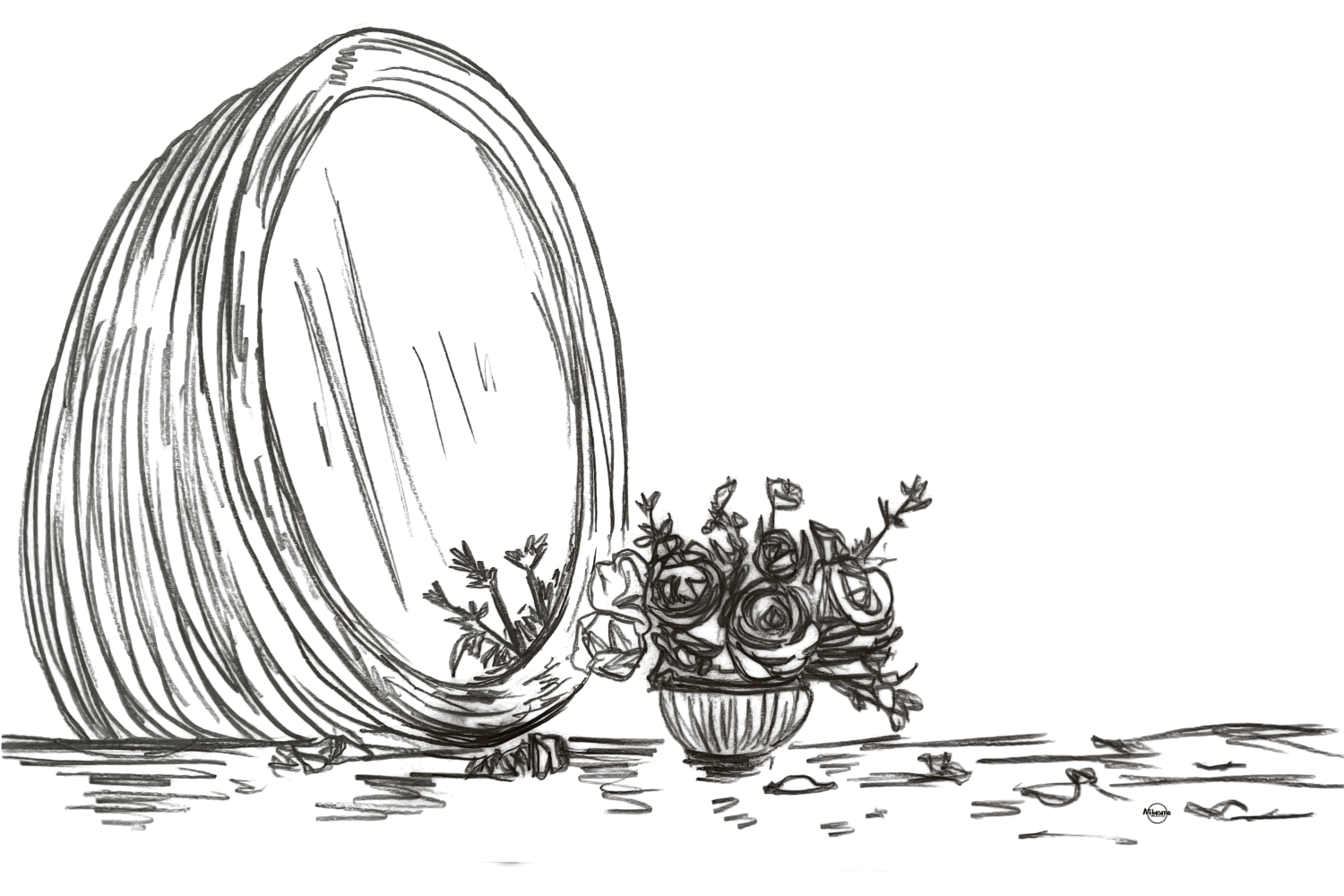
Beauty was never in the reflection.
It was in the one who stopped asking permission to exist.
Beauty That Doesn’t Need Validation
For years, I believed beauty was something that had to be confirmed.
Confirmed by a glance.
By a compliment.
By approval.
By silence that meant acceptance.
I did not realize how deeply my nervous system depended on those signals.
I thought I wanted admiration.
What I actually wanted was safety.
Understanding the difference changed everything.
Why We Seek Validation in the First Place
Human beings are biologically wired for connection.
From infancy, survival depends on attunement.
A caregiver’s gaze regulates the infant nervous system.
Tone of voice signals safety.
Facial expression communicates belonging.
This early relational wiring shapes how we experience validation later in life.
When approval equals safety, validation becomes neurological currency.
The body relaxes when we are accepted.
The body tightens when we are ignored.
Beauty becomes entangled with regulation.
The Nervous System and Social Approval
According to the Polyvagal Theory, the ventral vagal system activates when we feel socially safe.
Eye contact, warm tone, and affirming gestures calm the autonomic nervous system.
But when our sense of worth depends entirely on those cues, beauty becomes unstable.
If someone looks away, the body contracts.
If someone criticizes, the heart rate shifts.
If someone withholds validation, self-perception collapses.
This is not weakness.
It is physiology.
How External Validation Dysregulates the Body
When beauty depends on approval, the nervous system remains externally oriented.
It scans faces.
It reads tone.
It anticipates judgment.
This chronic vigilance activates the sympathetic nervous system.
Cortisol rises subtly.
Breathing shortens.
Posture tightens.
Beauty becomes performance.
And performance is exhausting.
The Mirror Is Not the Source
The mirror only reflects light.
It does not define value.
But when regulation depends on reflection, we confuse image with identity.
I used to check my face not to see myself — but to check whether I was acceptable.
The difference is enormous.
One is observation.
The other is negotiation.
Attachment Patterns and the Need to Be Seen
If early attachment was inconsistent, validation becomes unpredictable.
In anxious attachment, approval feels fragile.
In avoidant attachment, validation feels unsafe.
In both cases, beauty becomes relationally charged.
It becomes something we present instead of something we inhabit.
Regulation becomes outsourced.
Beauty That Doesn’t Need Validation Begins in Regulation
The shift did not begin with confidence.
It began with breath.
Slow exhalations.
Softening my jaw.
Letting my shoulders drop.
As internal regulation strengthens, beauty stabilizes.
Not because others agree.
But because the body is no longer negotiating survival.
Breath as Internal Validation
Long exhalations activate the parasympathetic nervous system.
This signals safety from the inside.
When I inhale for four and exhale for six, I am telling my body:
You are safe without applause.
This reduces dependency on external cues.
It returns regulation home.
Stress Narrows Identity
Under stress, the brain prioritizes threat detection.
This includes social threat.
Rejection activates similar neural pathways as physical pain.
This is why criticism can feel physically destabilizing.
Beauty tied to validation becomes vulnerable to every comment.
But when internal regulation strengthens, perception widens.
Identity expands beyond reaction.
The Science of Self-Compassion and Regulation
Research shows that self-compassion and mindfulness practices are associated with improved emotional regulation and reduced stress reactivity.
This enhances emotional resilience and supports nervous system flexibility.
A detailed overview of how contemplative practices influence emotional regulation can be explored here: Mindfulness practice leads to increases in regional brain gray matter density
When we respond to ourselves with warmth instead of criticism, stress hormones decrease.
The body relaxes.
Self-perception becomes steady.
Embodiment Changes the Experience of Beauty
Beauty that doesn’t need validation is not abstract.
It is embodied.
It lives in sensation.
When I walk, I feel my weight shift.
When I breathe, I feel air expand my ribs.
When I speak, I notice tone from inside.
This inward orientation reduces dependency on reaction.
From Performance to Presence
Validation-based beauty performs.
Regulated beauty participates.
Performance asks, “How do I look?”
Presence asks, “How do I feel?”
The second question creates depth.
How I Practice Beauty Without Validation
1. I Regulate Before Social Exposure
One slow breath before entering a room.
2. I Soften My Gaze
Soft vision reduces sympathetic activation.
3. I Feel My Feet
Grounding restores internal orientation.
4. I Notice Internal Language
I replace “Am I enough?” with “Am I present?”
These small practices stabilize identity.
Comparison as a Nervous System Trigger
Comparison activates subtle threat responses.
The body reads it as hierarchy.
Hierarchy triggers survival instincts.
Beauty becomes competitive.
I consciously disengage from comparative loops.
Regulation returns.
Beauty and Cortisol
Chronic validation-seeking elevates baseline stress.
When cortisol remains elevated, emotional flexibility decreases.
This reduces the ability to experience joy authentically.
Internal validation lowers physiological pressure.
Beauty becomes spacious instead of tense.
Neuroplasticity and Self-Perception
The brain rewires according to repeated experience.
If I repeatedly seek validation, neural pathways strengthen around dependency.
If I repeatedly regulate internally, pathways strengthen around stability.
Over time, beauty becomes less reactive.
Journaling as Internal Witnessing
Writing interrupts external orientation.
It shifts attention inward.The Self-Discovery Journal Prompts can support this shift gently.
When I describe myself without judgment, I feel grounded.
Beauty That Doesn’t Need Validation Even on Difficult Days
Beauty that doesn’t need validation is not fragile.
It remains when I am tired.
It remains when I am quiet.
It remains when no one notices.
Because it is not audience-dependent.
Vagal Tone and Social Regulation
Vagal tone refers to the strength and efficiency of the vagus nerve in regulating the autonomic nervous system.
Strong vagal tone supports:
- Emotional flexibility
- Calm eye contact
- Stable breathing patterns
- Resilience after stress
When beauty depends on validation, vagal tone becomes externally triggered.
Approval soothes.
Disapproval destabilizes.
But when regulation becomes internal, vagal tone strengthens independently of audience response.
Beauty becomes physiologically grounded.
Somatic Markers and Identity
Neuroscientist Antonio Damasio introduced the concept of somatic markers — bodily sensations that guide decision-making and perception.
When validation shapes identity, somatic markers become externally conditioned.
A compliment produces warmth.
A critique produces contraction.
Over time, these markers build a fragile self-image.
But when we repeatedly regulate ourselves before seeking approval, new somatic markers form.
Calm becomes familiar.
Presence becomes the reference point.
Beauty then feels stable — not because it is affirmed, but because it is embodied.
Memory Reconsolidation: Rewriting the Need for Validation
Many validation patterns are not conscious decisions.
They are encoded memories.
When early experiences paired approval with safety, the brain stored that association.
Neuroscience calls this memory reconsolidation — the process through which emotional memories can be updated when new experiences contradict old patterns.
If a child learned, “I am safe when I am praised,” that pattern becomes implicit.
But when an adult repeatedly experiences calm without approval, the memory updates.
The nervous system learns:
Safety is internal.
This is how beauty that doesn’t need validation becomes possible.
Interoception and the Insula Cortex
Interoception is the ability to sense internal bodily states.
It is processed largely in the insula cortex — the brain region associated with self-awareness and emotional integration.
When interoception is weak, identity depends heavily on external cues.
When interoception strengthens, perception shifts inward.
You feel your heartbeat.
You notice your breath.
You detect subtle muscular tension.
This internal sensing builds self-trust.
Beauty stabilizes because perception is anchored inside the body rather than outside in reflection.
How to Measure Regulation in Daily Life
Regulation is not abstract.
It is measurable in subtle ways.
1. Breathing Depth
Is your breath reaching your lower ribs, or staying in your chest?
2. Jaw and Shoulder Tension
Do you notice unconscious bracing during social interactions?
3. Recovery Speed
How quickly does your body return to baseline after criticism?
Trauma, Identity, and the Reconstruction of Self-Worth
When validation becomes survival, identity fragments.
Trauma imprints the nervous system with hypervigilance toward social cues.
But trauma-informed regulation practices — breathwork, grounding, embodied awareness — gradually reduce that vigilance.
The body learns safety without performance.
Self-worth becomes less reactive.
Beauty becomes less negotiable.
Final Integration
Beauty that doesn’t need validation is not louder.
It is steadier.
It is not sharper.
It is softer.
It does not demand reflection.
It inhabits the body.
When the nervous system regulates internally, identity stabilizes.
When identity stabilizes, beauty becomes independent.
Not because others stopped looking.
But because I stopped asking them to define what was already alive.
Beauty that doesn’t need validation is not a concept. It is a regulated state of being.
FAQ — Beauty and Validation
Is wanting validation unhealthy?
No. It is human. It becomes destabilizing only when it is the sole regulator.
Can this change attachment patterns?
Gradually, yes. Regulation reshapes relational responses.
Does this mean ignoring feedback?
No. It means separating feedback from identity.
How long does it take to feel stable?
Often minutes in breath. Months in integration.
Is this confidence?
It is deeper than confidence. It is regulation.