
Becoming Myself Is Not a Destination — It’s a Practice.
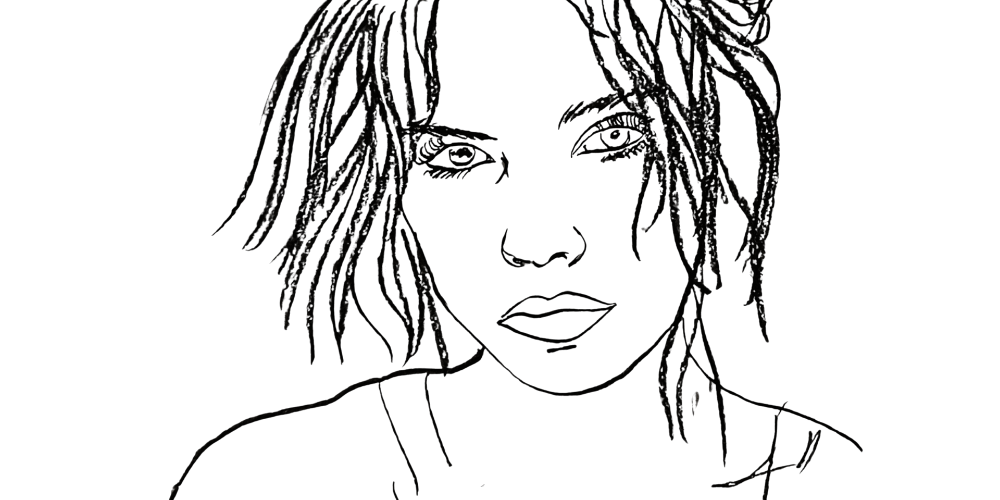
Written in a moment of stillness. Affirmation: “My quiet truth is enough.”
Quiet Truth – My Truth Doesn’t Need to Be Loud to Be Real
I used to believe truth had to be declared to be valid.
That if I didn’t explain myself clearly enough, defend my point strongly enough, or speak with enough confidence, my truth would disappear into the noise.
I thought being real required being loud.
But over time, I noticed something gentler—and far more honest:
the truths that changed my life were not dramatic.
They were quiet.
They lived inside me like a steady candle.
They didn’t demand attention.
They asked for presence.
Quiet truth is not a weak truth.
It is a truth that doesn’t need an audience to exist.
It is the kind of truth that doesn’t rush.
It doesn’t fight for space.
It doesn’t beg to be understood.
It simply stays.
And once I understood that, my relationship with myself softened.
I stopped forcing words when my body was asking for breath.
I stopped explaining when my nervous system was asking for safety.
I stopped proving when my heart was asking for rest.
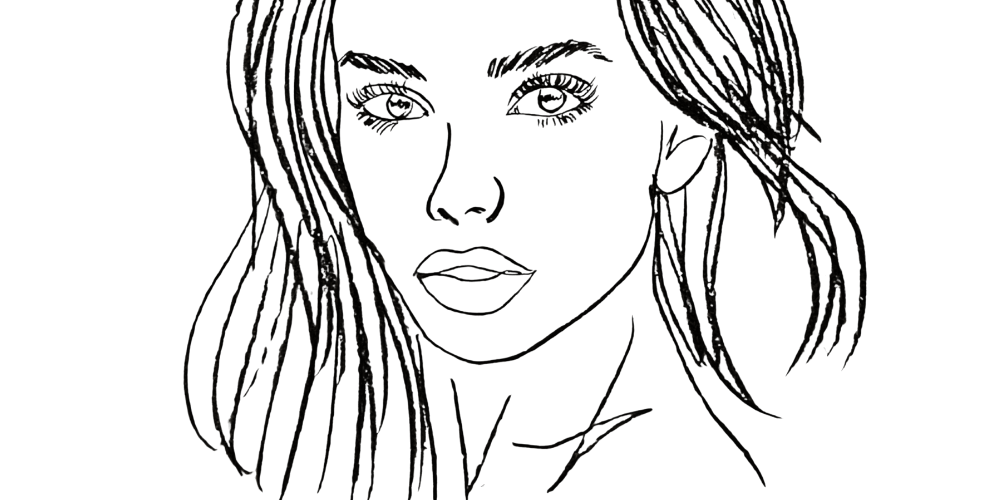
For a long time, I believed that truth needed to be proven, defended, or declared loudly in order to be taken seriously.
I thought silence meant weakness.
I thought pausing meant losing.
I thought not responding meant letting others “win.”
But the more I sit with myself, the more I understand that the power of truth doesn’t come from its volume.
Quiet truth is steady, unshakable, and real—even when no one else is listening.
In fact, sometimes the need to be loud is not the sign of truth.
Sometimes it is the sign of fear.
Fear of being misunderstood.
Fear of being dismissed.
Fear of not mattering unless you perform your certainty.
And the body participates in that fear.
When we feel threatened—socially, emotionally, relationally—our nervous system can shift into protection.
We speak faster.
We explain more.
We justify.
We repeat ourselves.
We try to control how we are perceived, because control feels like safety.
That’s why learning to honor quiet truth isn’t only a communication lesson.
It is a nervous system lesson.
Quiet Truth Is Stronger Than Noise
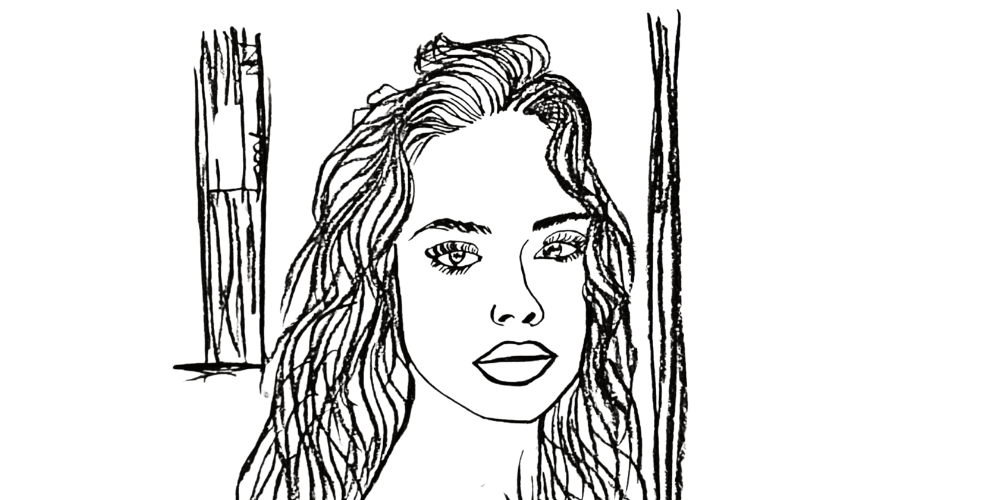
In a world where everyone is shouting to be heard, quiet truth can feel invisible.
But it isn’t.
Quiet truth speaks differently.
It speaks through consistency.
Through calm choices.
Through the way you live—not only through the words you say.
Noise can convince.
Quiet truth can transform.
I’ve noticed that the most grounded people don’t fight to prove they are grounded.
The most honest people don’t perform honesty.
The clearest people don’t rush to be understood by everyone.
They let their truth become visible through time.
Through the way they return to themselves.
Through the way their body relaxes when they stop pretending.
Quiet truth is not passive.
It is contained.
It is regulated.
It is the difference between speaking from a storm and speaking from a center.
“Quiet truth doesn’t ask to be believed — it simply is.”
Quiet Truth, Breath, and the Nervous System
One of the most practical things I learned is this:
my voice changes when my nervous system changes.
When my body feels unsafe, I can feel it in my breathing.
The breath becomes shallow.
The exhale shortens.
My chest tightens slightly.
I start speaking from tension instead of from clarity.
And that is often when I feel the urge to be loud—not necessarily in volume, but in energy.
To push my point.
To explain quickly.
To make sure I’m not misunderstood.
So I started practicing something simple:
I don’t reach for words first.
I reach for breath.
I pause.
I soften my jaw.
I lengthen the exhale just a little.
Not as a performance of calm—just as a private signal to my nervous system:
I’m here. I’m safe enough to be real.
This one small action changes everything.
It gives my truth a place to land.
It moves me out of reaction and into presence.
Quiet truth is often the truth that arrives after the exhale.
Quiet Truth Is Not Silence as Self-Erasure
There is an important nuance here.
Quiet truth is not the same as disappearing.
Many of us learned silence as a survival tactic:
staying quiet to avoid conflict,
staying quiet to avoid judgment,
staying quiet to keep love.
That kind of silence hurts.
It leaves the body holding words that were never allowed to exist.
Quiet truth is different.
Quiet truth is chosen.
It is the quiet that comes from knowing you do not need to perform your reality for it to be real.
Quiet truth is a form of self-respect.
Not self-erasure.
How I Practice My Quiet Truth
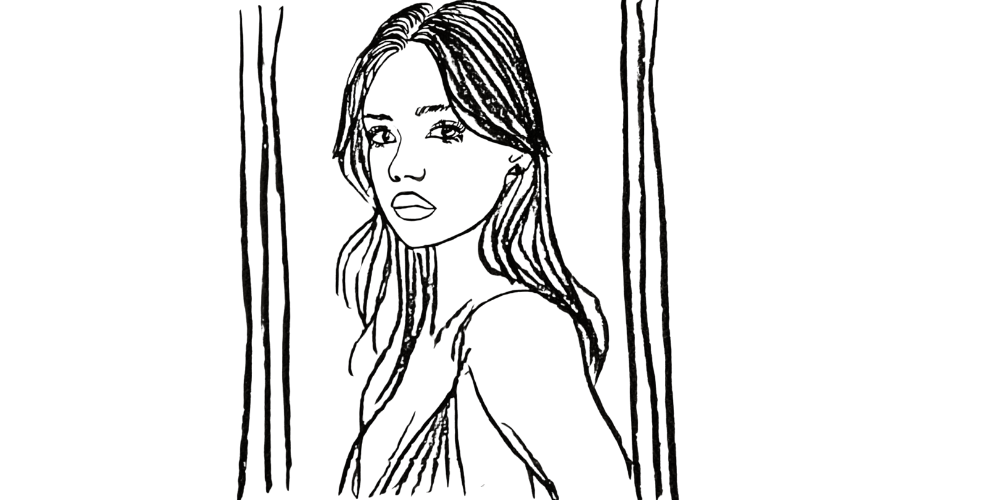
Practicing quiet truth doesn’t mean I never speak.
It means I speak from alignment instead of from urgency.
Here are the ways I practice it—simple, human, real:
1) I don’t respond right away.
If my body feels activated, I wait.
I let the nervous system settle before I decide what I truly want to say.
Not because I’m avoiding truth—but because truth speaks clearer when I’m regulated.
2) I stop over-explaining.
Over-explaining often comes from fear.
Quiet truth doesn’t need twenty sentences to deserve respect.
Sometimes one sentence is enough:
“That doesn’t work for me.”
“I need time.”
“I’m not available for that.”
3) I notice the body before I choose my words.
Am I holding my breath?
Am I tight in my shoulders?
Am I speaking to be understood—or speaking to be safe?
This awareness changes the tone of everything I say.
4) I let my actions carry my truth.
Sometimes I don’t need to convince anyone.
I simply live the decision.
I show up differently.
I choose differently.
I protect my peace without announcing it.
5) I accept that not everyone will “get it.”
This one is tender.
But it’s real.
Quiet truth stops trying to win understanding from every direction.
It chooses integrity over approval.
My quiet truth stays alive through practice, not performance.
It’s felt in how I move through my days.
It’s felt in how I soften instead of bracing.
It’s felt in how I choose peace without disappearing.
When Quiet Truth Becomes a Boundary
Sometimes my truth is not a speech.
It is a boundary.
The boundary might look like leaving a conversation earlier.
Not answering a message immediately.
Not justifying my needs.
Ending the loop of “I hope they understand.”
Quiet truth can be the calm decision to stop negotiating myself.
And the body often feels relief when that decision is made.
Breath deepens.
The belly softens.
The mind becomes quieter.
Not because life becomes perfect—but because the inner conflict ends.
Journal Prompt: Naming Your Quiet Truth
In your journal, write:
“One truth I no longer need to prove out loud is…”
Then add gently:
“What does my body feel like when I stop proving?”
“What becomes possible when I let truth be quiet?”
“Where do I still raise my voice—because my nervous system feels unsafe?”
To support this reflection, see my Self-Discovery Journal Prompts,designed to help you return to what feels real and authentic.
If you want to deepen this reflection, explore this resource from Mindful — What Is Mindfulness? —a reminder that awareness and truth don’t require loudness, only presence.
For another grounded perspective on living with authenticity and values (without needing to “perform” them), you can also explore:Greater Good (UC Berkeley) — How to Be More Authentic.
My truth doesn’t need to be loud to be real.
It lives quietly inside me—steady and whole.
Quiet truth is powerful.
And it is enough.