
Between Feelings
A quiet space to recognize the emotions we feel — but don’t always know how to name.
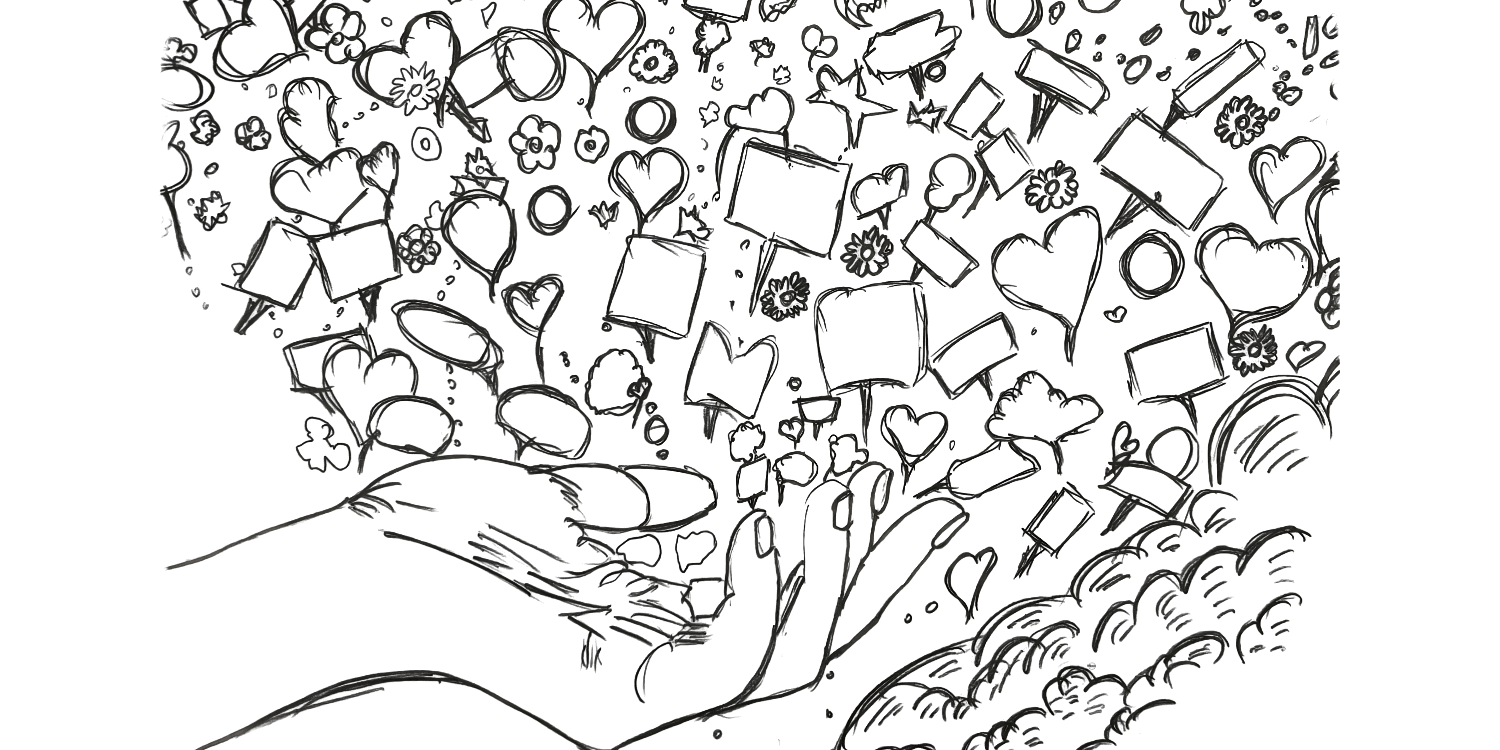
Sometimes something happens inside us — not loud enough to be called a problem, not clear enough to be named. We feel a shift. A weight. A fog. A strange calm that isn’t peace. And we start asking the same quiet questions: Is this normal? What is this? Why can’t I explain it?
This page isn’t here to diagnose you or label you. It’s here to offer a gentle map — a few possible “inner states” many humans experience, often in silence. You might recognize yourself in one. Or in several. That’s normal too.
Soft reminder
This page is reflective and educational, not medical advice. If your feelings are intense, persistent,
or keep you from living your life, you deserve real support from someone qualified and safe.
How to use this page
You don’t need the perfect word. Just choose what feels familiar. This page is built to help you move from “something is wrong” to “I understand what might be happening.”
- Pick one sentence that feels close (even if it’s not exact).
- Read the family that matches it — it explains the state gently and clearly.
- Try one small step (a journal line, a breath, a simplification).
- Come back later if you need — some feelings need more than one read.
🔎 Find the state that feels closest
You don’t need the perfect word. Just choose the sentence that feels familiar. Each one will bring you to a “family” of feelings — and a softer explanation.
Feeling heavy without a reason
Like carrying something invisible, without a clear story.
Feeling empty, but still functioning
You’re doing life — but it doesn’t land inside you.
Feeling lost even when everything looks fine
Nothing is “wrong”… and yet you can’t settle.
Feeling overwhelmed by small things
Your system feels full. Even little tasks feel loud.
Feeling disconnected from yourself
Present in your head, distant in your body.
Feeling tired in a way sleep doesn’t fix
Rest happens — but it doesn’t reach you.
Feeling “off” without knowing why
A quiet inner weather shift you can’t explain.
Feeling irritated without wanting to be
Everything feels sharp. You feel “too sensitive.”
Feeling unsure of what you want anymore
Your inner compass feels silent.
Feeling numb, but not cold
Muted feelings, muted colors — like a dimmer switch.
Feeling like you’re performing your life
Doing the right things, feeling far from them.
Feeling tired of being strong
Not a collapse. A quiet “I can’t hold this alone.”
These families are not diagnoses. They’re human patterns — ways your body, mind, and nervous system try to carry what hasn’t been processed yet.
If one family feels close, start there. You can always return and explore another later.
🌫️ When something feels heavy — without a clear reason
Not every “heavy” feeling is sadness. Sometimes it’s a quiet pressure, a slow inner weather, a weight with no story attached — and that’s exactly why it’s hard to explain.
What this can be (gently)
Sometimes heaviness is your nervous system saying: “I’ve been holding too much for too long.”
It can come from constant self-control, unspoken emotion, subtle grief, social pressure, or long periods
of “being fine” while your body quietly stores what your mind didn’t have time to process.
This doesn’t automatically mean something is wrong with you. It may simply mean there is something inside you
that deserves attention — not judgment.
What helps (small, real)
Start by reducing pressure, not by forcing clarity. Try one slower exhale, one honest sentence, or one tiny task removed.
If the heaviness has a message, it often appears after you stop fighting it.
- Feeling heavy without knowing why
- Feeling emotionally low, but not sad
- Feeling a quiet pressure in the chest
- Feeling weighed down by nothing specific
- Feeling slowed down, even when life is calm
- Feeling like carrying something invisible
- Feeling tender and sensitive for no clear reason
- Feeling “off” in a way you can’t describe
- Feeling restless, but also too tired to move
- Feeling like you need to cry, but can’t
- Feeling strangely emotional after small interactions
- Feeling like your body is holding a memory
“If you can’t name it yet, that doesn’t mean it isn’t real.”
Journal prompt
Write one sentence: “The weight I’m carrying feels like…” Then stop. Let that be enough today.
🕳️ When something feels empty — but you keep functioning
This can look “fine” from the outside. You’re doing what needs to be done — but inside, the colors feel muted. The hardest part is often the doubt: “Should I even feel like this?”
What this can be (gently)
Emptiness doesn’t always mean you don’t care. Sometimes it means your system is conserving energy.
When you’ve been in survival mode for a while, emotions can become quieter — not because they disappeared,
but because your body is trying to protect you from overload. It can also happen after disappointments,
long periods of effort, or emotional over-giving. The goal here isn’t to force joy back.
The first step is simply to notice what feels muted — without shaming yourself for it.
What helps (small, real)
Don’t chase big emotion. Return to sensation. One textured object. One warm drink. One song. One tiny moment that still feels real.
Emptiness often softens when the body feels safe enough to feel again.
- Feeling empty, but still functioning
- Feeling emotionally flat
- Feeling numb in a gentle way
- Feeling disconnected from joy
- Feeling neutral about everything
- Feeling like nothing “lands” inside you
- Feeling present, but not really there
- Feeling like you’re living on autopilot
- Feeling like you don’t miss things the way you used to
- Feeling like your inner world is quiet — but not peaceful
- Feeling like your emotions are “paused”
- Feeling like your days pass without texture
“Functioning is not the same as feeling alive — and you’re allowed to notice the difference.”
Gentle check-in
What still feels real lately — even a little? A smell, a song, a place, a tiny moment?
🧭 When everything looks fine — but you feel lost
Sometimes stability doesn’t feel like safety. Sometimes “good” doesn’t feel like “right.” This is the in-between: life seems okay… and yet something inside you can’t settle.
What this can be (gently)
Feeling lost isn’t always confusion. Sometimes it’s a quiet sign of growth.
You may be outgrowing old definitions of success, love, routines, or identity.
Your outer life might still look “correct,” while your inner life is asking for a truer alignment.
This can feel unsettling — because the old map no longer works, but the new one hasn’t appeared yet.
In many cases, lostness is not a failure. It’s a transition.
What helps (small, real)
Stop forcing certainty. Choose one honest thing you already know: what doesn’t feel true anymore.
Lostness becomes softer when you allow yourself to be between maps.
- Feeling lost even when everything looks fine
- Feeling out of place in your own life
- Feeling like your rhythm doesn’t match your days
- Feeling unsure of what you want anymore
- Feeling like something is missing, but you can’t name it
- Feeling emotionally “behind” your own life
- Feeling like you’ve outgrown something quietly
- Feeling guilty for not feeling grateful enough
- Feeling like your inner compass is silent
- Feeling like you’re waiting — but not sure for what
- Feeling like you don’t belong where you used to belong
- Feeling like you’re not living from the inside
“Not knowing what you want is often a sign you’re finally listening.”
Journal prompt
Where do you feel most like yourself lately — and where do you feel the most “away” from yourself?
🌪️ When small things feel too big
Overwhelm isn’t always about drama. Sometimes it’s accumulation: too many tabs open inside your mind. Your system isn’t “weak” — it may simply be asking for less.
What this can be (gently)
Overwhelm often happens when your nervous system has been “on” for too long.
Even if nothing terrible is happening, constant alerts — noise, screens, decisions, social pressure,
unfinished tasks — can keep your body in a state of tension. Then, small things feel huge.
This is not laziness. It’s capacity. And capacity can return when the load becomes lighter.
Sometimes the first relief comes from removing one small demand — not from fixing your whole life.
What helps (small, real)
Reduce the noise. One tab closed. One choice delayed. One tiny task done slowly.
Overwhelm often improves through simplification, not self-pressure.
- Feeling overwhelmed by small things
- Feeling overstimulated easily
- Feeling irritated without wanting to be
- Feeling like everything requires too much effort
- Feeling tired of deciding
- Feeling mentally crowded
- Feeling like you can’t think clearly
- Feeling like you need silence but can’t access it
- Feeling rushed even when no one is rushing you
- Feeling like your inner “volume” is too high
- Feeling like you can’t prioritize anything
- Feeling guilty for needing space
“Sometimes the most caring thing you can do is reduce the noise.”
One small question
What would feel 5% lighter today? (Not perfect. Not fixed. Just 5%.)
🔌 When you feel disconnected from yourself
Disconnection can be protective — a way your system tries to keep you going. The goal isn’t to force feelings back. It’s to return gently, in small signals.
What this can be (gently)
Disconnection is often misunderstood. Many people think: “I should feel more.”
But sometimes your mind and body create distance because closeness feels like too much.
You might be carrying old stress, long-term pressure, or emotional fatigue, and your system chooses numbness
as a form of safety. The path back usually isn’t intense self-analysis.
It’s small contact: breath, body sensations, honest naming, slower pace, safe boundaries.
You return to yourself like you would return to someone you love — gently.
What helps (small, real)
Come back through the body: notice temperature, posture, breath, pressure points.
Reconnection often starts with sensation, not with explanations.
- Feeling disconnected from yourself
- Feeling like you’re observing your life from outside
- Feeling distant from your own reactions
- Feeling numb in your body
- Feeling like you don’t recognize yourself lately
- Feeling like your emotions are “behind glass”
- Feeling present in your head, absent in your body
- Feeling like you’re performing your life
- Feeling like you can’t access tenderness
- Feeling like you’re not fully “here”
- Feeling like you can’t relax even when safe
- Feeling like your body is bracing for something
“Coming back to yourself doesn’t have to be dramatic. It can be one breath, one sensation, one honest sentence.”
Grounding prompt
What does your body notice right now? (temperature, tension, softness, breath, posture)
🌙 When sleep doesn’t fix the tiredness
Some fatigue is physical. Some is emotional. Some is the cost of holding everything together quietly. If rest doesn’t reach you, it doesn’t mean you’re failing — it may mean you’ve been carrying too much alone.
What this can be (gently)
There is a kind of tiredness that isn’t solved by one good night of sleep.
It happens when your system never fully relaxes — when you are always adapting, anticipating,
holding responsibility, or trying to be “strong” in silence. Your body can rest,
but your nervous system stays alert. In that case, recovery often comes from safety and simplicity:
fewer demands, more honest pacing, and moments where you don’t have to prove anything.
What helps (small, real)
Rest that works is not only sleep. It’s also relief: fewer expectations, slower pace, more permission.
Start by removing one “should” today.
- Feeling tired in a way sleep doesn’t fix
- Feeling emotionally exhausted
- Feeling drained without doing much
- Feeling worn out from inside
- Feeling like rest doesn’t reach you
- Feeling low-energy even after resting
- Feeling “done” with everything, quietly
- Feeling like your motivation is missing
- Feeling like you’re moving through thick air
- Feeling tired of being strong
- Feeling like you need a pause you can’t take
- Feeling like your nervous system is always “on”
“You don’t need a better personality. You might need a softer pace.”
Gentle permission
If you could stop proving anything for one day, what would you do differently?
❓FAQ — A few gentle clarifications
This page is a mirror, not a label. Here are a few questions readers often ask when feelings feel unclear.
Is it normal to feel this without a clear reason?
Yes. Many inner states are not “caused” by one event. Sometimes it’s accumulation, nervous system fatigue, subtle grief, or a need that has been ignored for too long.
Does recognizing a feeling make it worse?
Often, recognition makes it gentler over time. Not instantly — but it reduces the inner fight. Naming is not forcing. It’s allowing.
Is this depression / anxiety?
This page doesn’t diagnose. If your state is intense, persistent, or affects sleep, appetite, work, or relationships, it’s a strong sign you deserve professional support.
What should I do first if I relate to several states?
Choose the one that feels the most “present today.” Then do one small thing: one sentence in your journal, one slower breath, one honest boundary, one reduction of noise.
If you recognized yourself here, you don’t need to rush into answers. Recognition is already a form of care. You can take one state at a time — or simply keep this page as a mirror you return to when words feel far away.
Go to Moments
Start gently with: Self-Discovery Journal Prompts •
Or join: Newsletter