
When People Ignore Your Pain: How to Cope, Heal, and Grow Stronger
When people ignore your pain, it doesn’t just hurt.
It unsettles something deep inside you.
Not because you expect others to rescue you — but because being seen, emotionally, is a basic human need.
When your suffering is met with distance, jokes, silence, discomfort, or indifference, the pain often becomes heavier than what you were already carrying.
Because now, you are not only hurting.
You are hurting alone.
This article is here to sit with that experience.
To give words to what is often confusing.
To explain why it hurts so much.
And to show you how this wound — as painful as it is — can become a place of clarity, strength, and emotional maturity.
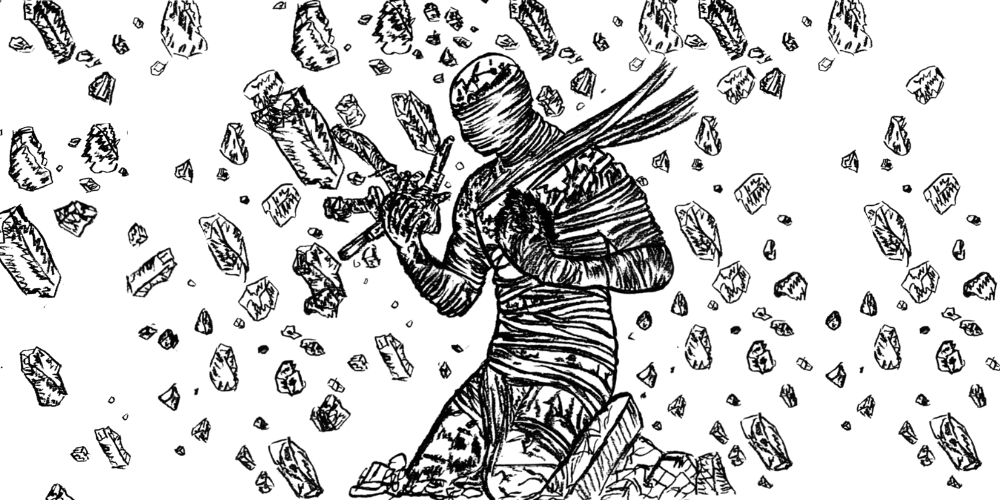
What It Feels Like When People Ignore Your Pain
You didn’t ask for much.
You didn’t need solutions.
You didn’t demand attention.
You only hoped someone would notice.
Stay.
Acknowledge.
Care.
And instead, you were met with distance.
Short answers.
Changed subjects.
Busy schedules.
Or emotional absence.
This experience often creates a very specific type of suffering.
Not dramatic.
Not visible.
But deeply destabilizing.
Because when people ignore your pain, the nervous system does not hear:
“They don’t know how to help.”
It often hears:
“I am alone.”
“I don’t matter.”
“I am too much.”
“I am invisible.”
This is why the pain lingers.
It is not only about the situation.
It becomes about identity.
About worth.
About belonging.
Why This Wound Goes So Deep
From the moment we are born, emotional recognition is tied to survival.
Being seen meant being protected.
Being heard meant being cared for.
Being responded to meant safety.
When pain is ignored, the nervous system does not treat it as a social inconvenience.
It often registers it as emotional abandonment.
This is why the reaction can feel disproportionate.
Why you might cry unexpectedly.
Withdraw.
Ruminate.
Feel shame.
Or question yourself constantly.
Your system is not weak.
It is wired for connection.
And when connection disappears at the exact moment you need it, something very old in the body wakes up.
Why It Hurts Even More When It Comes From Those Closest
Strangers can disappoint us.
But when people we love, trust, or emotionally invest in ignore our pain, the wound is different.
Because these are the people who saw our softness.
Who leaned on us.
Who benefited from our presence.
Their absence doesn’t only hurt.
It confuses.
You may start asking yourself:
- “Did I ask for too much?”
- “Am I a burden?”
- “Was my care one-sided?”
- “Is there something wrong with me?”
This is where pain becomes internalized.
Instead of remaining about the situation, it slowly turns into a story about who you are.
And this is the most damaging part.
Not what they didn’t give.
But what their absence makes you believe.
The Psychological Reality: Why Many People Don’t Show Up
Many people were never taught how to stay present with pain.
They learned how to distract, fix, joke, minimize, escape, or intellectualize.
When they encounter vulnerability, their own nervous system becomes uncomfortable.
So they pull away.
Not always consciously.
Not always cruelly.
But instinctively.
Sometimes they disappear because your pain mirrors something unresolved in them.
Sometimes because they feel powerless.
Sometimes because they were never emotionally held themselves.
Understanding this doesn’t erase the hurt.
But it protects you from turning it into self-blame.
What Being Ignored Often Creates Inside
When emotional pain is not witnessed, it rarely dissolves.
It usually turns into:
- overthinking
- emotional withdrawal
- hyper-independence
- people-pleasing
- difficulty trusting
- difficulty asking for help
The system learns: “I must carry this alone.”
And slowly, connection becomes something you offer — but no longer expect.
Coach’s Perspective: How to Respond When You Feel Ignored
As a life coach, I’ve sat with many people who whispered the same sentence:
“Why didn’t they show up for me?”
There is rarely a simple answer.
But there is one essential truth:
their absence is not your failure.
Here are gentle directions that help transform this wound instead of letting it harden you:
- Pause before reacting: pain wants immediate meaning. Give your nervous system time before confronting or concluding.
- Let the emotion move: cry, write, speak, walk, breathe. Pain needs circulation.
- Name what hurt: clarity reduces inner confusion. You were impacted. That matters.
- Redirect loyalty: begin offering yourself the care you instinctively give others.
- Choose emotional safety: not everyone deserves access to your inner world.
If you need a gentle way to reconnect with yourself during this phase, you can use my
free self-reflection tools
to explore what this experience awakened in you.
How Ignored Pain Can Become a Turning Point
As painful as it is, being ignored often reveals something essential.
It shows you where emotional capacity lives.
Where it doesn’t.
Where you over-gave.
Where you stayed silent.
Where you hoped instead of asking.
This moment can quietly redirect your life.
Not into bitterness.
But into discernment.
It invites you to build relationships that include emotional presence.
To learn to ask clearly.
To stop explaining your depth to shallow spaces.
Ignored pain can either close you —
or clarify you.
Why Boundaries Are Part of Emotional Healing
Boundaries are not walls.
They are nervous-system agreements.
They decide:
who you open to,
how much you give,
when you rest,
what you protect.
Setting boundaries after being ignored is not punishment.
It is self-respect.
It means you no longer offer your deepest parts to those who cannot meet them.
It means you begin standing beside yourself the way you once stood beside everyone else.
Final Reflection
When people ignore your pain, it does not mean you are invisible.
It often means you were visible in spaces that were emotionally blind.
It does not mean you are too much.
It often means you have been giving without protection.
Your emotions are not weaknesses.
They are signals of depth.
Your story matters.
Your pain matters.
You do not need everyone to understand you —
only those who are capable of presence.
Sometimes healing begins the moment you stop asking why they didn’t stay —
and start staying with yourself.
To explore more deeply **why social rejection and being ignored hurt so much** — not just emotionally, but neurologically —
see this article on how the brain responds to social exclusion and emotional pain:
Health Warning: Social Rejection Doesn’t Only Hurt — It Kills
Research shows that the brain often processes social pain similarly to physical pain, which is one reason emotional neglect feels so real.