
Choosing Clarity Over Attachment
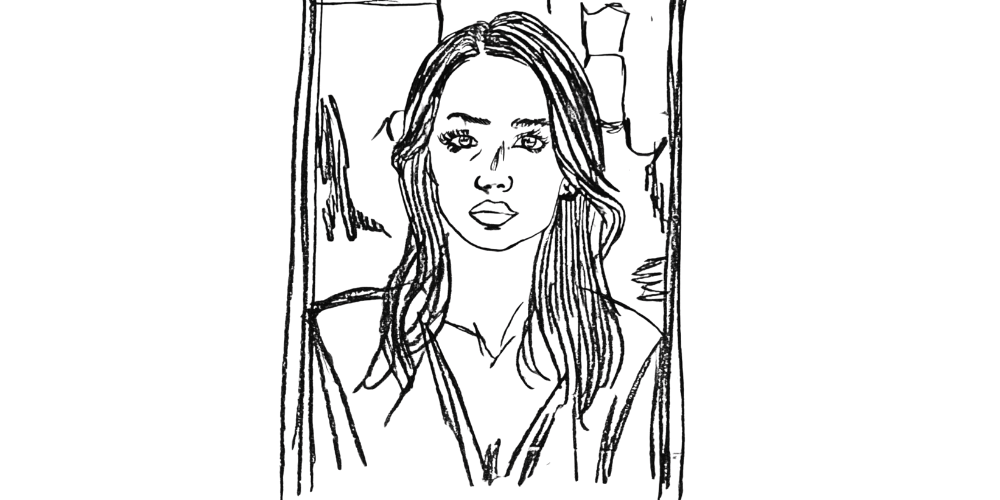
Written after realising that truth feels lighter than clinging. This piece is about choosing clarity over attachment — seeing what is and releasing with love. Affirmation: “I choose clarity over attachment.”
Choosing Clarity Over Attachment
There’s a quiet moment in every ending when you see something clearly—and realise it no longer fits the shape of your life.
Not because it became “bad,” but because you became more honest.
And honesty has a way of changing the room you can breathe in.
Sometimes we stay, not because it’s right, but because we’re attached to the comfort of what we know.
We stay because leaving feels like stepping into air with no floor.
We stay because we confuse familiarity with safety.
Choosing clarity over attachment means looking at the truth, even when it invites change,
and trusting that release can be an act of self-respect rather than loss.
For me, this choice often begins with a question:
“If I saw this for the first time today, would I still choose it?”
That question has ended relationships, shifted habits, and freed me from commitments that no longer matched who I was becoming.
Clarity is not always dramatic.
It’s often quiet.
It arrives as a soft discomfort in the body.
A tightening in the chest when you say yes.
A heaviness in the shoulders when you pretend you don’t mind.
A tiredness that doesn’t go away—even after rest.
Sometimes clarity is simply the moment your nervous system stops cooperating with denial.
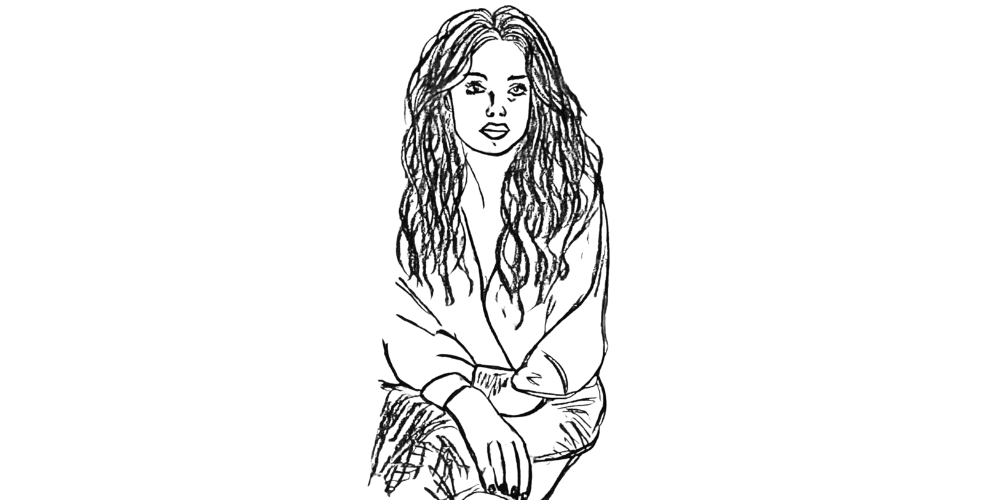
There was a version of me who thought attachment was proof of love.
The longer I held on, the more loyal I believed I was.
The more I endured, the more “good” I thought I was being.
But attachment can look like love while quietly becoming self-abandonment.
Especially when we stay in a place that repeatedly asks us to shrink, to silence ourselves, or to betray our own needs.
I’ve learned that clarity is not cold.
Clarity is kindness with a backbone.
It doesn’t scream.
It doesn’t beg.
It simply tells the truth—and keeps telling it, gently, until you listen.
When Seeing the Truth Feels Harder Than Letting Go
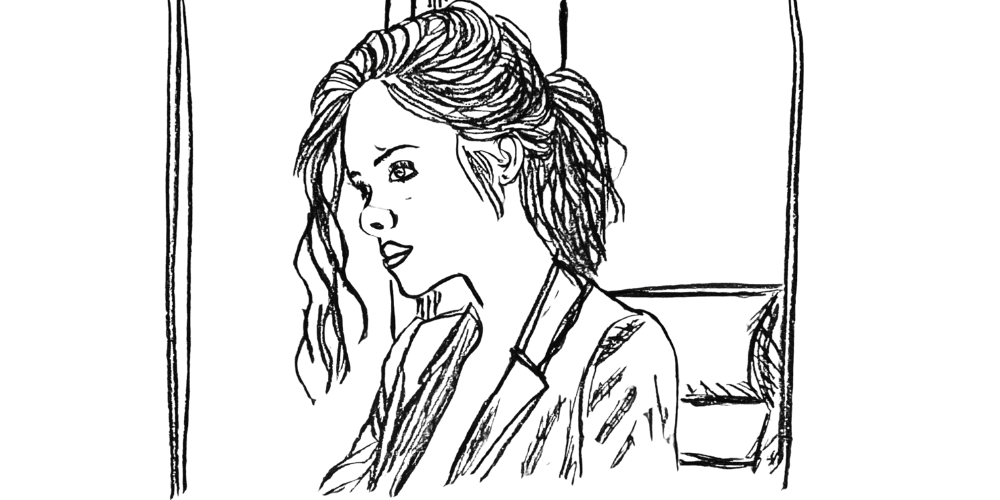
Attachment can be disguised as loyalty, patience, or even love.
But if we’re honest, sometimes it’s just fear of what will happen when we let go.
Fear of emptiness.
Fear of regret.
Fear of being alone with ourselves.
Fear of the identity we lose when the story changes.
The mind hates uncertainty, and attachment is often an attempt to avoid it.
We cling to what is familiar because it feels predictable.
Even when it hurts.
And the body knows this.
It knows when you’re staying in something that costs you energy.
You may notice stress symptoms that don’t make sense on the surface:
tension headaches,
shallow breathing,
stomach tightness,
jaw clenching,
difficulty sleeping,
a constant low-level fatigue.
This is not “weakness.”
This is the nervous system trying to protect you.
Clarity doesn’t mean rushing into change.
It means standing still long enough to see the truth,
even if that truth asks us to loosen our grip.
“The truth will set you free, but first it might empty your hands.”
How the Breath Helps You Choose Clarity Over Attachment
For me, breath is often the first doorway into clarity.
Not because breathing “fixes” the situation,
but because it brings me back to the body—where truth is harder to fake.
Attachment is usually loud in the mind:
“Maybe it will change.”
“Maybe I’m asking for too much.”
“Maybe I should try harder.”
“Maybe I’m the problem.”
Clarity is often quieter.
It lives in sensation.
It sounds like: this doesn’t feel safe.
This doesn’t feel mutual.
This doesn’t feel honest anymore.
When I inhale deeply and exhale slowly, I give my nervous system a signal:
we are allowed to be here without forcing a decision today.
A longer exhale softens the urgency.
And when urgency softens, truth becomes easier to hear.
I like to ask myself a body-based question:
“When I imagine staying, what happens in my chest?”
“When I imagine releasing, what happens in my breath?”
Often, the body answers before the mind accepts it.
Living in Clarity — Choosing Clarity Over Attachment
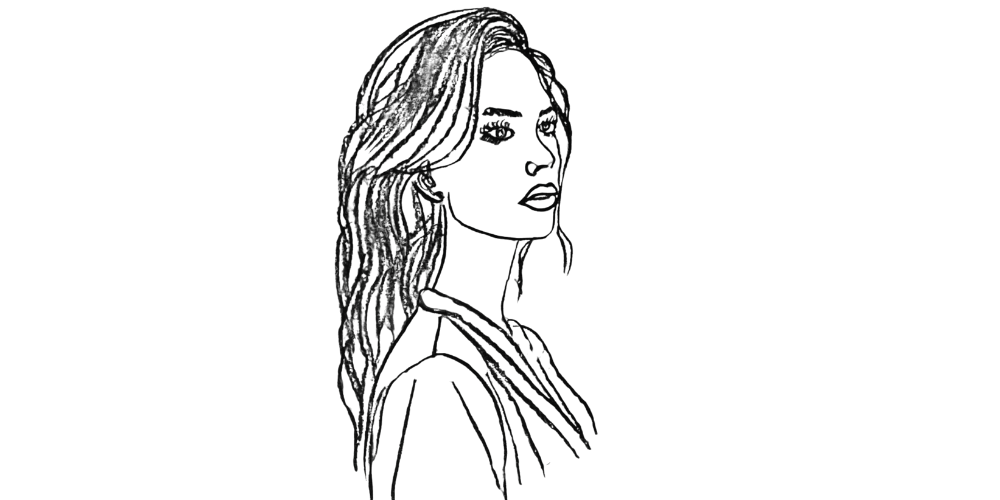
When I choose clarity over attachment, I remind myself that I can release with kindness.
Letting go doesn’t mean erasing memories or rejecting what was good.
It means keeping what nourished me while allowing the rest to move on.
It’s the difference between honoring and holding.
I can honor what a chapter gave me without forcing it to become my whole book.
Clarity invites a certain maturity in love:
love that doesn’t cling,
love that doesn’t bargain,
love that doesn’t confuse endurance with devotion.
This keeps my heart open without trapping it in old rooms.
It lets me grieve without collapsing.
It lets me remember without returning.
If you’d like to explore how boundaries and clarity work together, you can also read my article When I Say No, I Say Yes to Myself,which pairs beautifully with this reflection.
Choosing Clarity Over Attachment in Daily Life
This practice isn’t only for big endings.
Most of the time, it happens in small moments:
When you stop replying instantly just to keep someone comfortable.
When you admit to yourself that a routine drains you.
When you notice you’re chasing breadcrumbs of attention.
When you stop romanticizing someone’s potential and look at their patterns.
When you choose rest over proving.
Clarity is not one dramatic decision.
It’s a series of small truths you stop negotiating with.
And yes—clarity can hurt at first.
Because it removes the fantasy that kept you hopeful.
But later, it feels like relief.
Like space.
Like breathing again.
When Attachment Is Actually a Stress Response
Sometimes we think we’re “attached” because we love deeply.
But sometimes we’re attached because our nervous system is activated.
When the body is stressed, it craves certainty.
It craves closeness.
It craves a promise that things will be okay.
And if a person, habit, or situation becomes our main source of reassurance,
we can cling—even when it’s harming us.
This is why clarity needs gentleness.
Because if you try to force release while your nervous system is panicking,
you may run back to attachment just to calm the fear.
So I practice release slowly:
with breath,
with support,
with small boundaries,
with honest journaling,
with patience for the part of me that is afraid.
Journal Prompt: Seeing Without Holding
In your journal, write about a situation where you might be holding on more out of habit than alignment.
Ask yourself:
“If I let this go, what space could open up for me?”
Then add a body question:
“When I imagine releasing, what softens in me?”
“When I imagine staying, what tightens?”
You might be surprised by the honesty of your own nervous system.For guidance, my Self-Discovery Journal Prompts include exercises for identifying and releasing attachments—gently, without self-violence.
For further insight, I recommend this thoughtful read from Mindful — Inner Calm: The Key is Letting Go — which explores how releasing attachments fosters clarity and deep inner calm.
Choosing clarity over attachment is not about cold detachment.
It’s about trusting that the truth, however quiet, will always guide you toward the life that fits you best.