
Confidence Is Quiet — But I Feel It Now.
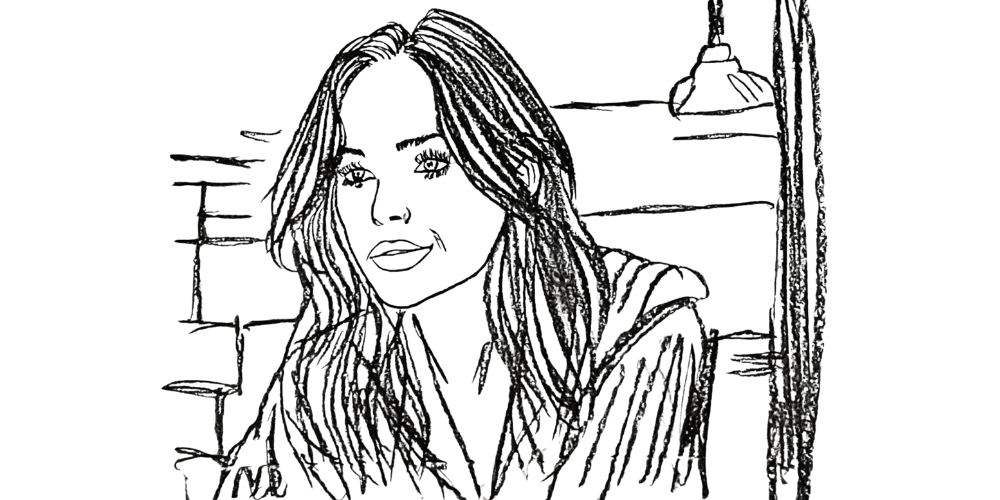
Written on a morning when my hands felt calm without needing to prove anything. Affirmation: “I trust the quiet strength inside me.”
Confidence Is Quiet — But I Feel It Now
I used to think confidence was a performance—something you could “show” to the world like an outfit you wear.
A voice that fills the room. A certainty that never pauses. A person who always knows what to say, what to do, where to go.
And because I didn’t feel like that, I assumed I lacked confidence.
I mistook softness for insecurity.
I mistook sensitivity for fragility.
I mistook thoughtful pauses for weakness.
But the older I get—and the more I return to myself—the more I understand something simple:
the truest confidence doesn’t feel loud inside.
It feels steady.
Quiet confidence is the moment your body relaxes in its own presence.
It’s the moment you stop forcing your personality to be “acceptable.”
It’s the moment you can hear your own yes and no without apologizing for them.
I’m not louder than I used to be.
I’m just less divided.
And that changes everything.
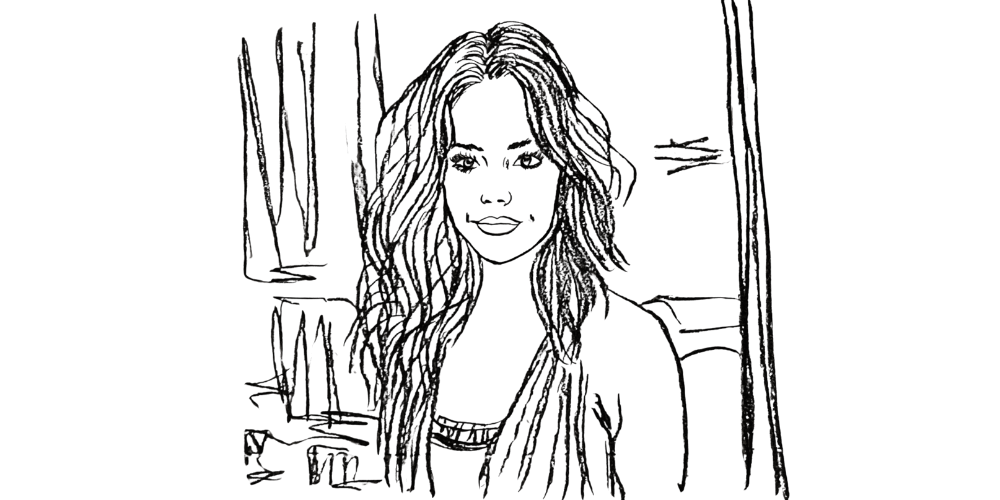
For years, I chased confidence the way some people chase validation.
I wanted to feel “certain” so I could finally relax.
I thought I needed to remove doubt before I could take up space.
But doubt isn’t always the enemy.
Sometimes doubt is simply the nervous system asking for safety before it moves.
And sometimes the absence of doubt is not confidence—it’s disconnection.
What changed my relationship with confidence was not a bold decision.
It was a quieter realization:
confidence is not a mood.
It is a relationship.
A relationship between my body and my choices.
Between my nervous system and my promises.
Between my inner voice and my daily actions.
Quiet confidence grew when I stopped asking, “Do I look confident?”
and started asking, “Do I feel safe enough to be real?”
What Quiet Confidence Feels Like
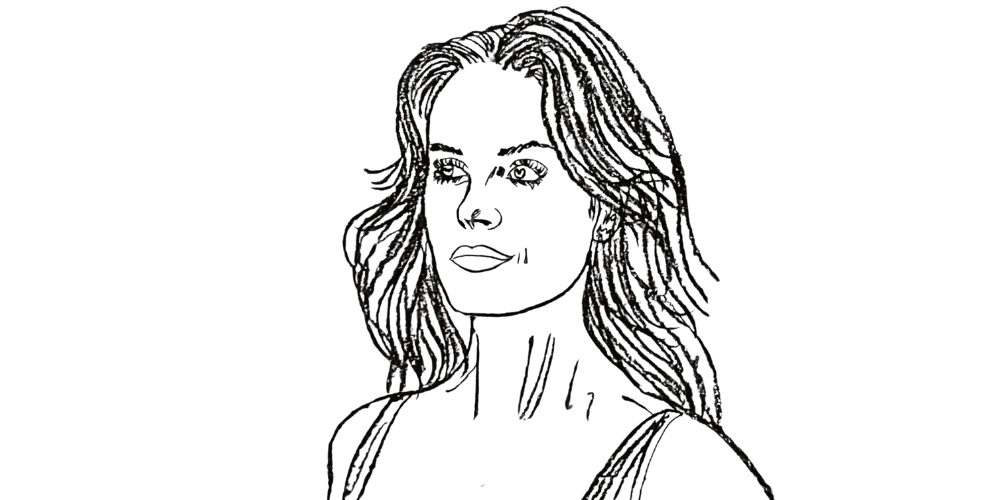
Quiet confidence doesn’t chase permission.
It doesn’t rush to be understood.
It doesn’t require an audience.
It feels like this:
a slower breath when you enter a room.
a relaxed jaw when you speak.
a softer belly when you stop bracing for judgment.
a calm “no” without a long explanation.
Quiet confidence is less about what you say and more about what your body believes while you say it.
When I’m in quiet confidence, my words don’t fight.
They land.
It’s the feeling that I can be myself and still belong—even if someone disagrees.
It’s choosing to reply later so I can answer well.
It’s leaving a conversation that drains me without making myself wrong for it.
It’s choosing the work that aligns with my values even if it looks slower from the outside.
If you’re exploring this shift, you may enjoy I Don’t Need Permission to Be Myself
,which pairs beautifully with this reflection.
“Confidence isn’t the absence of doubt — it’s the presence of self-trust.”
Quiet Confidence, the Nervous System, and the Breath
One of the most surprising things I learned is that confidence has a physical signature.
It’s not only a thought.
It’s not only an attitude.
It’s often a state of the nervous system.
When the nervous system feels unsafe, the body prepares.
Breath gets shallower.
The chest tightens.
The shoulders lift slightly.
The mind accelerates.
You may speak faster, explain more, overthink, or try to control how you’re perceived.
That is not a lack of character.
That is a stress response.
Quiet confidence begins when the body stops preparing for danger in ordinary moments.
When it learns: I can be seen and still be okay.
This is why breath matters.
Not as a “relaxation trend,” but as a safety signal.
A longer exhale tells the vagus nerve: we’re not being chased.
A softer belly tells the body: we’re allowed to exist.
When I feel myself tightening, I do something simple:
I slow down my exhale.
I feel my feet.
I soften my shoulders.
I let my voice come from my chest instead of from urgency.
Confidence becomes quieter because my nervous system becomes quieter.
Earning Trust With Small Proofs
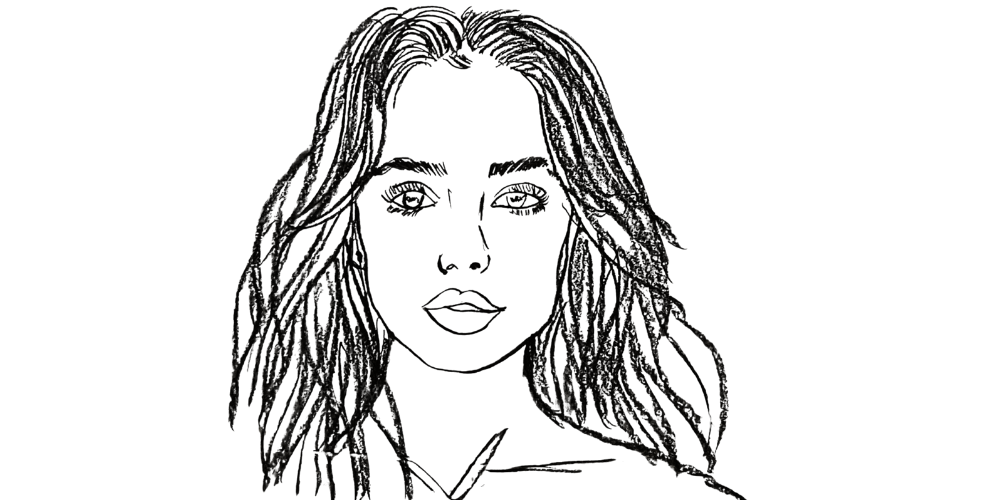
Quiet confidence grows the same way trust grows in any relationship:
through consistency.
I used to think confidence would arrive when I became “better.”
But it arrived when I became reliable to myself.
Not with huge promises.
With small ones.
Small proofs that my nervous system could register.
One glass of water after waking.
One mindful breath before answering.
One honest line in my journal at night.
One boundary respected.
One “no” said kindly but clearly.
These are not self-improvement tasks.
They are signals.
They tell the body: I will not abandon you today.
And the body responds.
It relaxes.
It trusts.
It stops bracing.
When actions match values repeatedly, self-trust becomes natural.
Confidence becomes less about what I feel and more about what I practice.
Stress, Overthinking, and the Need to Perform Confidence
Sometimes what looks like “low confidence” is actually high stress.
When the mind is overloaded, it tries to compensate.
It rehearses.
It predicts.
It imagines worst-case scenarios.
It tries to control perception—because perception feels like survival.
In those moments, I don’t tell myself to “be confident.”
I tell myself to come back to my body.
I ask:
What is my system protecting me from right now?
And then I offer something grounding:
a slower breath,
a small pause,
a sip of water,
a moment of silence before I speak.
Quiet confidence doesn’t fight the nervous system.
It supports it.
Let It Be a Whisper, Not a Show
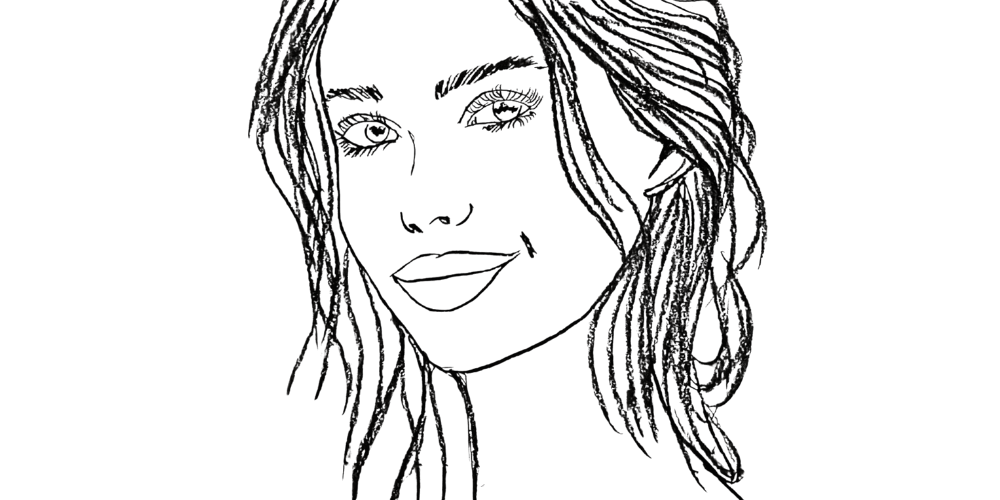
Quiet confidence doesn’t need an audience.
It’s the whisper that says, “You can handle this,” while your hands do the next right thing.
It’s not the loud “I’m sure.”
It’s the calm “I’ll figure it out.”
It’s not “Look at me.”
It’s “I’m here.”
For a concise, research-based overview, see this guide from Harvard Health:
Regain your confidence.
Journal Prompt: Proof of Quiet Confidence
In your journal, title a page: “Small proofs I trust myself.”
Then write five recent moments where you chose alignment over approval.
They can be simple:
a boundary you honored,
a conversation you left gently,
a truth you admitted to yourself,
a pause you took before reacting,
a promise you kept.
Circle one proof you will repeat this week.
Because repetition is where the nervous system learns:
I am safe with myself.
For gentle support, my Self-Discovery Journal Prompts include practices that reinforce self-trust through simple daily actions.
Confidence is quiet — and I feel it now.
Not because I became louder,
but because I became steadier where it counts:
inside.