
Creating Without Performing.
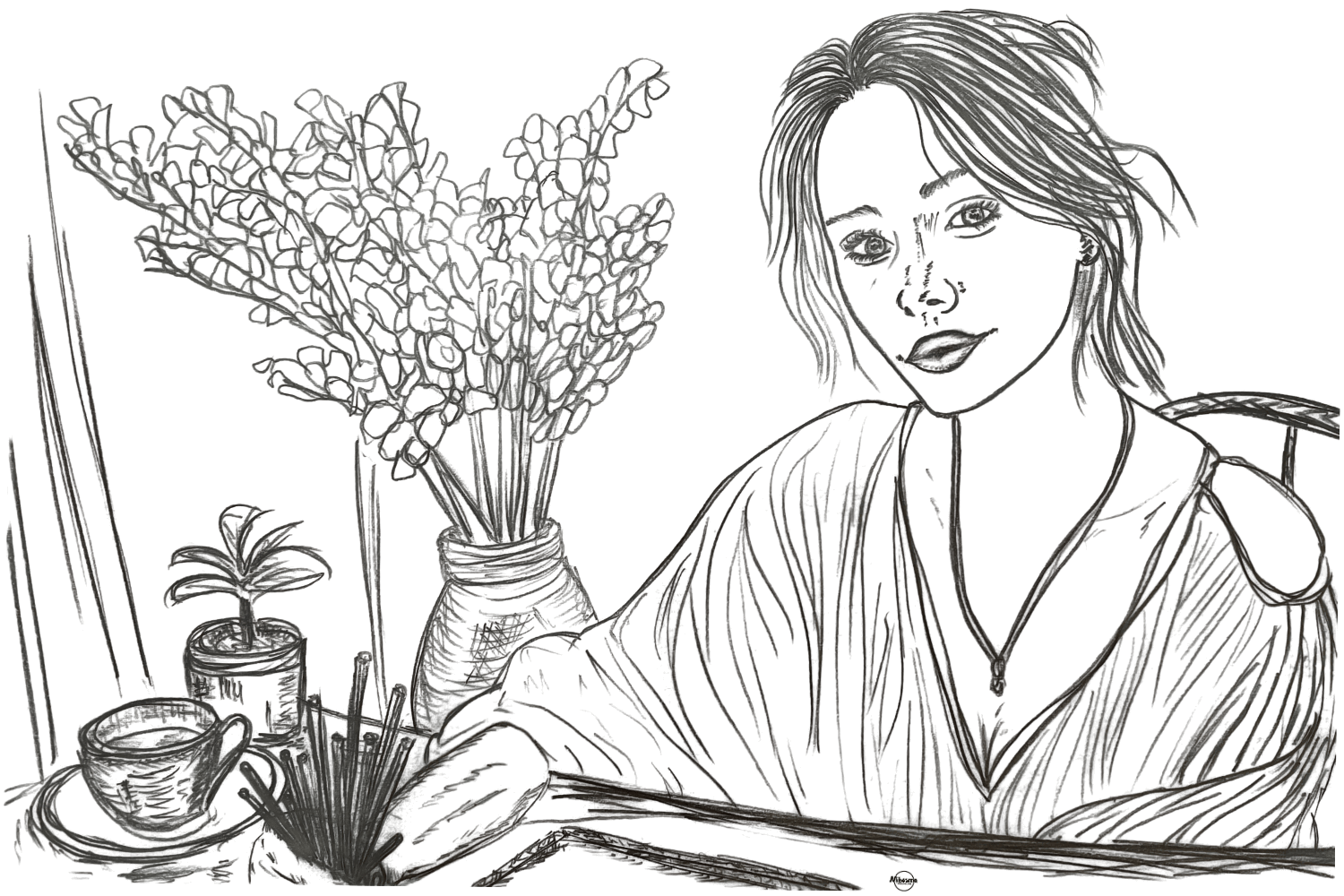
Creation softens when it no longer needs applause.
It deepens when it no longer asks for permission.
Creating Without Performing
For a long time, I didn’t know the difference between creating and performing.
I thought they were the same thing.
I wrote — but part of me waited for reaction.
I spoke — but part of me listened for approval.
I shared — but part of me monitored the room.
What I called creativity was often vigilance.
What I called expression was often regulation through other people.
And my nervous system was tired.
This is the story of learning how to practice creating without performing — not as a concept, but as a regulated state of being.
When Creation Becomes Performance
Performance is not always dramatic.
It can be subtle.
A slight tightening in the chest before speaking.
A quick check of facial expressions in the room.
A pause to adjust tone so it lands “correctly.”
Performance lives in micro-calculations.
It asks:
How will this be received?
Instead of:
Is this true for me?
When creation becomes performance, the nervous system orients outward.
It scans.
It anticipates.
It adjusts.
Creativity narrows.
The Nervous System Behind Performance
From a biological perspective, performing is often a survival strategy.
The autonomic nervous system is designed to detect social safety.
When we feel seen and accepted, the body softens.
When we feel evaluated, it tightens.
This is not weakness.
It is physiology.
Under perceived social threat, cortisol rises.
Breathing becomes shallow.
Attention narrows.
Muscles brace.
This is called attentional narrowing — the brain prioritizes threat detection over creativity.
In that state, originality decreases.
We do not create freely.
We create defensively.
Polyvagal Theory and Creative Safety
Polyvagal theory explains how our sense of safety shapes behavior.
When the ventral vagal system is active, we feel socially safe.
Voice softens.
Eye contact steadies.
Breath deepens.
Creative flow becomes possible.
But when the sympathetic system dominates — fight or flight — creativity becomes strategy.
We perform.
We adjust ourselves to stay accepted.
Creating without performing requires returning to ventral regulation.
Not forcing confidence — but restoring safety.
Cortisol Rhythm and Creative Energy
Cortisol is not the enemy.
It follows a natural rhythm throughout the day.
Healthy cortisol rises in the morning and gradually declines by evening.
But chronic social vigilance disrupts this rhythm.
When we are constantly performing, cortisol stays subtly elevated.
This leads to:
- Mental fatigue
- Creative blocks
- Emotional reactivity
- Difficulty resting
Creating without performing helps regulate cortisol indirectly.
Because the body no longer perceives expression as danger.
Attentional Narrowing vs. Creative Expansion
Under stress, attention narrows to immediate evaluation.
Under safety, attention widens.
This widening is essential for creativity.
Ideas connect more fluidly.
Associations become playful.
Language becomes spacious.
When I stopped performing, my perception expanded.
I noticed more.
Not because I tried harder — but because I relaxed.
The Moment I Realized I Was Performing
It was subtle.
I was writing something vulnerable.
And I noticed my shoulders were tense.
My jaw was tight.
My breath was shallow.
I paused.
I asked myself:
Who am I trying to satisfy right now?
The answer was not artistic.
It was relational.
I was trying to be acceptable.
That was the beginning of learning creating without performing.
Embodiment as the Exit from Performance
The shift did not begin in mindset.
It began in the body.
I softened my shoulders.
I lengthened my exhale.
I felt my feet on the ground.
Slowly, my system moved from vigilance to presence.
Only then could I ask:
What is actually true?
Creating without performing is first a somatic practice.
It is not a motivational decision.
Practical Daily Structure for Creating Without Performing
1. Regulate Before You Create
Two minutes of slow breathing before beginning.
Inhale for four. Exhale for six.
2. Remove the Imagined Audience
Ask yourself: If no one could see this, would I still write it?
3. Create Offline First
Draft without publishing immediately.
4. Notice Body Signals
If your jaw tightens, pause.
5. Delay Evaluation
Creation first. Review later.
This structure protects creative safety.
Why Performing Feels Safer
Performance gives immediate feedback.
It creates predictability.
But it disconnects us from authenticity.
The nervous system confuses applause with safety.
Creating without performing retrains that association.
Safety becomes internal.
Memory and Social Conditioning
Many of us learned early that approval equals belonging.
That memory lives in the body.
When we create, that old imprint activates.
But repeated experiences of safe, non-performative creation update the nervous system.
Belonging becomes less conditional.
Interoception: Feeling Before Adjusting
Interoception is the ability to sense internal states.
When interoception strengthens, we feel subtle tension before it becomes performance.
This awareness allows interruption.
Creating without performing becomes possible because we detect vigilance early.
The Role of Self-Compassion
Self-criticism fuels performance.
Self-compassion stabilizes identity.
Research shows that mindfulness and self-compassion practices support emotional regulation and reduce stress reactivity: Mindfulness practice leads to increases in regional brain gray matter density
Warmth toward ourselves reduces internal threat signals.
Creation softens.
Journaling as a Safe Studio
Journaling is a powerful space to practice creating without performing.
There is no audience.
No metrics.
No evaluation.
The Self-Discovery Journal Prompts offer gentle entry points into authentic expression.
When we witness ourselves privately, we strengthen internal validation.
Creating Without Performing on Difficult Days
Some days, the urge to perform returns.
This is normal.
On those days, I reduce output.
I return to breath.
I write smaller truths.
Creating without performing is not perfection.
It is practice.
What Changes When Performance Drops
- Ideas feel lighter.
- Language flows more naturally.
- Energy lasts longer.
- Comparison decreases.
- Rest becomes easier.
Creativity becomes sustainable.
Final Reflection
Creating without performing is not about ignoring feedback.
It is about separating expression from survival.
It is about restoring safety to the act of making.
When the nervous system relaxes, creation deepens.
When creation deepens, identity stabilizes.
And when identity stabilizes, performance is no longer necessary.
Because what you create does not need to impress.
It only needs to be true.
FAQ — Creating Without Performing
Is performing always negative?
No. It becomes harmful when it replaces authenticity.
Can I still share my work publicly?
Yes. The difference is internal motivation.
How do I know if I’m performing?
Notice body tension and fear of reaction.
Does this reduce ambition?
No. It refines it.
How long does it take?
Regulation begins in minutes. Integration unfolds gradually.