
Dreaming Softly — Without the Urge to Prove.

Gentle truth: I don’t have to prove my dreams to make them real.
Affirmation: “I trust the quiet path my heart is choosing.”
Dreaming Softly — Without the Urge to Prove
For a long time, I didn’t just dream.
I performed my dreams.
Every desire carried a hidden audience.
Every project needed witnesses.
Every intention was quietly shaped by how it might look, sound, or be received.
I didn’t realize how heavy that was until I felt my own dreams start to exhaust me.
They were no longer places I visited to feel alive.
They had become things I needed to justify my existence.
Dreaming had turned into proving.
Proving that I was evolving.
Proving that I was capable.
Proving that I was not wasting time.
Proving that my inner world deserved space.
And slowly, without noticing, my body began to tighten around my own visions.
When Dreams Are Born From Pressure Instead of Presence

I began to notice subtle signs.
My breath shortened when I thought about my goals.
My jaw tightened when I spoke about the future.
My chest felt busy instead of open.
Dreams that once felt expansive now felt like responsibilities.
And the body is honest in ways the mind often is not.
When a dream is born from pressure, the nervous system doesn’t open toward it.
It braces.
The sympathetic nervous system — the part responsible for performance, urgency, and survival — stays quietly activated.
This is why proving drains us.
It places dreams inside the same internal space as danger: effort, vigilance, comparison, evaluation.
Even beautiful visions can become sources of stress when they are entangled with worth.
I wasn’t tired of dreaming.
I was tired of carrying my dreams like evidence.
The Body Knows When a Dream Is Safe
The body responds differently to dreams born from presence.
Breath deepens instead of shortening.
The belly softens.
The shoulders drop.
The nervous system moves out of performance and into receptivity.
This shift matters.
Because creativity, clarity, and emotional truth do not arise from contraction.
They emerge from safety.
When the body feels safe, imagination becomes fertile.
When the body feels watched, imagination becomes strategic.
I began asking myself a new question:
“Does this dream expand my breathing — or manage my image?”
The answers changed everything.
Dreaming Softly — Letting Desires Unfold Without Pressure
One quiet night, without planning to, I stopped shaping my future.
I didn’t visualize.
I didn’t set intentions.
I didn’t write goals.
I simply sat by the window and let myself want what I wanted — without turning it into a project.
Something softened immediately.
Not excitement.
Not ambition.
Relief.
My dreams returned to their original place: inside my chest, not in my resume.
That night, I understood that dreaming softly is not dreaming small.
It is dreaming without armor.
It is allowing desire to exist before it is productive.
Letting it breathe before it performs.
Trusting it before it proves.
How Stress Distorts the Way We Dream
Under chronic stress, the mind searches for control.
Dreams become plans.
Plans become identities.
Identities become defenses.
Instead of asking, “What calls me?”
We start asking, “What will validate me?”
Instead of listening inward, we scan outward.
Stress makes dreams louder, but thinner.
They speak in urgency instead of depth.
In metrics instead of meaning.
In comparison instead of connection.
The body often resists these dreams quietly.
Fatigue.
Procrastination.
Self-doubt.
Loss of joy.
Not because we are incapable — but because something inside us is asking for a different rhythm.
Living My Dreams Gently — Trusting the Quiet Rhythm of Becoming
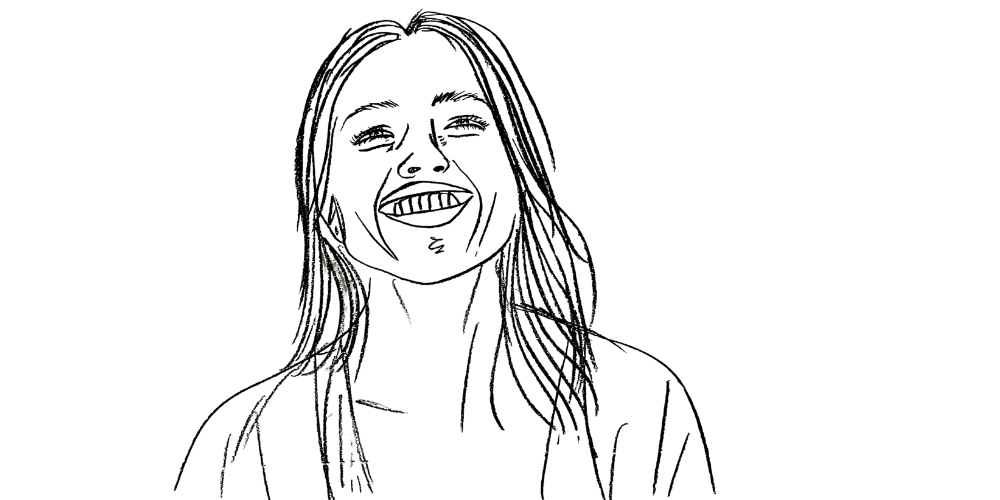
These days, I don’t rush my dreams into language.
I feel them first.
In my breathing.
In my posture.
In the way my body leans toward certain mornings and away from others.
I write them softly in my journal.
Not as declarations — but as curiosities.
Sometimes they remain small for a long time.
Sometimes they change form.
Sometimes they dissolve.
And that is not failure.
It is listening.
Dreaming softly allows desire to evolve without betraying itself.
It frees becoming from performance.
The Breath as the First Place Where Dreams Are Born
Before dreams become ideas, they are sensations.
They appear as expansions in the chest.
Warmth in the stomach.
A subtle pull in the body.
The breath is often where they are first felt.
A slower inhale when something resonates.
A deeper exhale when something aligns.
This is why returning to the breath matters.
It is not just calming — it is clarifying.
When breathing slows, perception widens.
When breathing softens, intuition becomes audible.
Dreaming softly begins here:
in a body that feels safe enough to listen.
When You Stop Proving, Your Dreams Start Speaking
There is a profound difference between ambition and intimacy with one’s own life.
Ambition asks, “What can I build?”
Intimacy asks, “What is asking to grow?”
When proving falls away, listening returns.
The nervous system leaves the stage.
The heart re-enters the conversation.
Dreams stop shouting.
They start guiding.
Not toward achievement — but toward coherence.
And coherence is quieter than success.
It feels like breath that moves without force.
Like actions that don’t betray the body.
Like visions that don’t require self-abandonment.
Dreams as Companions, Not Evidence
I no longer ask my dreams to justify me.
I let them walk beside me.
Sometimes in silence.
Sometimes in movement.
Sometimes changing shape.
They are no longer banners.
They are conversations.
And this has made all the difference.
Life feels gentler now.
Not because it is easier — but because I am no longer at war with my own becoming.
Explore deeper with Self-Discovery Questions Journal
Gentle read: Kim Egel — Dreams Are Not Linear
Dreaming softly — without the urge to prove is my quiet way of creating.
Not from fear of being forgotten.
But from trust in what is slowly forming.
Some dreams don’t want to be chased.
They want to be accompanied.