
I Can Grow Slowly and Still Be Enough.
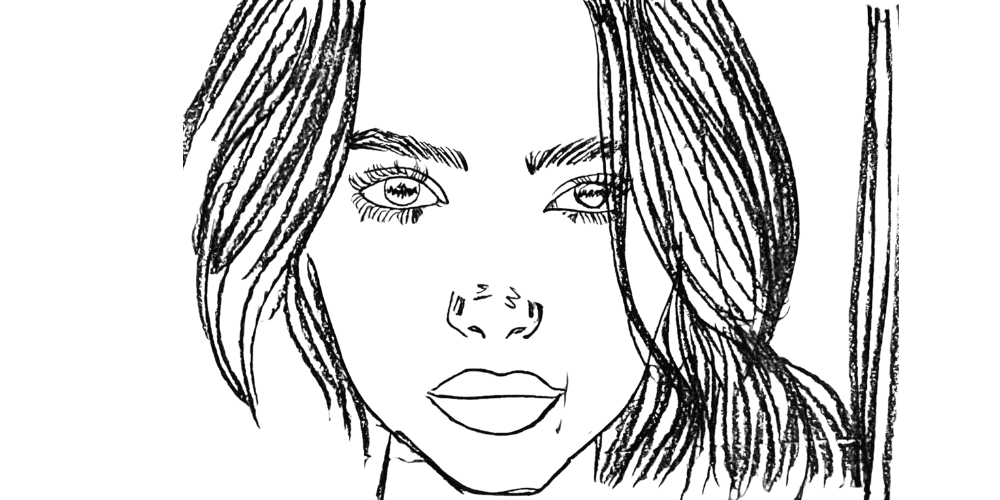
Written on a day when progress felt quiet. Affirmation: “I can grow slowly and still be enough.”
I Can Grow Slowly and Still Be Enough
I used to measure growth by visible milestones—the big reveal, the flawless routine, the dramatic transformation.
I believed progress had to look impressive to be real.
I believed it had to be fast to count.
But the most faithful changes in me have been almost invisible:
a kinder tone with myself,
a pause before reacting,
choosing rest without guilt,
leaving a conversation without abandoning my truth.
These things don’t make headlines.
Yet they reshape my days from the inside out.
And slowly, I’ve come to understand something that feels like relief:
I don’t have to sprint to be worthy.
I don’t have to become “better” quickly to deserve peace.
I can grow slowly—and still be enough.

I used to think slow growth meant I was failing.
If I wasn’t changing quickly, I assumed I wasn’t changing at all.
And if I wasn’t changing, I judged myself.
But the body doesn’t change in dramatic leaps.
The nervous system doesn’t learn safety overnight.
Real habits don’t become stable through intensity—they become stable through repetition and trust.
The deeper the change, the quieter it often begins.
Like roots.
Like healing.
Like a nervous system that finally stops bracing.
I started noticing that when I rushed myself, my body resisted.
My breath shortened.
My shoulders tightened.
My mind became loud and impatient.
Urgency made me feel productive, but not peaceful.
And what I really wanted wasn’t only progress.
It was stability.
It was presence.
It was a life my body could trust.
Why Gentle Growth Is Still Real Growth

Gentle growth lasts because it’s integrated.
It doesn’t only happen in the mind.
It settles into the body.
It changes the way you breathe, the way you move, the way you speak to yourself when nobody is listening.
When change is too fast, the nervous system often sees it as danger.
Even positive change can feel unsafe if it happens with pressure.
If my inner world believes I must “improve” to deserve rest, then even growth becomes another form of stress.
But when growth is gentle, something else happens:
my body stays with me.
I can feel it in my breath.
When I grow slowly, my exhale gets longer.
My jaw unclenches.
My chest softens.
My thoughts become less sharp.
I don’t need to perform progress to prove it’s real.
I can grow slowly enough for my nervous system to trust the life I’m building.
Because the goal isn’t to change fast.
The goal is to change in a way that I can keep.
“Gentle steps taken consistently will carry you farther than grand efforts you can’t sustain.”
Slow Growth Is a Nervous System Skill
I used to think my impatience was a personality trait.
But I’ve learned it’s often a nervous system response.
When the nervous system is stressed, it craves certainty.
It wants immediate results to feel safe.
It wants proof that effort will lead to relief.
That’s why urgency can feel addictive.
It creates the illusion of control.
But slow growth teaches a different kind of safety:
the safety of being present with the process.
The safety of not abandoning yourself just because the results aren’t visible yet.
It’s learning to stay with discomfort without punishing yourself.
It’s learning to breathe through the “not yet.”
It’s learning to let the body adapt, not only the mind.
For me, slow growth became less about discipline and more about regulation.
When I regulate, I can be consistent.
When I’m consistent, I build trust.
When I build trust, confidence grows quietly.
Choosing Consistency Over Urgency
Urgency asks me to sprint; consistency invites me to stay.
Urgency says, “Fix this now.”
Consistency says, “Return to what matters—again.”
I return to a few inner anchors and let them do quiet work:
One mindful breath before I answer.
One honest line in my journal at night.
One small boundary I protect gently.
One moment of water, light, or silence when I feel scattered.
These habits are small enough to be real.
They don’t require motivation.
They require presence.
And presence is what builds a life that lasts.
If you want a companion to this, my article The Structure I Needed Was Inner, Not Outer shows how inner anchors create stability without pressure.
How Slow Growth Shows Up in the Body
Slow growth becomes visible if you know where to look.
Not only in achievements—but in the body’s signals.
Sometimes slow growth looks like:
sleeping a little deeper because your nervous system trusts your evenings.
feeling less tightness in the chest when you speak your needs.
noticing your hunger before you reach for distraction.
breathing fully after years of shallow effort.
choosing a calmer pace without guilt.
I’ve learned to track progress through regulation:
How quickly do I return to myself after stress?
How softly can I speak to myself when I make a mistake?
How long can I stay present without needing to escape?
These are not dramatic metrics.
But they change a life.
Self-Compassion Is the Soil of Gentle Progress
Slow growth requires kindness—not as a reward, but as a method.
When I treat myself like a project, I burn out.
When I treat myself like a person, I heal.
Self-compassion doesn’t mean I stop growing.
It means I stop using shame as my fuel.
I can keep going without being harsh.
I can learn without humiliating myself.
I can change without making my current self feel disposable.
For a supportive practice, explore this collection from Dr. Kristin Neff’s Self-Compassion work — Self-Compassion Guided Practices — a simple way to meet slow progress with kindness.
Journal Prompt: Proof You Can Grow Slowly and Still Be Enough

In your journal, make a list called “Quiet ways I’ve grown.”
Include small shifts, such as:
softer self-talk,
better sleep boundaries,
fewer apologies for resting,
a calmer response when you’re triggered,
a clearer “no,”
a gentler “yes.”
Then write one sentence you want to live this week:
“I grow slowly enough for this to last.”
My Self-Discovery Journal Prompts include gentle trackers for noticing steady change—especially the kind you can’t measure from the outside.
I don’t need to rush to be worthy.
I can grow slowly and still be enough—
and because it’s gentle, it will be real enough to stay.