
The Habits That Actually Support My Well-being.
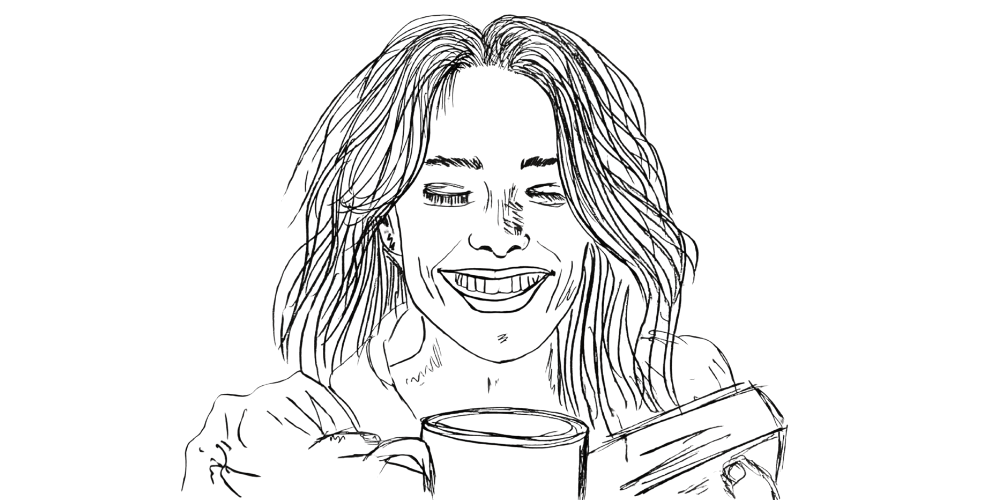
I tried many habits in the name of well-being.
Morning routines. Productivity systems. Discipline challenges.
Some made me more efficient. Very few made me more well.
The Habits That Actually Support My Well-Being
For a long time, I believed well-being was something you achieved.
By doing more of the “right” things.
By following better systems.
By fixing what felt heavy.
So I collected habits.
Early mornings.
Long to-do lists.
Optimized routines.
Constant self-improvement.
Some of these habits looked healthy.
But inside, I often felt tense.
My days were structured — but my nervous system was not supported.
That’s when I began to notice something important:
Not all habits support well-being.
Some habits simply help us function.
Others actually help us feel.
What “supporting well-being” really means
A habit that supports well-being does not only change behavior.
It changes inner conditions.
It affects how safe the body feels.
How pressured the mind becomes.
How gently we relate to ourselves.
Well-being is not only about what you do.
It is about what state your habits create.
Why some “healthy habits” don’t feel healthy
Some habits look good from the outside but cost too much internally.
- habits built on self-criticism
- habits built on comparison
- habits built on pressure
- habits built on fear of falling behind
They may increase output.
But they often decrease inner safety.
And without inner safety, well-being becomes another performance.
The habits that actually changed my inner life
1) Habits that regulate my nervous system
Before changing my productivity, I had to change my physiology.
Habits like:
- slowing my breathing when I feel rushed
- softening my jaw and shoulders
- creating moments of sensory quiet
- walking without a destination
These habits don’t look impressive.
But they tell the body it can stop bracing.
2) Habits that create emotional contact
Well-being deepened when I stopped bypassing my inner state.
- journaling without fixing
- naming what I actually feel
- letting emotions move without solving them
- noticing tension before it becomes exhaustion
These habits don’t remove difficulty.
They reduce inner abandonment.
3) Habits that protect my energy
Some of the most supportive habits were not additions.
They were boundaries.
- ending stimulation earlier
- not filling every silence
- limiting emotionally draining conversations
- creating transitions between activities
4) Habits that soften my relationship with myself
Well-being changed when habits stopped being corrections.
And started becoming care.
- speaking to myself more slowly
- lowering unrealistic expectations
- acknowledging capacity instead of forcing consistency
- resting without needing to earn it
They make life more inhabitable.
The role of daily routines in emotional health
Research consistently shows that simple daily routines and self-regulation practices support emotional stability, stress reduction, and long-term well-being.
They provide predictability.
And predictability is one of the nervous system’s primary signals of safety.
For a grounded public-health perspective on habits and emotional well-being, you can explore:
Centers for Disease Control and Prevention (CDC) — Mental Health Basics
.
What supportive habits feel like over time
- faster emotional recovery
- less urgency
- more internal permission
- greater tolerance for quiet
- less dependence on motivation
- a more stable inner tone
They don’t remove life’s fluctuations.
They soften how deeply those fluctuations shake you.
A gentle journaling inquiry
- “Which of my habits actually make me feel better after?”
- “Which habits only make me feel more managed?”
- “What does my nervous system need more of?”
- “What would supportive consistency look like for me?”
Bring this into your own rhythm
If you want gentle tools to explore emotional awareness, daily grounding, and inner balance,
you can explore the resources here:
Mindfulness & Self-Discovery Tools.
The habits that support my well-being are not the most impressive ones.
They are the ones that leave me more present than productive.
More grounded than optimized.
They are the habits that quietly say:
“You don’t need to become someone else to take care of yourself.”
And that has changed everything.