
How I Flow With My Emotional Cycles.
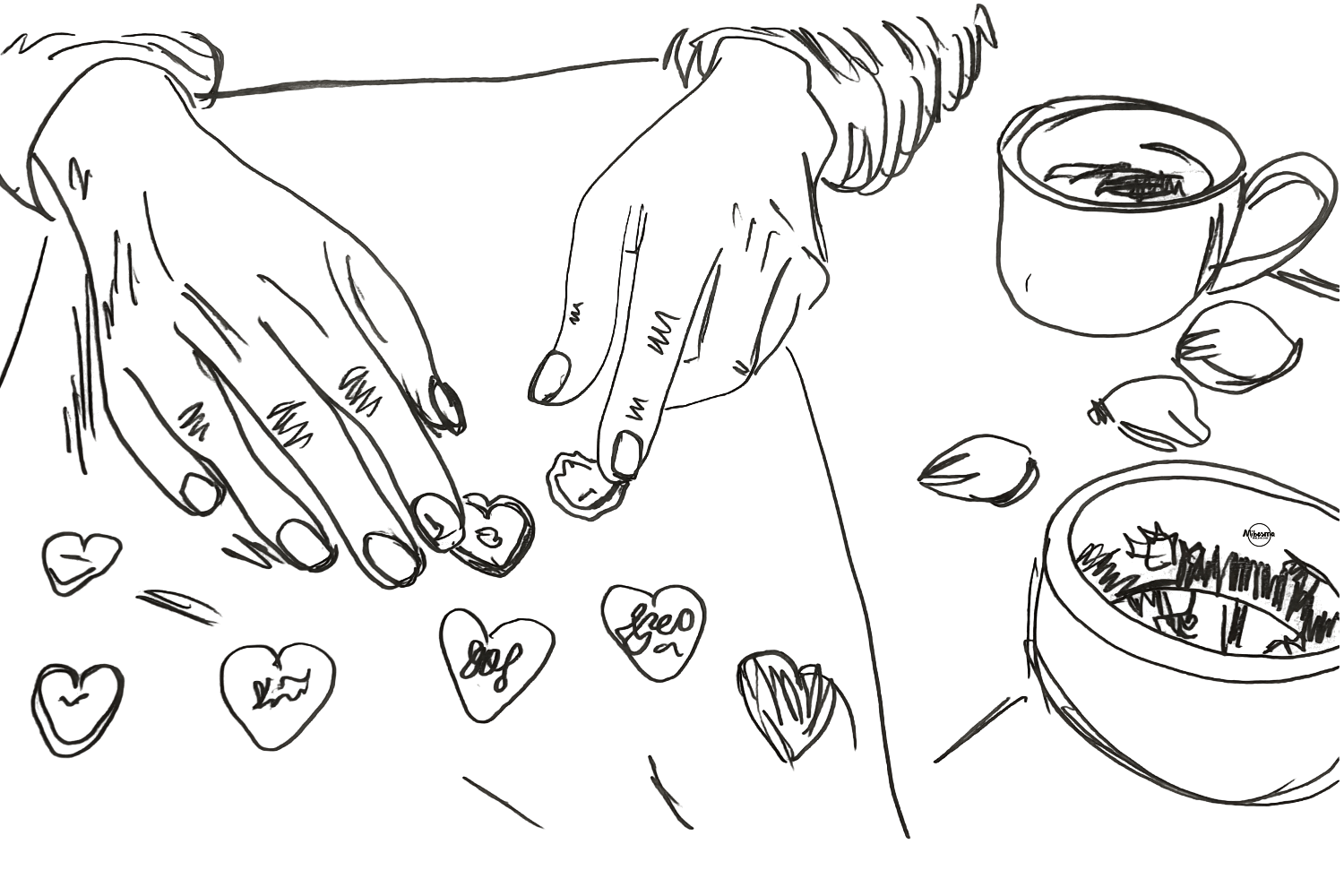
The more I stopped fighting my emotions, the more peacefully they began to move through me.
How I Flow With My Emotional Cycles
This reflection was written on a quiet afternoon when I noticed something simple but important: my emotions were not random. They moved in rhythms, returning again and again like tides.
For a long time, I believed emotions should be controlled.
Managed.
Fixed.
Explained.
Resolved as quickly as possible.
I thought emotional stability meant feeling calm most of the time and avoiding the states that felt uncomfortable.
Sadness felt like something to escape.
Confusion felt like something to correct.
Restlessness felt like something to suppress.
So whenever a difficult emotion appeared, I tried to move past it quickly.
I distracted myself.
I analyzed it.
I searched for solutions.
But the strange thing was this:
The emotions I tried hardest to escape were often the ones that returned again.
Until one day I began noticing something different.
My emotions were not problems. They were cycles.
Understanding Emotional Cycles
One of the most helpful realizations I encountered was that emotions often move in patterns.
They rise.
They peak.
They soften.
And eventually, they pass.
Psychologists often describe emotional experiences as dynamic processes rather than fixed states. Our feelings shift as the mind processes information, memories, and external events.
According to research and psychological explanations published by the
American Psychological Association, emotions naturally fluctuate as the brain interprets and responds to different experiences.
In other words, emotions are rarely permanent.
They move.
They return.
And they evolve.
Learning this changed something important in the way I related to my inner life.
Instead of trying to eliminate emotions, I started learning how to move with them.
The Mistake I Used to Make With My Feelings
Before understanding emotional cycles, I treated every difficult emotion as a signal that something was wrong.
If I felt low, I thought I had failed somewhere.
If I felt overwhelmed, I assumed I was weak.
If I felt uncertain, I believed I needed immediate answers.
So I constantly tried to fix my emotional state.
I searched for motivation.
I tried to think more positively.
I attempted to replace every uncomfortable feeling with a better one.
But emotions do not work that way.
They are not switches that can simply be turned off.
The more I tried to force emotional stability, the more exhausted I became.
Until I started experimenting with a different approach.
Instead of controlling my emotions, I began observing them.
When I Started Observing My Emotional Patterns
At first, this observation was simple.
I noticed how my emotional energy changed during the week.
Some days felt expansive.
Some days felt reflective.
Some days felt quiet.
Some days felt restless.
Instead of labeling these changes as good or bad, I began seeing them as natural fluctuations.
Just like energy levels.
Just like seasons.
Just like tides.
This perspective removed a surprising amount of pressure.
I no longer needed to feel exactly the same every day.
I simply needed to notice where I was within my emotional cycle.
And respond with honesty.
Why Emotions Often Return in Waves
Many emotional experiences follow rhythms.
Memories can trigger certain feelings repeatedly.
Life circumstances shift our inner landscape.
The body itself moves through daily and biological rhythms that influence mood.
Studies in psychology and neuroscience have shown that human mood and emotional states can follow internal rhythms connected to biological and cognitive processes.
These fluctuations mean our emotional state is not fixed but constantly adjusting.
This explains something that once confused me deeply:
Why a feeling I thought I had “solved” would sometimes return weeks later.
It was not regression.
It was part of the cycle.
Learning to Flow Instead of Fight
Once I understood emotional cycles, I began experimenting with a gentler response.
Instead of resisting emotions, I practiced allowing them.
If sadness appeared, I did not immediately push it away.
If confusion surfaced, I did not rush to eliminate it.
If reflection arrived, I gave it space.
And something surprising happened.
The emotions I allowed moved more easily.
They passed more naturally.
Like waves reaching the shore and slowly returning to the sea.
This did not make life perfectly calm.
But it made my inner experience far less tense.
How I Recognize My Emotional Cycles Today
Over time, I started noticing signals that helped me understand where I was emotionally.
Some cycles felt outward.
Those were days when creativity flowed easily.
When conversations felt natural.
When my mind moved quickly.
Other cycles felt inward.
Those were days of reflection.
Of quiet thinking.
Of slower movement.
Neither state was better than the other.
They simply served different purposes.
Once I stopped judging these shifts, I began working with them instead of against them.
Respecting the Quiet Phases of Emotion
One of the biggest changes came when I learned to respect quieter emotional periods.
In a world that celebrates constant productivity, calm or reflective days can feel uncomfortable.
We may assume we are falling behind.
But these quieter phases often serve an important role.
They allow integration.
They create space for insight.
They restore emotional balance.
Without these slower cycles, emotional growth would become overwhelming.
Just like the body needs rest between physical effort, the mind needs emotional pauses.
How Flowing With Emotions Changed My Decisions
Before understanding emotional cycles, I often made decisions while trying to escape discomfort.
I wanted clarity immediately.
I wanted certainty quickly.
Now I wait a little longer.
I allow the emotional wave to pass before interpreting it.
Because emotions can be intense at their peak, but much clearer once they settle.
This simple patience has transformed many of my decisions.
Not because I became perfectly calm.
But because I stopped reacting in the middle of emotional storms.
Reflection Tools for Understanding Your Emotional Cycles
If you want to understand your own emotional rhythms, reflective writing can help you notice patterns over time.
Self-Discovery Journal Prompts
Writing regularly allows you to see how emotions shift, return, and evolve across days and weeks.
Over time, you may begin recognizing your own cycles with greater clarity and compassion.
Final Reflection on Emotional Cycles
For a long time, I believed emotional peace meant controlling how I felt.
But peace did not arrive through control.
It arrived through understanding.
The moment I realized my emotions moved in cycles, something softened inside me.
I no longer expected myself to feel the same every day.
I no longer feared the return of certain feelings.
I simply learned to move with them.
Sometimes rising.
Sometimes resting.
Sometimes reflecting.
And the strange thing is this:
The more I allowed my emotions to flow naturally, the more stable my inner world became.
Emotional peace does not come from eliminating waves. It comes from learning how to move with the ocean.
FAQ — Emotional Cycles and Emotional Flow
What are emotional cycles?
Emotional cycles are natural patterns in which feelings rise, intensify, soften, and eventually fade. These cycles can repeat over time as our mind processes experiences.
Why do emotions come back again?
Emotions may return because the brain continues processing memories, experiences, or unresolved thoughts. This repetition is a natural part of emotional integration.
How can I work with my emotional cycles?
You can work with emotional cycles by observing your feelings without immediate judgment, allowing time for emotions to move naturally, and reflecting through journaling or quiet awareness.
Are emotional ups and downs normal?
Yes. Emotional fluctuations are a normal part of human psychology and are influenced by life events, biological rhythms, and personal experiences.
Can understanding emotional cycles improve emotional balance?
Yes. When people understand that emotions move in patterns rather than permanent states, they often become less reactive and more compassionate toward their own inner experiences.