
How I Share My Light Without Burning Out.
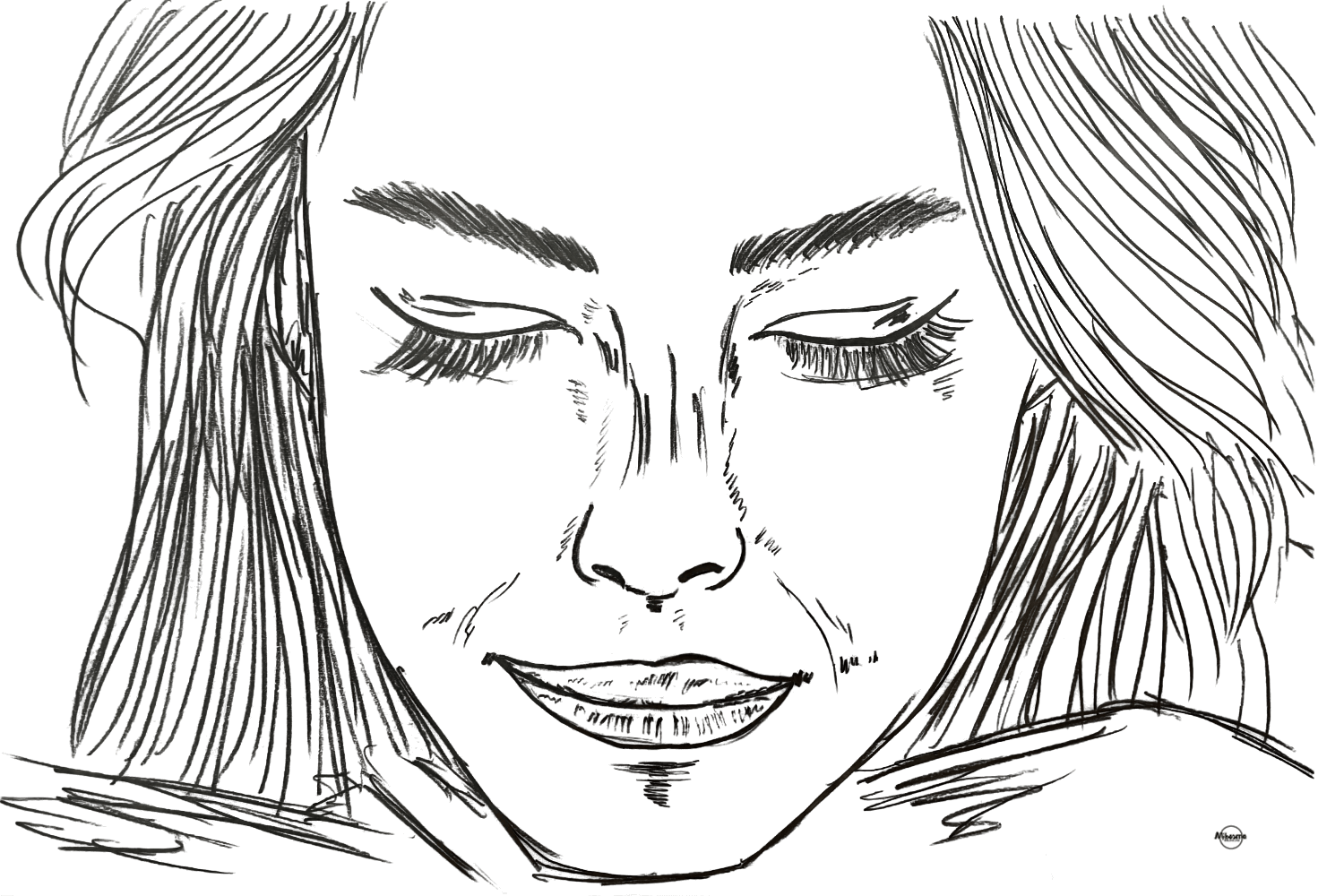
I can share generously and still return to myself — calm, steady, whole.
How I Share My Light Without Burning Out
This was written on a day I realized I was offering warmth from an empty center — and that my light deserved rhythm, not demand.
For years, I believed my presence was a resource without limit.
If someone needed me, I responded.
If someone reached out, I leaned in.
If someone felt lonely, I stayed late on the phone.
If someone was hurting, I held — even when my own breath grew shallow.
I called this generosity.
But my body called it burnout.
Not immediately. Not in dramatic collapse.
It started quietly, like a slow tightening of breath.
Burnout was not punishment.
It was a signal.
A language my nervous system had been trying to speak through tensions, pauses, irritations, and weariness.
The Difference Between Fire and Light
I used to equate bright giving with intensity — as though the warmer and brighter I shined, the more love I offered.
But there is a difference between a flame and a sustainable light:
- A flame consumes fuel quickly.
- A light can be steady, gentle, and warm without burning itself.
Fire can burn out.
Light can last.
Burnout does not come from giving.
It comes from giving without a rhythm that includes return.
How Burnout Begins
Burnout rarely begins with collapse.
It begins with small concessions.
- Answering when your body needs rest.
- Smiling when your chest feels tight.
- Saying “yes” with clenched shoulders.
- Giving presence while your breath fragments.
- Leaning in when your spine wants alignment.
I ignored these signals for years.
I thought they were weakness.
But they were wisdom unnoticed, body language asking for care.
A Moment I Still Feel in My Bones
There was a night I remember clearly.
I was on a long phone call with a friend who was struggling.
I offered what I could — words, calm, presence.
But halfway through, I noticed something subtle:
My breath was high and shallow.
My ribcage felt tight.
My attention was fragmented between breath and empathy.
At the end of the call, I sat in silence.
And I realized I had given… but not to myself.
I had offered care without including my own nervous system in the circle.
The Nervous System and Generosity
Generosity is not measured by output.
It is measured by coherence.
When I give from regulation, my nervous system stays steady.
My breath remains rhythmic.
My posture is upright without strain.
My orientation remains inward as well as outward.
When I give from depletion, my system fragments:
- Breath collapses.
- Awareness loses ground.
- Muscles tighten.
- Nervous tone becomes alert rather than balanced.
Burnout is not simply tiredness.
It is dysregulation.
A Realization That Shifted Everything
One morning, I woke up feeling heavy before the day had even begun.
My mind was calm.
But my body* felt weighed down:
- Chest restricted.
- Ribcage tight.
- Back tense.
- Shoulders raised.
My body was telling me something:
Give less. Pause more. Return to yourself.
I sat quietly and just breathed.
Not with effort.
Not with analysis.
Just with felt sensation — long inhales, long exhales, slow vertical expansion.
This was not laziness.
It was regulation.
The Myth of Endless Supply
One of the most subtle beliefs I held was:
If I have energy, someone deserves it.
But this belief erases the body.
It erases the physiological needs that make generosity human and sustainable.
The body is not a resource tank.
It is a rhythm of breath, return, balance, and replenishment.
Without this rhythm, giving becomes extraction.
Limits Are Not Walls — They Are Containers
I used to associate limits with rejection.
“If I say no, I am unkind.”
“If I rest, I abandon someone.”
But limits are not walls.
They are containers.
They give shape to generosity.
They allow light to exist without burning its edges.
A candle needs a holder.
My energy needs structure.
What Boundaries Really Do
Boundaries do not isolate.
They align.
When I began to set boundaries, I noticed:
- My breath became steadier.
- My spine remained upright.
- I became more available without depletion.
- My generosity became sustainable.
Boundaries are not rejection.
They are respect.
Sharing From Coherence
There is a difference between pressure and flow.
Pressure feels urgent.
Flow feels rhythmic.
Pressure demands output.
Flow creates presence.
Burnout is pressure disguised as generosity.
Regulated giving feels like flow.
On Sustainable Giving
Many well-being experts emphasize the importance of self-care and rhythm in sustainable giving. As described in resources on preventing burnout, balance and recovery are central to resilience and long-term well-being (see burnout prevention and recovery – HelpGuide) .
The Breath Rule
At some point, I developed a simple rule:
If my breath feels constrained, I pause before giving.
Instead of proceeding from impulse, I checked in with my body:
- Are my shoulders soft?
- Is my breath low and steady?
- Are my feet grounded?
- Is my spine upright but not rigid?
If the answer was yes, I gave with coherence.
If not, I returned to breath first.
Micro-Rituals That Protect My Light
Burnout dissolves rhythm.
So I created micro-rituals:
- Short pauses after each conversation.
- Five deep breaths between tasks.
- One morning ritual before engaging externally.
- None of these were grand; all were stabilizing.
These rituals are not luxuries.
They are nervous system maintenance.
Reflective Anchor
If you want support in stabilizing your inner rhythms and reclaiming sustainable generosity, you can explore the reflective tools here:Free Tools.
They are designed for embodied return — not performance.
Final Reflection
My light is not infinite fuel.
It is a living presence.
It needs rest.
It needs rhythm.
It needs containment.
And when I respect that, something beautiful happens:
I can share my light without collapsing.
I can be generous without depletion.
I can be present without burning out.
I can share my light — and remain whole.
FAQ — How I Share My Light Without Burning Out
Is burnout a sign of weakness?
No. Burnout often results from sustained overload and lack of recovery, not lack of strength.
How do I know if my “yes” is healthy?
Check your breath, posture, and internal regulation before committing.
What if my boundaries upset others?
Discomfort does not mean wrongness. Boundaries reveal patterns that depend on overgiving.
How can I recover after exhaustion?
Return to rhythm: rest, slow breathing, gentle movement, and self-inclusion.
Can generosity be sustainable?
Yes. When regulated by rhythm and internal coherence, generosity becomes sustainable and nourishing.