
I Don’t Need Applause to Feel Proud.
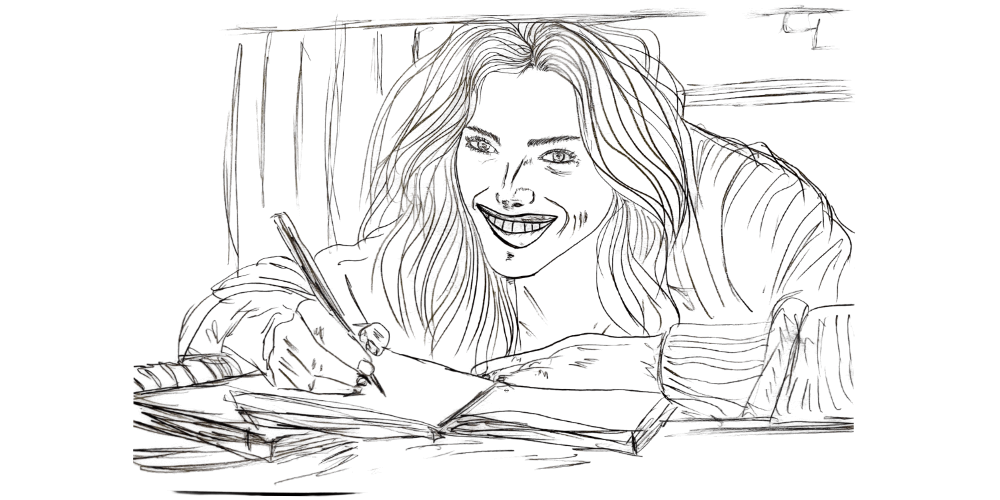
Some forms of pride are quiet.
They don’t rise from applause,
but from the moment you stop waiting for it.
I Don’t Need Applause to Feel Proud
For a long time, pride felt real only when it was reflected back to me.
If no one noticed, something inside remained unsettled — as if the experience itself was incomplete.
I could finish something meaningful, exhausting, or brave… and still feel strangely empty.
Not because the effort lacked value — but because my body had learned to wait for confirmation.
This article explores what happens when pride no longer depends on applause — when it becomes internal, embodied, and regulated.
Not louder.
Not bigger.
But deeper.
Why Applause Feels Necessary at First
Human beings are relational by nature.
From birth, our nervous system develops through interaction.
Being seen, mirrored, and responded to teaches the body that it exists safely in the world.
When someone applauds us — literally or symbolically — the nervous system receives several signals at once:
- “I am visible.”
- “I belong.”
- “My effort had meaning.”
Neurochemically, this often involves dopamine and oxytocin, which support motivation and bonding.
This is not vanity.
It is physiology.
The problem is not enjoying applause.
The problem is needing it in order to feel real.
How Pride Became Externalized
Many of us were raised in systems where effort was not enough.
Results mattered more than process.
Performance mattered more than presence.
Pride became conditional.
You could only feel it if:
- Someone praised you
- The outcome was visible
- The effort was “worth it” in someone else’s eyes
Over time, pride was outsourced.
The body learned to delay satisfaction.
Effort without recognition stayed open — like a sentence without a period.
The Nervous System Cost of Waiting for Recognition
When pride depends on applause, the nervous system remains externally oriented.
It scans.
Did they notice?
Was it enough?
Did I do it right?
This keeps the sympathetic nervous system lightly activated.
Not panic.
But not rest either.
Over time, this creates a chronic low-grade stress state.
The body never fully settles.
Stress Is Also About Unfinished Emotional Cycles
Stress is not only triggered by danger.
It is maintained by incompletion.
When effort does not receive internal closure, the body keeps holding it.
This shows up as:
- Muscle tension
- Jaw clenching
- Shallow breathing
- Mental rumination
Pride without applause is not about ego.
It is about completing cycles.
Pride as an Embodied Skill
Internal pride is not a belief.
It is a physiological skill.
It involves allowing the nervous system to register completion without external input.
This requires:
- Pause
- Presence
- Breath
Without these, effort remains abstract.
With them, pride becomes tangible.
The Role of Breath in Internal Recognition
Breath is the bridge between action and integration.
A slow exhale stimulates the vagus nerve, which supports emotional regulation and safety.
When I finish something now, I don’t rush forward.
I breathe out slowly.
This single act tells my body:
“You can land here.”
Pride begins where urgency ends.
Attachment Patterns and the Need for Applause
From an attachment perspective, the need for external validation is adaptive.
If recognition was inconsistent early in life, the nervous system learned to seek it actively.
Pride without applause may feel unfamiliar — even unsafe.
This is why the practice can bring up discomfort.
It is not resistance.
It is learning.
If you want a simple way to anchor this practice in writing, you can use a gentle prompt from Self-Discovery Journal Prompts.Even one sentence — “What did I do today that I usually overlook?” — can help your nervous system register completion.
Quiet Pride and Dopamine Regulation
Dopamine is often associated with reward and pleasure.
But its deeper function is learning.
When pride is internalized, dopamine is released in a stabilizing pattern rather than a spike.
This supports:
- Sustainable motivation
- Reduced burnout
- Emotional consistency
The nervous system learns that effort resolves — even without witnesses.
What Internal Pride Feels Like in the Body
It is subtle.
Often it feels like:
- A softening in the chest
- Less urgency in the mind
- A sense of grounded calm
- No need to explain or justify
This is not excitement.
It is coherence.
Why This Can Feel Emotional at First
Some people feel sadness when they stop seeking applause.
Others feel emptiness.
This is not failure.
It is grief for unmet recognition.
Internal pride allows that grief to surface — and resolve.
Examples of Pride Without Witnesses
- Choosing rest without explanation
- Not sharing something just to be seen
- Stopping before overgiving
- Being honest when no one is watching
- Letting effort be enough
These moments reshape identity.
Pride, Presence, and Self-Trust
Every time pride is internalized, self-trust strengthens.
You become your own witness.
This reduces dependence — not connection.
You can receive applause without needing it.
Pride vs Performance
Performance seeks reaction.
Pride seeks integration.
Performance accelerates.
Pride settles.
How This Practice Reduces Chronic Stress
Internal pride closes emotional loops.
It prevents effort from accumulating in the body.
Over time, baseline stress decreases.
The nervous system learns safety without approval.
If you want a soft guided practice to support this “internal landing,” here is a calm resource I trust:
Discovering the Healing Spaciousness of Silence
You don’t need to do it perfectly — just let the pace teach your body that quiet can be safe.
Letting Pride Be Enough
This does not isolate you.
It grounds you.
Applause becomes optional.
Pride becomes stable.
Final Reflection
I don’t need applause to feel proud.
Because pride now lives inside my breath, my body, and my presence.
And that kind of pride does not disappear when the room is quiet.
Bonus: FAQ — Pride Without Applause
Why do I crave validation so strongly?
Because your nervous system learned safety through recognition. This is adaptive, not a flaw.
Can pride really be internal?
Yes. It is a physiological skill that develops through pause, breath, and presence.
Is this related to attachment styles?
Yes. Insecure attachment often increases dependence on external confirmation.
Does this help with anxiety?
Yes. Internal pride lowers chronic nervous system activation.
Why does this feel uncomfortable?
Because your system is learning a new source of safety.
Is this the same as confidence?
No. Confidence performs outwardly. Pride integrates inwardly.
Can this prevent burnout?
Yes. It allows effort to resolve before exhaustion accumulates.