
I Don’t Need to Prove My Care All the Time.
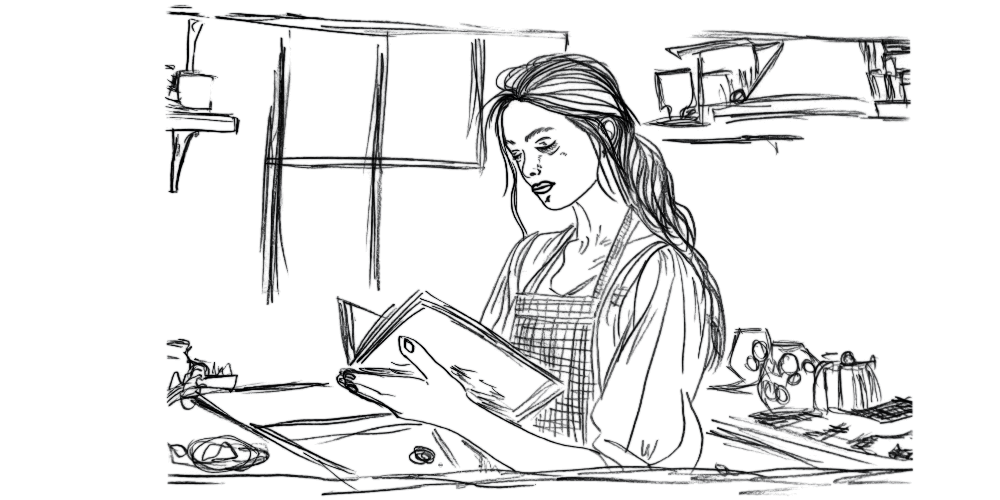
Gentle truth: I don’t need to perform love to be loving.
Affirmation: “My care is real even when it is quiet.”
I Don’t Need to Prove My Care All the Time
For a long time, I thought care had to be visible to be real.
Text messages. Explanations. Reassurance. Constant checking. Emotional availability on demand.
I believed that if I wasn’t expressing care actively, dramatically, continuously — I was failing the people I loved.
But slowly, gently, through exhaustion, through inner listening, through relational friction, something softened inside me:
I don’t need to prove my care all the time.
Care does not disappear when it rests.
It does not die when it becomes quiet.
It doesn’t vanish when I stop explaining myself.
Sometimes, care simply becomes embodied.
And what lives in the body does not need constant speech.
When Care Becomes Performance
Many of us were never taught what regulated, secure care looks like.
We were taught emotional work. Emotional availability. Emotional effort. Emotional vigilance.
We learned that to care meant to respond quickly, to adapt endlessly, to soothe constantly, to prevent discomfort, to anticipate emotional needs before they were even spoken.
Over time, care quietly transformed into a job.
The nervous system stopped resting.
The body stopped feeling safe.
Presence was replaced by monitoring.
When care becomes performance, it often comes from an unregulated nervous system.
From subtle fear.
From early emotional conditioning.
From attachment wounds.
The body learns: “If I don’t show, prove, reassure, manage — connection might disappear.”
So the system stays alert.
Breath becomes shallow.
The chest tightens.
The mind scans.
This is not love.
This is survival wearing the costume of love.
The Nervous System Behind Over-Proving
When the nervous system is in subtle threat mode, care feels urgent.
You don’t care because you want to.
You care because something inside you feels responsible for emotional stability.
Your body may recognize this as:
- compulsive reassurance
- fear of being misunderstood
- difficulty resting in connection
- over-explaining intentions
- guilt when not emotionally available
- anxiety when silence appears
This is not personality.
This is physiology.
The nervous system learned that love requires maintenance.
So it keeps working.
And work, even emotional work, does not feel like safety.
What Real Care Feels Like in the Body
As my nervous system slowly softened, my care changed texture.
It became slower.
Less reactive.
Less performative.
More embodied.
Real care feels different in the body.
It feels like:
- breath that reaches the belly
- shoulders that drop
- a jaw that softens
- attention that stays without urgency
- silence that doesn’t threaten
- love that doesn’t demand proof
Real care does not rush.
It does not argue.
It does not over-function.
It allows the other to exist without managing them.
It allows myself to exist without performing.
Presence Is Care
Care is not measured by emotional output.
It is measured by nervous system presence.
Can I stay in my body while you are in yours?
Can I listen without fixing?
Can I love without stabilizing?
Can I remain when I am not needed?
Presence is what regulates relationships.
Not reassurance.
Not explanation.
Not emotional labor.
Presence is a nervous system offering safety.
And safety allows care to breathe.
When You Stop Proving, Relationships Change
When I stopped proving my care all the time, something surprising happened:
Some relationships deepened.
Some softened.
Some became quieter.
Some faded.
The ones that required performance struggled.
The ones that welcomed presence grew.
Because not all relationships are built on care.
Some are built on regulation contracts.
“I soothe you. You soothe me. We stay.”
But secure connection is not a transaction.
It is a co-regulation of being.
It does not need constant demonstration.
It recognizes itself in stillness.
Learning to Let Care Be Enough
Letting care be enough is a nervous system retraining.
It means noticing when the urge to prove appears.
Not judging it.
Not obeying it.
But listening to it.
Often beneath the urge lives:
- fear of abandonment
- fear of being misunderstood
- fear of emotional distance
- fear of conflict
- fear of invisibility
And fear does not need action.
It needs regulation.
Sometimes the most caring thing I can do is breathe instead of explain.
Sometimes the most loving thing I can do is stay instead of reassure.
Sometimes the deepest care is letting the other feel without rescuing.
The Difference Between Caring and Managing
Caring allows.
Managing controls.
Caring trusts.
Managing monitors.
Caring listens.
Managing anticipates.
Caring rests.
Managing works.
When I don’t need to prove my care, I am no longer managing connection.
I am inhabiting it.
I stop confusing love with responsibility.
I stop confusing care with emotional labor.
I return care to its natural place:
relationship, not regulation.
Journal Prompt — When Do I Try to Prove My Care?
In your journal, write slowly:
“When do I feel the need to prove my care?”
“What am I afraid would happen if I didn’t?”
“What sensations appear in my body in those moments?”
“What would support my nervous system instead of my performance?”
You are not removing care.
You are removing fear from where care lives.
For guided inner work, you can explore my Self-Discovery Journal Prompts.
The Science of Emotional Safety
Research on adult attachment and emotional regulation shows that secure relationships are built on nervous system safety, not constant reassurance.
A regulated system allows closeness without pressure, distance without panic, and care without proof.
For a research-based explanation of how secure attachment supports healthy emotional connection and relationships, see this resource from PositivePsychology.com: Secure Attachment Style: Why It Matters & How to Nurture It — PositivePsychology.com
Care That Breathes Lasts
I don’t need to prove my care all the time.
Because care that survives only through demonstration is fragile.
But care that lives in the nervous system…
lives in the way I listen…
lives in the way I stay present…
lives in the way I respect boundaries…
lives in the way I don’t disappear from myself…
…that care does not need convincing.
It is felt.
And what is felt does not need performance.
I don’t need to prove my care all the time.
I live it. And that is enough.