
I Don’t Need to Shrink to Be Loved.
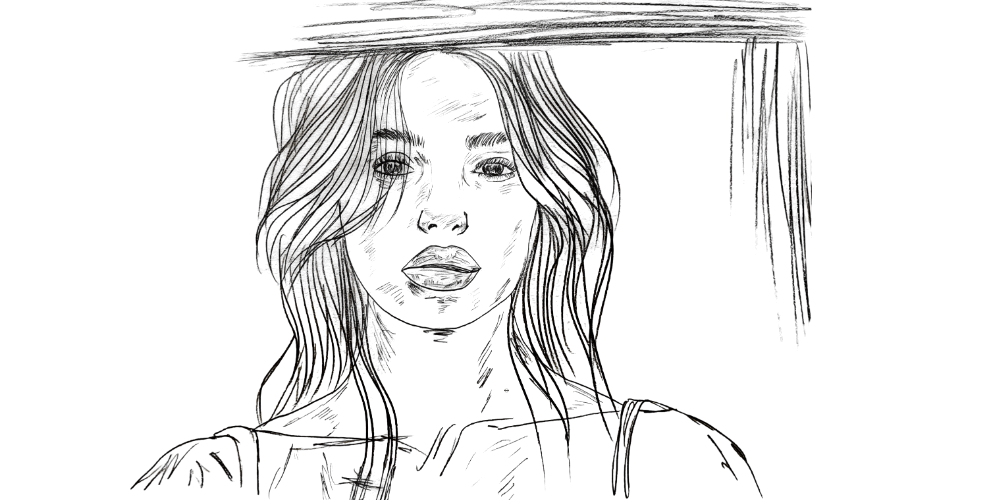
I didn’t need to become smaller to be loved.
I needed my nervous system to learn
that love doesn’t require disappearance.
I Don’t Need to Shrink to Be Loved
For a long time, love felt conditional — even when no one said it out loud.
I learned that connection stayed when I was quiet, adaptable, emotionally contained.
That closeness remained when I didn’t need too much reassurance, space, or clarity.
Shrinking did not feel like a dramatic act.
It felt subtle. Gradual. Almost invisible.
I became skilled at sensing when my presence felt acceptable — and when it felt like too much.
What I didn’t understand then is that this wasn’t intuition or emotional intelligence.
It was a nervous system survival strategy.
This article explores why so many of us learn to shrink to be loved, how this pattern lives in the body and nervous system, and how genuine connection begins only when shrinking is no longer required.
How Shrinking Becomes a Condition for Connection
Shrinking rarely begins with a conscious choice.
It develops through repetition — through small relational moments where emotional expression is met with discomfort, withdrawal, or subtle disapproval.
Moments like:
- Being ignored after expressing a need
- Receiving warmth only when being “easy”
- Sensing tension after emotional honesty
- Being praised for being low-maintenance
The nervous system does not interpret these moments intellectually.
It records them somatically.
Over time, a rule forms:
“Connection is safer when I take up less space.”
This rule becomes automatic, embodied, and difficult to question.
Shrinking as an Attachment-Based Adaptation
From an attachment perspective, humans are wired to prioritize connection over authenticity.
When attachment feels unstable, the nervous system adapts to preserve proximity.
Shrinking is one of those adaptations.
It often appears as:
- Minimizing needs
- Suppressing emotional reactions
- Over-attuning to others’ moods
- Abandoning internal signals to maintain harmony
This adaptation is intelligent.
It protected connection when connection felt uncertain.
But survival strategies are not meant to become lifelong identities.
What Chronic Shrinking Does to the Nervous System
Chronic shrinking keeps the nervous system in a state of inhibition.
Instead of moving freely between activation and rest, the body learns to stay contained.
Over time, this may lead to:
- Restricted breathing patterns
- Persistent throat, jaw, or chest tension
- Difficulty identifying personal needs
- Delayed anger or emotional numbness
- Exhaustion without obvious cause
The body becomes smaller even when the environment no longer requires it.
This is how outdated attachment rules continue operating long after the original threat is gone.
Why Shrinking Often Feels Like Love
When shrinking preserves closeness, the nervous system associates it with safety.
Safety then becomes confused with love.
This creates a painful internal equation:
“If I expand, I risk losing connection.”
True love, however, does not require contraction.
It requires nervous system regulation — the ability to remain present without fear of abandonment.
The Physiology of Shrinking in the Body
Shrinking is not only emotional.
It is deeply physical.
Common bodily patterns include:
- Collapsed posture
- Reduced lung expansion
- Softened or restricted voice
- Limited spontaneous movement
These adjustments reduce visibility — but they also reduce vitality.
The body learns to occupy less space internally, not just externally.
The Role of Breath in Reclaiming Space
Breath is one of the most direct signals of safety in the body.
When we shrink, breathing becomes shallow and cautious.
When the nervous system feels safe, breath naturally expands.
Slow breathing with extended exhalation activates the vagus nerve, shifting the body toward parasympathetic regulation.
Each full breath becomes a micro-experience of expansion without danger.
This is how the nervous system slowly relearns that presence does not equal loss.
Stress Makes Shrinking Automatic Again
Stress reduces nervous system flexibility.
During fatigue, overwhelm, or relational uncertainty, old attachment strategies resurface automatically.
Shrinking often increases during:
- Emotional overload
- Conflict avoidance
- Periods of insecurity
This is not failure.
It is biology.
Supporting regulation reduces the need to self-erase.
Expansion Is Not Aggression
Many people fear that not shrinking will make them overwhelming or selfish.
This fear confuses expansion with dominance.
Regulated expansion feels calm, grounded, and clear.
It includes:
- Stable posture
- Steady voice
- Clear boundaries
- Reduced need to justify existence
You take up space without taking space from others.
The Difference Between Humility and Self-Erasure
Humility involves awareness and proportion.
Shrinking involves fear.
True humility does not require disappearance.
It allows presence without domination — and without collapse.
The Body Stores Every Moment of Self-Reduction
Unexpressed expansion does not disappear.
It accumulates in the nervous system.
In the diaphragm.
In the shoulders.
In the voice.
When expansion returns, stored activation often releases.
This is why reclaiming space can feel emotional, destabilizing, or even tiring at first.
Learning to Stay Without Shrinking
Not shrinking does not require confrontation.
It requires regulation.
It means allowing the body to remain open even when uncertainty arises.
This capacity develops through repetition — not force.
Daily Practices That Support Safe Expansion
Expansion grows through small embodied actions:
- Allowing the breath to fully enter the chest
- Pausing before self-correcting
- Not apologizing for neutral needs
- Staying present with bodily sensation while speaking
If reflective writing supports this process, the Self-Discovery Journal Prompts can gently support nervous system awareness.
External Support for Learning Safe Presence
Guided practices can help the nervous system experience expansion without overwhelm.This calm meditation supports spacious awareness and emotional regulation: Discovering the Healing Spaciousness of Silence
How Not Shrinking Changes Relationships
When you stop shrinking, clarity emerges.
Some relationships deepen.
Others reveal limits.
Neither outcome is failure.
Both are truth.
Love Without Shrinking Is Regulated Love
Love that requires contraction is not intimacy.
It is survival.
Real love begins when both nervous systems can remain present.
Presence — not performance — is the foundation.
Final Reflection
I don’t need to shrink to be loved.
I need my breath to remain full.
I need my body to stay open.
I need my nervous system to trust that love does not require disappearance.
And love that cannot meet me there was never love — it was survival.
Bonus: FAQ — Shrinking and Love
Why do I feel unsafe taking up space?
Because your nervous system learned that presence once threatened connection.
Is shrinking a trauma response?
Often, yes. It is an attachment-based adaptation.
Can I stop shrinking without hurting others?
Yes. Regulation allows expansion without aggression.
Why does expansion feel emotional?
Because stored activation is being released from the body.
Can breath really help with this?
Yes. Breath directly influences perceived safety.
Will relationships change?
Some will. That change reflects truth, not failure.
How long does this process take?
It unfolds gradually through repeated regulated experiences.