
I’m Allowed to Enjoy Without Explaining.
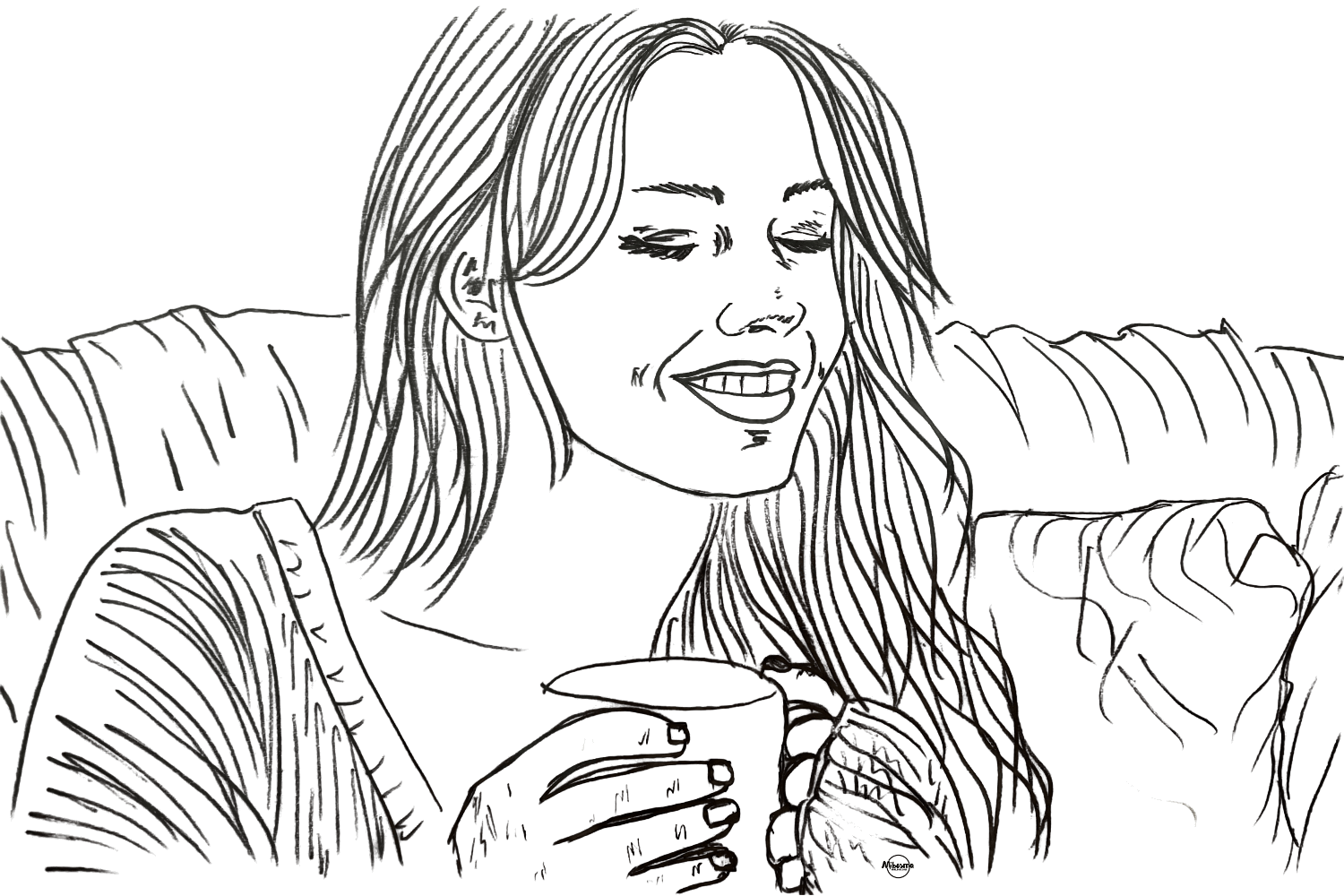
I don’t owe anyone a reason for what makes me feel alive.
I’m Allowed to Enjoy Without Explaining
For most of my life, enjoyment felt conditional.
I could enjoy — but only if it made sense.
I could enjoy — but only if it was productive.
I could enjoy — but only if I could justify it.
Somewhere along the way, pleasure became something that required a defense.
Why do you like that?
What do you gain from it?
What’s the point?
And I answered.
I explained my music preferences.
I explained my solitude.
I explained my slow mornings.
I explained why I smiled at small things.
I didn’t realize I was asking permission to feel alive.
Where the Need to Explain Begins
We are shaped in environments where approval equals safety.
As children, we learn quickly which emotions are welcome and which ones are inconvenient.
Joy that is loud might be “too much.”
Joy that is quiet might be “strange.”
Joy that doesn’t serve others might be labeled “selfish.”
So we adapt.
We begin to monitor our happiness.
We soften it.
We rationalize it.
Over time, we stop enjoying freely.
We begin to enjoy without explaining only in private — if at all.
The Subtle Exhaustion of Justifying Joy
Explaining seems harmless.
But there is a quiet cost.
When every preference requires justification, joy becomes cognitive labor.
Instead of feeling, we defend.
Instead of inhabiting, we narrate.
Instead of breathing, we argue.
It creates a subtle contraction in the body.
The jaw tightens.
The chest narrows.
The breath shortens.
Enjoyment shifts from embodied to intellectual.
And the body knows the difference.
Why “Enjoy Without Explaining” Feels Radical
To enjoy without explaining sounds simple.
But for many of us, it feels rebellious.
It means allowing pleasure without proving its value.
It means laughing without checking who is watching.
It means resting without narrating productivity.
This is not irresponsibility.
This is nervous system permission.
It is allowing the body to experience expansion without interruption.
Attentional Narrowing and Self-Surveillance
Under social pressure, the brain narrows attention.
It scans for evaluation.
It anticipates reaction.
It calculates impression.
This is known as attentional narrowing — a survival mechanism that prioritizes threat detection.
When we feel judged, the mind contracts around performance.
Joy becomes secondary.
But when we allow ourselves to enjoy without explaining, attention widens.
The nervous system softens.
The senses re-open.
Color returns.
The Body Doesn’t Need a Reason
The body experiences pleasure directly.
Warm sunlight.
Music vibrating through the chest.
The taste of coffee.
Silence that feels kind.
The body does not ask, “Is this useful?”
It asks only, “Is this safe?”
When enjoyment is constantly analyzed, safety becomes conditional.
When we allow enjoyment without explanation, safety becomes embodied.
Cortisol Rhythm and Emotional Permission
Chronic self-monitoring subtly elevates stress responses.
The body remains slightly alert.
Slightly braced.
Slightly performing.
Over time, this can affect natural cortisol rhythm — the daily rise and fall of stress hormones that regulate energy and mood.
When joy is freely experienced, the nervous system experiences moments of parasympathetic dominance.
The heart rate steadies.
The breath deepens.
Muscle tone softens.
Research in affective neuroscience shows that positive emotional states broaden attention and support stress recovery processes:
Positive emotions broaden attention and build personal resources
This is not about forced positivity.
It is about removing unnecessary inhibition from natural pleasure.
Performance vs Presence
Performance asks: “How does this look?”
Presence asks: “How does this feel?”
When joy becomes performance, it is fragile.
When joy becomes presence, it stabilizes.
To enjoy without explaining is to shift from display to embodiment.
No commentary.
No disclaimers.
No apology.
The Fear of Being Misunderstood
Sometimes we explain because we fear misinterpretation.
If I enjoy something simple, will I seem shallow?
If I enjoy something unusual, will I seem strange?
If I enjoy something alone, will I seem disconnected?
These fears are relational.
But joy does not need consensus to be valid.
It needs safety.
And safety begins inside.
Mini-Section: Practical Daily Structure
Learning to enjoy without explaining is not a dramatic shift.
It is a daily practice.
1. Morning Micro-Permission
Before checking your phone, ask: What would feel good right now?
Act on it without narrating it.
2. Silent Enjoyment
Choose one moment per day to enjoy privately — music, sunlight, tea — without sharing it online or describing it.
3. Replace Justification Language
Notice phrases like “It’s silly, but…” or “I know it’s not productive, but…”
Remove the “but.”
4. Slow Breath Reset
Inhale for four. Exhale for six.
Let your shoulders drop.
Let your enjoyment exist without explanation.
5. Journal Without Defense
Use gentle prompts from Self-Discovery Journal Prompts to explore joy without rationalizing it.
Small repetitions reshape internal permission.
Social Conditioning and Utility Culture
We live in productivity-centered systems.
Value is measured.
Time is optimized.
Output is praised.
In such environments, enjoyment that does not produce visible results feels suspicious.
But joy is not an output metric.
It is a regulation state.
It stabilizes identity.
It widens perception.
It reduces internal aggression.
Allowing ourselves to enjoy without explaining restores balance in an over-optimized culture.
Polyvagal Perspective on Enjoyment
According to polyvagal theory, the ventral vagal state supports social connection, calm presence, and safety.
When we feel safe, play and enjoyment emerge naturally.
When we feel evaluated, defensive states activate.
Explaining joy often signals subtle defensive activation.
Allowing joy without justification supports ventral vagal regulation.
It signals internal safety.
Identity Beyond Productivity
If identity is built solely on usefulness, pleasure becomes secondary.
But humans are not machines.
We are sensory beings.
Emotional beings.
Relational beings.
To enjoy without explaining is to reclaim humanity from utility.
It is to exist beyond output.
The Quiet Strength of Non-Explanation
Not explaining does not mean hiding.
It means not over-defending.
It means allowing others to misunderstand without collapsing.
This builds internal stability.
It builds emotional spine.
Joy as a Regulated State
Joy is not constant excitement.
It is subtle aliveness.
It is soft expansion in the chest.
It is warmth behind the eyes.
It is ease in the breath.
When joy is regulated internally, it does not depend on applause.
It does not depend on agreement.
It does not depend on explanation.
Long-Term Integration
At first, it may feel uncomfortable.
You may want to explain automatically.
Pause.
Breathe.
Let silence hold the experience.
Over weeks and months, the nervous system learns:
Enjoyment is safe without justification.
This reshapes identity.
FAQ — Enjoy Without Explaining
Is it selfish to enjoy without explaining?
No. Selfishness harms others. Enjoyment simply inhabits your own experience.
What if people judge me?
They might. Internal regulation reduces the impact of external judgment.
Does this mean ignoring feedback?
No. It means separating joy from performance evaluation.
How long does it take to feel natural?
With repetition, weeks. With embodiment, months.
Why does this feel difficult?
Because many of us were conditioned to earn pleasure.
Final Reflection
I’m allowed to enjoy without explaining.
Not because I proved something.
Not because I justified something.
Not because I convinced someone.
But because joy is not a contract.
It is a state.
It is a breath that expands fully.
It is a moment that does not ask permission.
And slowly, gently, I am learning to let it exist —
without defense.
without narrative.
without apology.
I am allowed to enjoy without explaining.