
I’m No Longer Afraid to Take Up Space.
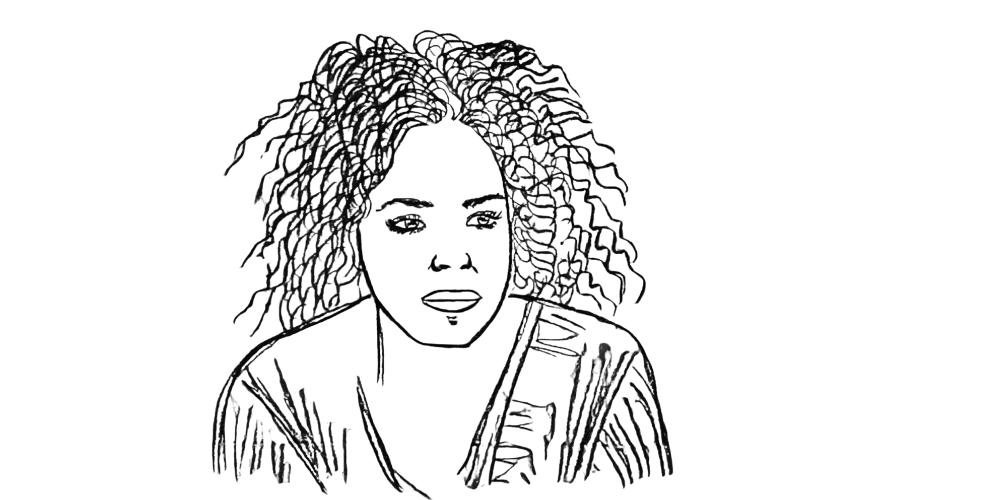
I’m no longer afraid to take up space. This was written on a day when I stood taller without apology.
Affirmation: “I deserve to take up space.”
I’m No Longer Afraid to Take Up Space
For a long time, I believed my safety lived in smallness. In being agreeable. In being easy. In not needing too much.
I learned to soften my voice before anyone asked. To fold my body into chairs. To smile through discomfort. To sense what others needed and quietly move myself out of the way.
I didn’t call it shrinking. I called it being kind. Being mature. Being adapted.
But the body knows when it is allowed to exist — and when it is only tolerated.
Over time, my nervous system lived in a permanent state of subtle contraction. My breathing was shallow without me noticing. My shoulders rarely dropped. My jaw stayed slightly tight. I could relax, but I could not rest.
I’m no longer afraid to take up space because I finally understand:
taking up space is not a personality choice.
It is a biological one.
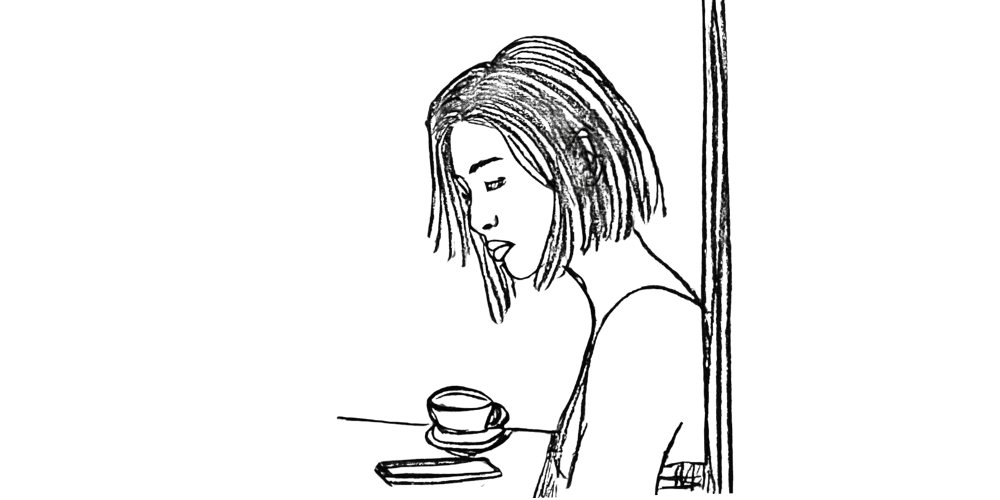
I spent years making myself smaller. Not because I wanted to disappear — but because my system believed visibility was risky.
Shrinking was not weakness. It was strategy.
A way to reduce emotional noise.
A way to avoid conflict.
A way to keep connection.
But strategies that protect us early often imprison us later.
Smallness didn’t keep me safe. It kept me hyper-aware. It trained my nervous system to scan instead of settle. To monitor instead of inhabit. To anticipate instead of feel.
My presence became something I managed instead of something I lived inside.
Today, I let myself take up the space I already deserve.
Not by being louder.
But by being more here.
Unlearning Shrinking: Why I’m No Longer Afraid to Take Up Space
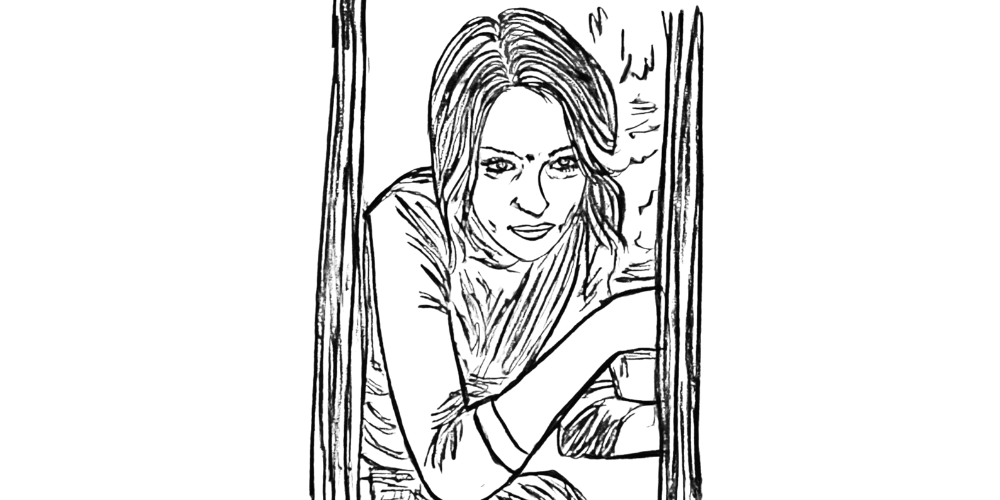
Shrinking is learned in the nervous system before it is understood in the mind.
The body contracts when it doesn’t feel safe to be seen.
The breath lifts into the chest.
The muscles stay slightly activated.
The posture becomes smaller.
The voice softens.
Over time, this becomes identity.
I realized I wasn’t afraid of taking up space.
I was unfamiliar with inhabiting my body without negotiation.
So unlearning began where shrinking began: in the body.
I started noticing my breath. How often I held it while listening. How rarely I exhaled fully. I practiced slower breathing, not to calm emotions — but to teach my nervous system a new baseline.
Longer exhales.
Softer ribs.
Jaw awareness.
Weight dropping into the pelvis.
These are not relaxation techniques. They are safety signals.
Each time my body felt supported, presence became less threatening.
Taking up space stopped feeling like exposure.
It started feeling like alignment.
“Taking up space is not stealing it from others. It’s allowing myself to exist fully.”
The Body, Stress, and the Right to Exist
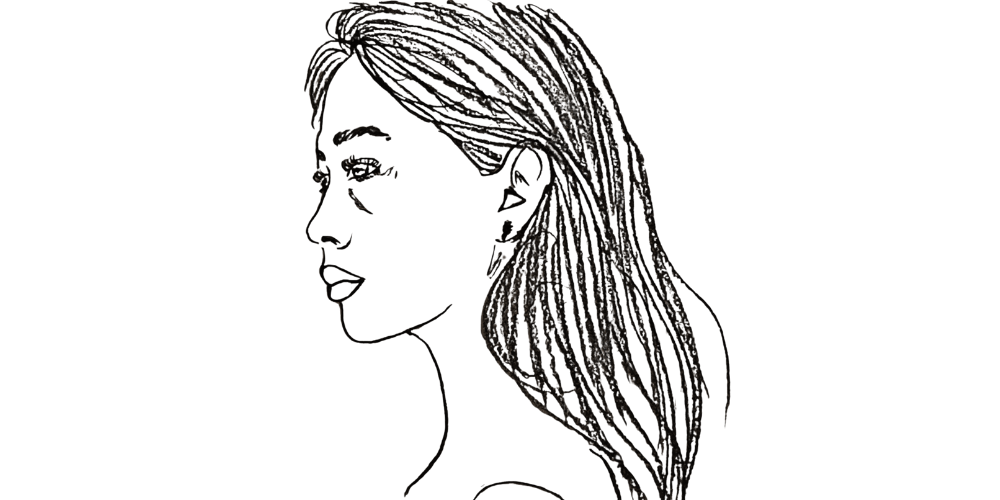
Chronic shrinking keeps the stress response quietly activated.
The body prepares to adapt before it is asked.
Digestion slows.
Breathing shortens.
Attention moves outward.
Over time, this creates fatigue that rest alone does not resolve.
Because the body is not tired from effort.
It is tired from self-interruption.
Taking up space reorganizes stress at its source.
When I allow my posture to open, my lungs receive more air.
When I speak at my natural volume, my throat releases.
When I sit without folding, my digestion softens.
When I move at my pace, my nervous system stops chasing.
Presence is not confidence.
It is permission.
Ways I Practice Presence and Taking Up Space
I practice in ordinary moments.
I sit back without contracting.
I let my arms rest instead of protect.
I walk at the speed my body chooses.
I pause before answering.
I breathe before explaining.
I notice when I disappear.
And I gently return.
Taking up space doesn’t look like assertion.
It looks like inhabiting sensation.
Feeling my feet before speaking.
Letting silence exist.
Allowing my emotions to register on my face.
Leaving when my system is done — not when it collapses.
These are small actions.
But they change the relationship between my body and the world.
I no longer visit my life.
I live inside it.
Presence as the End of Self-Negotiation
Much of what we call anxiety is the body negotiating with an identity that no longer fits.
When we shrink, we override information.
Sensation.
Fatigue.
Boundaries.
Desire.
Presence ends that negotiation.
When I take up space, I stop asking whether I’m allowed to exist as I am.
The question dissolves.
And in that absence, stress reorganizes.
Breathing deepens.
Thoughts slow.
The body stops preparing.
I am not less kind.
I am less absent.
Journal Prompt: How to Claim Your Space with Confidence
In your journal, write slowly:
“One way I will take up space today is…”
Let your answers be physical.
How you will sit.
How you will walk.
How you will breathe.
How you will pause.
Then notice: what changes inside when you stop shrinking?
For added support, explore my Self-Discovery Journal Prompts, designed to reconnect presence, self-trust, and embodied awareness.
For a grounded psychological perspective, you may also appreciate:
How to Stop Being a People-Pleaser (But Still Be You) — PsychCentral
I’m no longer afraid to take up space.
I am not here to manage my existence.
I am here to inhabit it.
And every time I let my body arrive fully,
life feels less like something to earn —
and more like something already given.