
I’m Not Too Much — I’m Fully Here.
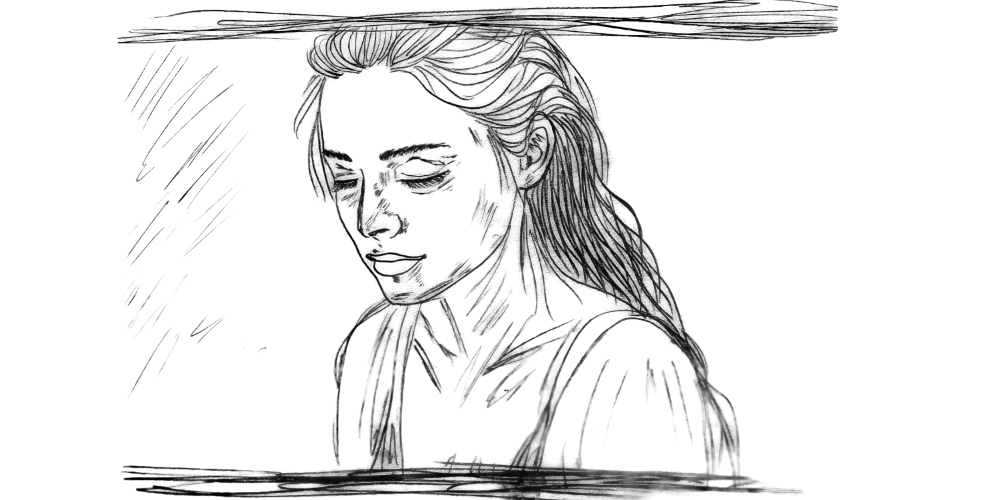
I was never too much.
I was responding to life with my whole nervous system awake.
I’m Not Too Much — I’m Fully Here
For a long time, I believed my presence was a problem.
My emotions felt intense.
My reactions felt visible.
My sensitivity felt inconvenient.
I learned to shrink — not all at once, but gradually.
Lowering my voice.
Softening my reactions.
Pausing my truth before it reached my mouth.
What I didn’t understand then is that I was not “too much.”
I was simply present — fully present — in a world that often rewards emotional absence.
This article explores what it really means to be “too much,” why the nervous system learns to suppress presence, and how reclaiming full presence is not excess — but regulation, safety, and truth.
Where the Belief “I’m Too Much” Comes From
The belief rarely appears in isolation.
It forms slowly, through repeated interactions where emotional expression is misunderstood, minimized, or discouraged.
Common messages include:
- “You’re too sensitive.”
- “You’re overreacting.”
- “Calm down.”
- “Why do you feel things so deeply?”
From a nervous system perspective, these moments teach the body that visibility is unsafe.
Presence becomes associated with rejection.
Over time, the nervous system adapts — not by becoming calmer, but by becoming smaller.
The Nervous System Cost of Shrinking
Shrinking is not emotional maturity.
It is a protective response.
When expression is repeatedly discouraged, the nervous system learns to inhibit activation.
This often results in:
- Shallow breathing
- Chronic muscle tension
- Difficulty expressing needs
- Emotional numbness or delayed reactions
What looks like calm on the outside is often suppressed activation on the inside.
The body holds what the voice learned not to say.
Being “Too Much” Is Often Being Dysregulated — Not Wrong
Emotional intensity is frequently mislabeled.
Many people who are described as “too much” are not excessive — they are dysregulated.
Dysregulation occurs when emotional activation exceeds the nervous system’s capacity to process safely.
This is not a character flaw.
It is a nervous system state.
Without regulation support, presence spills rather than flows.
Presence vs Overwhelm: Understanding the Difference
True presence is grounded.
Overwhelm is uncontained.
Presence includes sensation, emotion, and awareness simultaneously.
Overwhelm floods sensation without integration.
The solution is not suppression — it is regulation.
The Role of Breath in Reclaiming Full Presence
Breath is the bridge between intensity and integration.
When breath is held or shallow, emotional energy has nowhere to go.
Slow, extended exhalation activates the vagus nerve, supporting emotional containment.
This allows presence to be experienced without overwhelm.
Breath does not erase emotion.
It gives it a home.
Why Sensitive Nervous Systems Are Often Misunderstood
Some nervous systems are more perceptive.
They register subtleties — tone, energy, emotional shifts — more quickly.
This heightened perception is often mistaken for weakness.
In reality, it is a form of responsiveness.
Without regulation tools, responsiveness becomes reactivity.
With regulation, it becomes attunement.
Attachment, Safety, and the Right to Take Up Space
Early relational experiences shape how safe presence feels.
If caregivers responded inconsistently or critically to emotional expression, the nervous system learned caution.
Taking up space became risky.
Learning to be fully present as an adult often involves re-parenting the nervous system — offering the safety that was once missing.
Stress Amplifies the Feeling of Being “Too Much”
Chronic stress reduces emotional tolerance.
Under stress, even normal emotions feel intense.
This creates a feedback loop:
- Stress increases sensitivity
- Sensitivity triggers self-judgment
- Self-judgment increases suppression
Breaking this loop requires nervous system regulation — not self-criticism.
What Full Presence Feels Like in the Body
When presence is regulated, it feels like:
- Grounded breathing
- Clear emotional edges
- Reduced internal urgency
- A sense of internal permission
You feel alive — not chaotic.
Visible — not exposed.
Why Many People Apologize for Existing
Apologizing for presence is often learned.
It emerges in environments where emotional expression was inconvenient or overwhelming to others.
The body learns to pre-empt rejection by shrinking.
Reclaiming presence means unlearning this reflex.
Presence Is Not Loud — It Is Clear
Fully present people are not necessarily expressive in volume.
They are expressive in coherence.
Their nervous system is aligned enough to let emotion move without distortion.
This clarity can feel confronting to others who are disconnected from themselves.
Reclaiming Presence Without Becoming Reactive
The fear many people hold is:
“If I stop shrinking, I will overwhelm everyone.”
This fear confuses presence with dysregulation.
Presence with regulation is spacious.
It allows emotion without spilling it onto others.
The Body Remembers Every Time You Shrunk
Suppressed presence does not disappear.
It accumulates in the body.
Tight shoulders.
Held breath.
Chronic fatigue.
Reclaiming presence often releases stored tension.
This is why the process can feel emotional.
Being Fully Here Is a Regulation Achievement
Presence is not personality.
It is nervous system capacity.
It develops through repeated experiences of safety, breath, and emotional permission.
Being fully here is work.
Quiet, consistent work.
Practices That Support Full Presence
Reclaiming presence does not require dramatic change.
It grows through small acts:
- Letting the breath complete fully
- Pausing before apologizing
- Allowing emotion without explaining it
- Noticing bodily tension and softening it
If writing helps you integrate this process, gentle reflection prompts inside the Self-Discovery Journal Prompts can support embodied awareness.
External Support for Regulated Presence
Guided practices can help the nervous system learn safety while staying present.This gentle resource supports emotional spaciousness without suppression: Discovering the Healing Spaciousness of Silence Use it as support, not correction.
Being Fully Here Changes Relationships
When presence is regulated, relationships change.
You no longer seek permission to exist.
You bring clarity rather than intensity.
This often invites deeper, more honest connection.
Presence Is Not for Everyone — And That’s Okay
Not everyone is ready for full presence.
Your job is not to manage others’ comfort.
Your job is to stay regulated while being real.
Final Reflection
I am not too much.
I am fully here.
Breathing.
Feeling.
Present.
And that presence does not need to be justified.
Bonus: FAQ — Being “Too Much”
Why do I feel like my emotions are excessive?
Because emotional activation exceeded regulation capacity — not because you are wrong.
Can sensitivity be a strength?
Yes. When regulated, sensitivity becomes attunement and empathy.
How does breath help with emotional intensity?
Breath provides containment, allowing emotion to move without overwhelming the system.
Is shrinking a trauma response?
Often, yes. It is a protective adaptation to emotional unsafety.
Can I reclaim presence without hurting others?
Yes. Regulation allows clarity without projection.
Why does reclaiming presence feel emotional?
Because suppressed activation is being released safely.
How long does it take to feel fully present?
Presence develops gradually through repeated regulated experiences.