
Laughter Is a Part of My Healing Too.
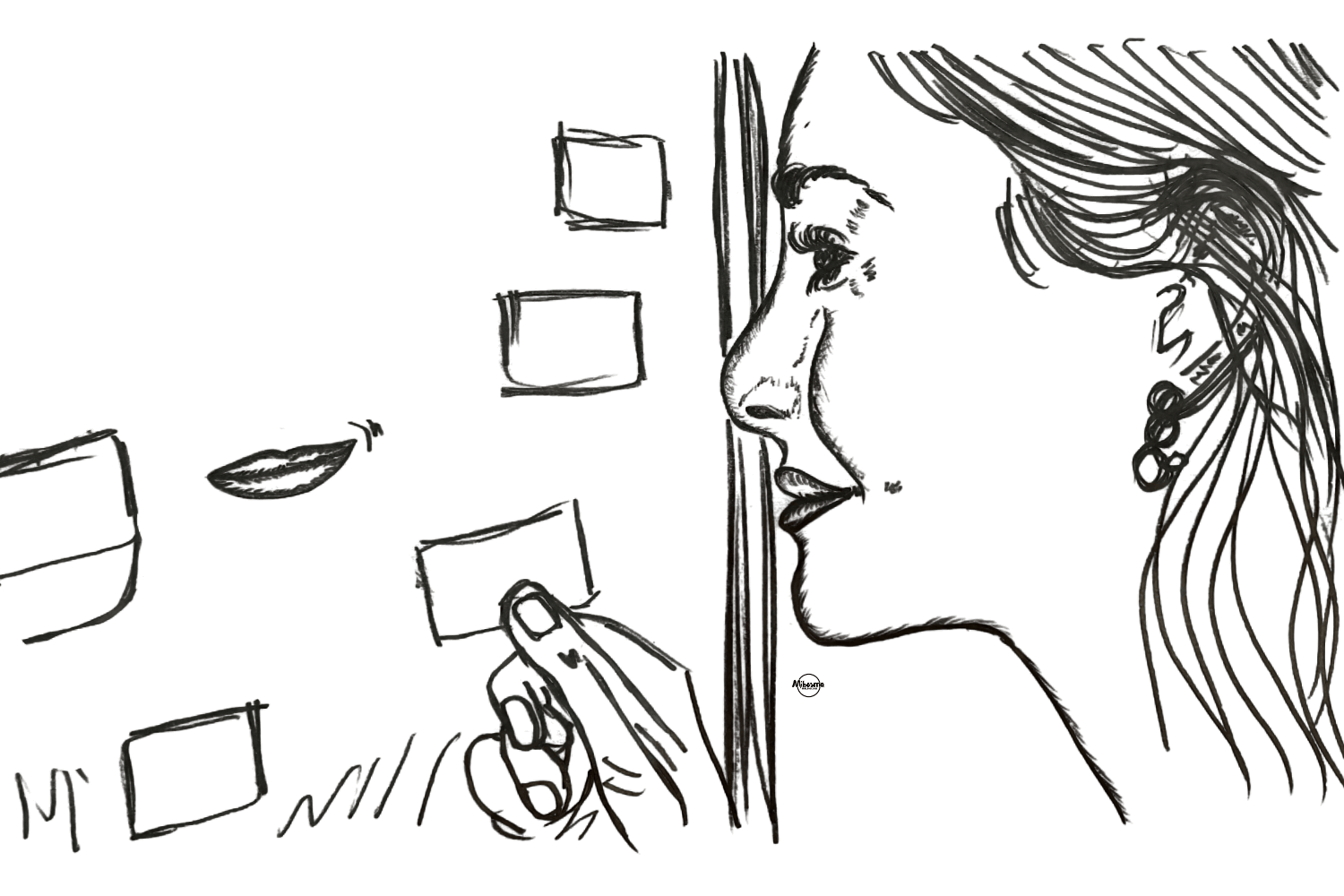
Laughter is not an escape —
it is a breath that travels through the body and returns us to presence.
Laughter Is a Part of My Healing Too
This was written on a day when laughter echoed through my body — not as distraction, not as release, but as restoration. A breath that moved through walls I didn’t know I’d built.
For many years, I believed healing was solemn work.
Healing was quiet.
Healing was focused.
Serious.
Laughing in the middle of healing felt frivolous.
It felt like a detour.
Like an evasion of something heavier, deeper, unprocessed.
I carried the belief that if healing was real, it had to feel heavy, dense, laborious.
But over time, something subtle began to shift.
Laughter started appearing in my days — not as avoidance — but as an embodied signal that something inside me was moving, releasing, regulating.
And slowly, I began to realize:
Laughter is not a distraction from healing.
It is a part of it.
The Misconception of Laughter in Healing
Culturally, we celebrate seriousness when we talk about healing.
We equate heavy emotion with meaningful progress.
We believe that the deeper the wound, the heavier the expression should be.
So when laughter emerges in the vicinity of pain or vulnerability, we often judge it:
“Are you not taking this seriously?”
“Is this just a shield?”
“Are you avoiding your feelings?”
But this judgment overlooks something essential:
Laughter can be an expression of regulation.
It is not always avoidance.
It is sometimes a sign that the nervous system feels safe enough to release tension.
Psychological health resources explain that laughter can reduce stress, relax the body, and activate the body’s natural relaxation response — supporting emotional resilience and restoring internal balance (see how laughter supports stress regulation – HelpGuide) .
This physiological shift is not surface-level.
It moves through the diaphragm, the ribcage, and the breath.
It softens the shoulders, deepens respiration, and sends signals of safety through the body.
Laughter, in this sense, is not the opposite of depth.
It can be a pathway toward integration.
A Childhood Memory I Thought I Had Outgrown
I remember laughing as a child — not politely, not in moderation — truly laughing.
My whole body shook.
My feet jumped.
My breath expanded and contracted in waves.
There was no control.
No regulation.
No effort to appear composed.
Just presence.
As I grew older, I learned to regulate that laughter.
I learned when laughter was “appropriate” and when it was not.
I learned to hold it back in serious conversations.
I learned to soften it in public settings.
I learned to control it so it would not seem out of place or misinterpreted.
Gradually, laughter became memory.
Not expression.
The First Time I Noticed Laughter in Healing
It happened quietly.
There was no dramatic moment.
No epiphany.
I was sitting with a friend — both of us talking about things that had hurt us.
We were honest.
We were vulnerable.
There was a moment when the tension in the room shifted.
A subtle exhale.
A shared softness in our posture.
A small laugh — gentle, unplanned.
At first, I felt a flicker of confusion:
Did I just laugh during a painful conversation?
Then I noticed something.
My breath lengthened.
My shoulders softened.
My spine relaxed — vertically, without collapsing.
It was not distraction.
It was coherence.
It was regulation.
And it moved through me like a breath I didn’t know I needed.
The Physiology of Laughter and Regulation
Laughter is not just a social expression.
It stimulates respiration.
It triggers muscular engagement.
It increases oxygen exchange.
According to physiological studies, laughter engages the diaphragm and activates a cascade of neurological responses that support emotional regulation and social connection.
This is not frivolous.
This is somatic intelligence.
The body knows what the mind has not yet fully understood:
Laughter is a signal of relief, restoration, and internal coherence.
The Nervous System and Emotional Integration
The nervous system dwells between states of tension and relaxation.
If we suppress expression — laughter included — the body holds tension.
If we deny movement — emotional or physical — the nervous system remains rigid.
But when laughter emerges amidst vulnerability, it signals a shift:
A movement from contraction toward regulation.
This shift is not shallow.
It is embodied integration.
An Evening When Laughter Became Medicine
I remember another evening — later, after a long period of emotional processing.
I had spent weeks reflecting on old wounds, patterns, fears.
My body felt weary.
My nervous system felt tense.
One night, I was lying on the couch — just lying, not thinking — just letting my breath widen and soften.
A wave of feeling washed through me.
It was not intense — just a soft vibration of emotion.
And then, unexpectedly, laughter rose in me.
Not full-bodied.
Not loud.
Just a small, spontaneous laugh that came from inside — not in reaction to anything external.
It traveled from my belly up through my chest.
It released tension in my jaw.
It lengthened my exhale.
In that moment, I felt something unwind inside me.
It was not avoidance.
It was release.
It was healing.
The Interplay Between Laughter and Breath
Breath connects the body to every system: autonomic, emotional, cognitive.
When we laugh, breath is released in irregular patterns.
These patterns interrupt chronic tension.
They stimulate the vagus nerve.
This stimulation supports parasympathetic regulation — the “rest and digest” state.
In this state, the body can metabolize emotion.
It can restore balance.
It can return to coherence.
The Fear of Appearing Fragile
Part of what held me back from laughing in the midst of pain was fear.
Fear of being misunderstood.
Fear of seeming frivolous.
Fear that laughter signaled lack of seriousness.
But deeper than that was a fear of vulnerability.
Laughter opens the belly.
It loosens control.
It invites unpredictability.
And that feels risky.
But risk is also connection.
And eventually, I discovered that laughter did not diminish depth.
It opened it.
Integration Through Laughter and Playfulness
Healing is not linear.
It is not solemn all the time.
It is rhythmic.
There are pulses of intensity.
Moments of stillness.
Moments of laughter.
Laughter arises when the nervous system begins to regulate.
It arises when tension releases.
It arises when presence returns.
A Practice for Embodied Laughter and Regulation
- Start seated or standing with your feet grounded.
- Take three slow breaths into your lower ribs.
- Allow your shoulders to relax.
- Think of a memory that makes you smile gently.
- Let laughter arise without force.
- Notice where in your body it travels.
- Check your breath — inhale, then exhale with a soft vibrational laugh.
Notice how the breath expands and contracts.
Notice how your posture softens without collapsing.
This is not avoidance.
This is somatic integration.
For deeper reflection, you can use the Self-Discovery Journal Prompts to explore how laughter and emotional regulation show up in your own life.
How Laughter Communicates Beyond Words
Laughter is a nonverbal language.
It communicates relief.
It communicates connection.
It communicates regulation.
It tells the body:
“You are safe.”
“You can relax.”
“You are not alone.”
And the nervous system responds.
It moves from contraction to coherence.
Final Reflection
I no longer see laughter as opposing seriousness.
I no longer see lightness as a contradiction of depth.
I no longer suppress joy when I am healing.
Laughter has become a companion.
It tells me I am present.
It tells me I am regulating.
It tells me I am healing.
Laughter is not a detour.
It is a path.
It is a breath that carries me back to myself.
FAQ — Laughter, Healing & Regulation
Is laughter a distraction from pain?
No. When laughter emerges in the midst of awareness and vertical presence, it is a sign of regulation. It supports integration, not avoidance.
Why does laughing help my nervous system?
Laughter stimulates respiration, engages the diaphragm, and activates neurological responses that support emotional regulation and parasympathetic balance.
Can laughter coexist with sorrow?
Yes. Laughter and sorrow can coexist. They are both expressions of a regulated nervous system responding to experience.
How can I tell if my laughter is grounding or avoiding?
Check your breath and posture. If your breath remains steady and your posture grounded, the laughter is likely integrating rather than avoiding.
Can laughter help me feel less alone?
Yes. Laughter connects us somatically and socially. It signals safety and coherence in the nervous system.