
Leaving Behind the Version of Me Who Only Survived.
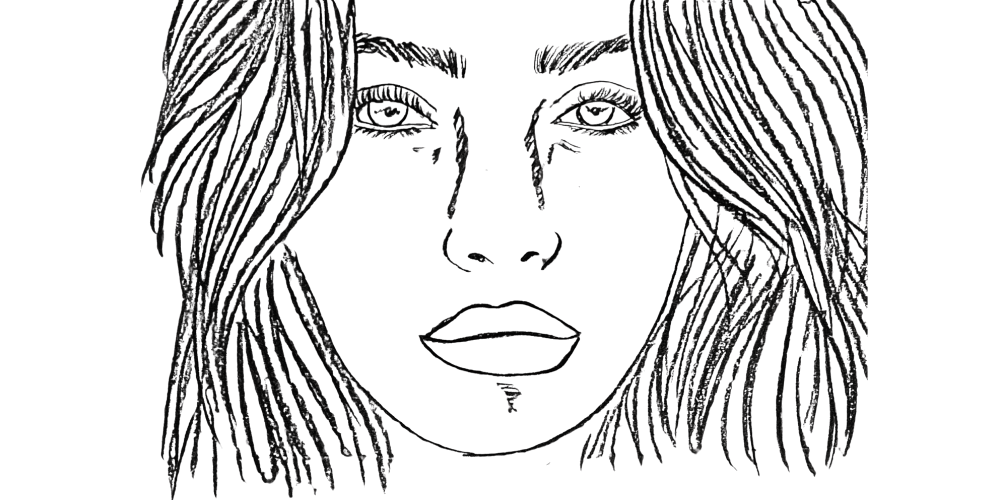
Leaving survival mode behind is more than a phrase — it’s the quiet edge between who I was and who I am becoming.
Affirmation: “I choose to live, not just survive.”
Leaving Behind the Version of Me Who Only Survived
There was a time when survival was my only goal.
I measured days by how well I could endure, how much I could hold in, how quickly I could push through.
That version of me was strong, resourceful, and determined.
But she was also tired.
She didn’t have the space to dream, to soften, to play.
She woke up already braced — as if the day was something to defend herself from.
Her shoulders rose before her feet touched the floor.
Her breath stayed high in her chest.
Her thoughts ran ahead like guards, scanning for problems.
Even rest felt like a task to complete.
And the truth is: she wasn’t wrong for living that way.
Survival mode often begins as wisdom.
It appears when life feels unpredictable, unsafe, or emotionally expensive.
It helps us keep going when we don’t have the luxury to fall apart.
But what kept me alive isn’t always what will help me feel alive.
Now, I want more than endurance.
I want depth, colour, and presence.
And to have that, I must thank the survivor in me — and let her rest.
What Survival Mode Really Feels Like (In the Body)
Survival mode isn’t only a mindset.
It’s a body state.
A nervous system posture.
A quiet emergency that lasts too long.
When I’m in survival mode, I notice it in small places first:
my jaw.
my belly.
the way my breath becomes shallow without me realizing.
my attention — always split.
It can look like:
• always feeling “behind,” even when nothing is urgent
• reacting quickly because pausing feels dangerous
• difficulty resting without guilt
• overthinking as a form of control
• saying “I’m fine” while the body stays tight
• being productive, but never truly present
In survival mode, the body stays in a readiness state — as if something might happen.
Even when the room is quiet, the nervous system isn’t convinced yet.
It keeps the alarm on “just in case.”
And that state, over time, becomes exhausting.
Not because we are weak — but because alertness is expensive.
“I wasn’t lazy. I was living on high alert for too long.”
Honouring the Survivor Without Staying Her
Survival mode taught me skills I will always carry: adaptability, grit, and focus.
It taught me how to keep moving when I didn’t know what else to do.
It taught me how to stay functional when my inner world was loud.
But it also kept me in constant alertness.
It trained my body to believe that calm is suspicious.
That joy is temporary.
That softness is unsafe.
Choosing to leave that mode behind doesn’t erase what I’ve learned —
it frees me to use those strengths in a life built on joy, not just necessity.
It’s important to say this gently:
you don’t “break” out of survival mode by forcing yourself to be positive.
You don’t shame your way into safety.
You don’t push harder and call it healing.
You leave survival mode by showing your nervous system consistent proof:
we are safe enough now to soften.
“The tools I needed to survive are not the only ones I will need to live.”
Breath: A Gentle Signal to the Nervous System
The breath is one of the simplest bridges between surviving and living.
Not because breathing makes life perfect —
but because it tells the body something the mind often forgets:
this moment is not an emergency.
Survival mode often comes with a pattern: the inhale feels rushed, the exhale feels incomplete.
We hold our breath without noticing.
We breathe as if we’re trying to get through the moment instead of inhabiting it.
When I want to step out of that state, I don’t chase “calm.”
I chase space.
Just a little more space inside the ribcage.
A little more room in the belly.
A little more time between stimulus and reaction.
Here’s a simple practice I return to:
1) Inhale softly through the nose for a natural count.
2) Exhale slightly longer, as if you’re fogging a mirror.
3) Let your shoulders drop on the exhale.
4) Whisper internally: “Right now, I am here.”
Even one minute of this can be a turning point —
not because it erases stress,
but because it interrupts the old reflex of bracing.
How to Step Into Living Fully
Transitioning from leaving survival mode behind to living is not a sudden leap —
it’s a series of small, intentional choices.
I start by adding moments that aren’t about fixing or coping:
a slow morning,
a creative project,
a walk without a destination,
music in the background while doing nothing productive.
These are not “small” things.
They are acts of presence that remind me life is more than endurance.
Living fully doesn’t mean nothing hard ever happens.
It means hard things no longer get to define the entire atmosphere of my life.
It means I don’t postpone aliveness until everything is resolved.
I’m learning to recognize the difference between:
Survival: “I just need to get through this.”
Living: “I’m allowed to be here while this is happening.”
If you want a companion piece for releasing what keeps you stuck,you can also read my article Choosing Clarity Over Attachment,which explores how letting go of what no longer serves opens space for what nourishes.
Small Signs You’re Leaving Survival Mode Behind
The shift can be quiet.
You might not notice it at first.
But slowly, certain things begin to change:
• your breath gets deeper without effort
• you stop rushing to explain yourself
• you can pause before reacting
• you feel joy without immediately scanning for what could ruin it
• your body softens in safe places
• you choose rest without turning it into punishment
These are quiet proofs.
They tell you your nervous system is beginning to trust life again.
What Helps the Body Feel Safe Again (Practical & Gentle)
If you’ve lived in survival mode for a long time,
your system may need repeated reminders.
Not once.
Repeatedly.
Here are a few practices that helped me, in a realistic way:
• Create “buffers”: small pauses between tasks, plans, or social time.
• Soften stimulation: reduce notifications, background noise, constant scrolling.
• Give your body anchors: water after waking, a short walk, a warm drink, a slow stretch.
• Practice one honest boundary: one “not today,” one “I need time,” one “I’ll answer later.”
• Do one thing for joy: not as reward — as nourishment.
These aren’t “life hacks.”
They’re signals.
They tell your body: we are not in crisis anymore.
“My healing didn’t arrive as a breakthrough. It arrived as a pattern of safety.”
Journal Prompt: Moving Beyond Survival Mode
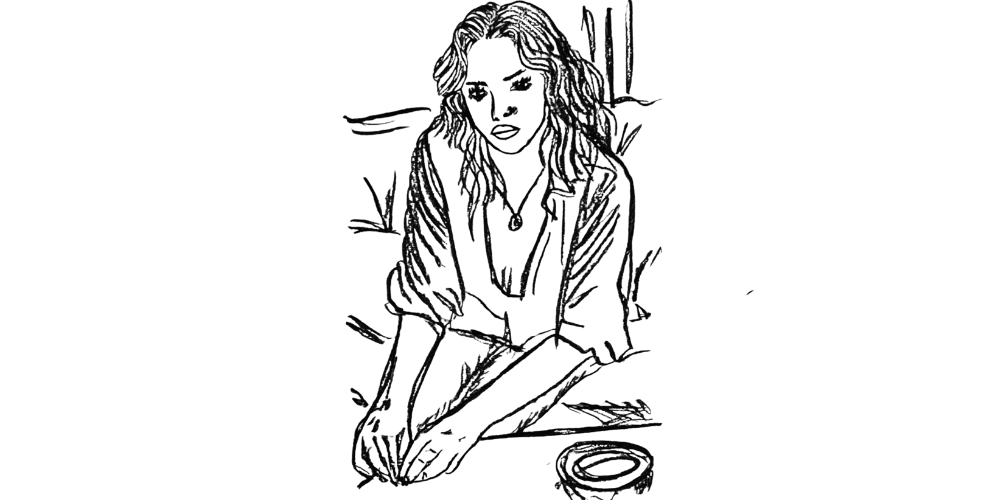
In your journal, write a letter to the version of you who kept going against all odds.
Thank them for their strength, and then tell them it’s safe to rest now.
Then list three things you want to experience this month that are about joy, not survival.
Not huge goals.
Simple things you can feel in your body.
For example:
a slow breakfast,
a walk under the sun,
an afternoon without rushing,
a creative moment that isn’t judged.
My Self-Discovery Journal Prompts include a section to help you imagine and design a life beyond survival mode — gently, without pressure.
FAQ — Leaving Survival Mode Behind (Gently)
How do I know I’m in survival mode?
If your body feels constantly tense, your mind feels constantly busy, and rest feels difficult or guilty,
you may be living in a state of prolonged alertness — even if nothing is “wrong” today.
Can I leave survival mode without changing my whole life?
Often, yes. The first shifts are internal: breath, boundaries, nervous system care, and small daily choices.
Big life changes can come later — but safety starts in smaller steps.
Why does calm feel uncomfortable sometimes?
If your body learned to associate alertness with safety, calm can feel unfamiliar at first.
That doesn’t mean calm is wrong — it means your system is learning a new home.
For further insight, I recommend the Tiny Buddha post — Raised on Their Best Intentions — Healed on My Own Terms ,which carries a similar reminder: you can honor what you survived — and still choose to live.
Leaving behind the version of me who only survived is not a betrayal — it’s the most loving thing I can do for the life I’m building now.
I can thank the survivor.
I can honor her strength.
And I can tell her, softly:
“You don’t have to hold everything anymore.”