
How I Let Myself Have Fun Again.
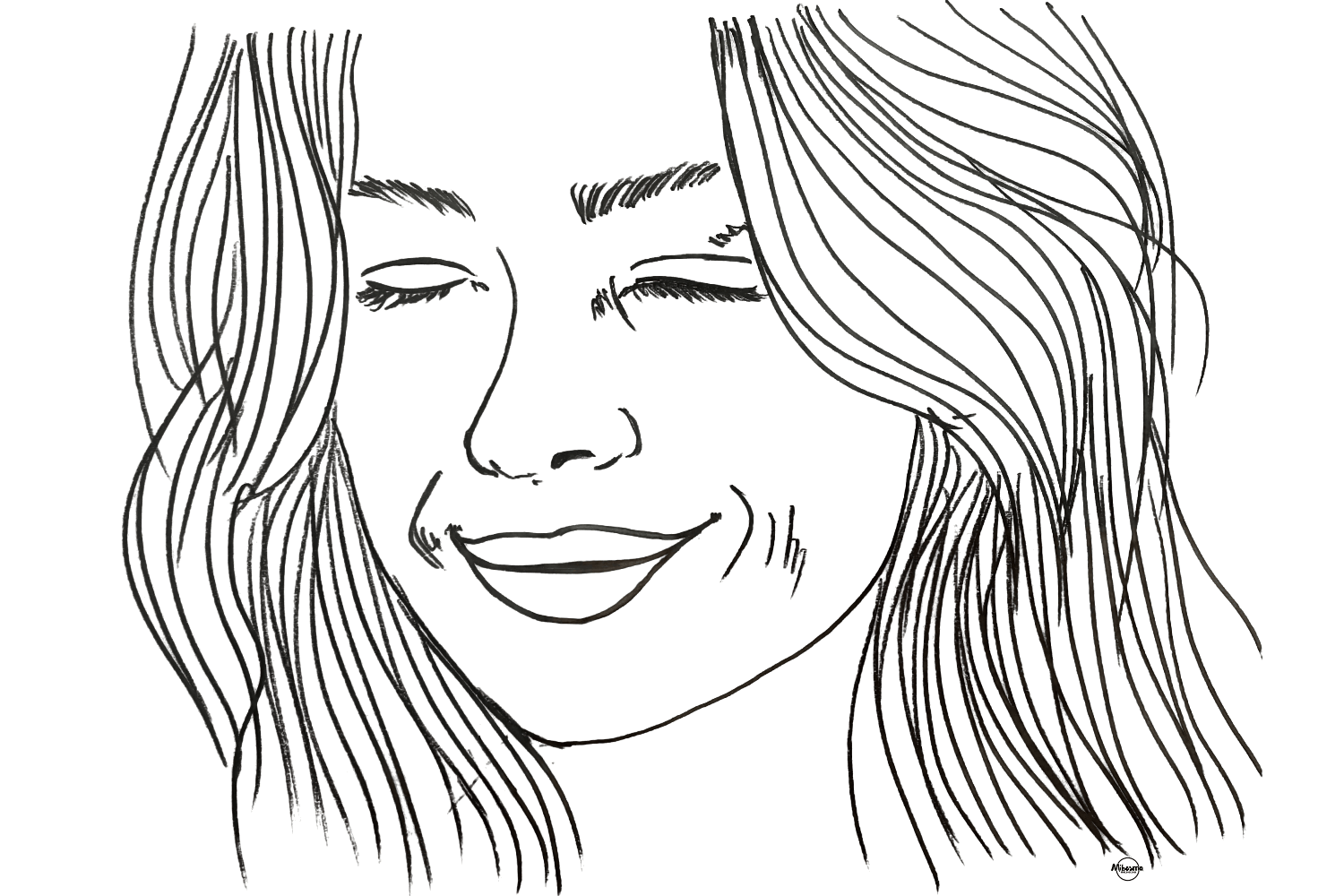
Fun did not return loudly. It returned when I stopped asking permission to feel light.
How I Let Myself Have Fun Again
This was written on an afternoon when I laughed unexpectedly — and instead of silencing it, I let it stay.
There was a time when fun felt irresponsible.
Immature.
Unnecessary.
Almost suspicious.
I had things to figure out.
Goals to reach.
Questions to answer.
Seriousness felt productive.
Fun felt like distraction.
So I postponed it.
I told myself:
“Later.”
“When things are stable.”
“When I deserve it.”
But later kept moving.
When Everything Became About Improvement
At some point, I turned my life into a constant self-development project.
Every habit had to serve growth.
Every conversation had to be meaningful.
Every quiet moment had to be optimized.
I was not living.
I was managing myself.
Tracking progress.
Correcting patterns.
Analyzing reactions.
I confused awareness with pressure.
And slowly, I became tired of being a project.
The Day I Noticed I Had Forgotten How to Play
I was sitting with someone who laughed easily.
Not dramatically.
Not performatively.
Just naturally.
They told a small, silly story.
I felt the impulse to laugh.
But something inside me hesitated.
A quiet voice said:
“Stay composed.”
“Don’t be too much.”
“Don’t lose control.”
And in that pause, I realized something.
I had trained myself out of spontaneity.
Why Fun Felt Unsafe
Fun requires looseness.
It requires not monitoring yourself every second.
It asks you to drop the performance of maturity.
And for someone who learned safety through control, that can feel threatening.
Control says:
“Stay alert.”
“Stay sharp.”
“Stay ahead.”
Fun says:
“Relax.”
“Let go.”
“Trust the moment.”
Letting go felt risky.
But holding on constantly was exhausting.
Fun Is Not the Opposite of Depth
I used to believe serious people were deeper.
That laughter meant superficiality.
That play meant avoidance.
I was wrong.
Some of the deepest conversations I’ve had were followed by laughter.
Some of the most grounded people I know are light.
Fun does not cancel depth.
It protects it from becoming heavy.
The First Small Experiment
I did not wake up one day transformed.
I began quietly.
I watched something without analyzing it.
I danced alone in my room without correcting my movements.
I sent a voice message without rehearsing it three times.
At first, it felt uncomfortable.
My body was tense.
But slowly, something softened.
There was relief in not performing competence.
When I Realized I Was Allowed
No one had told me I could not have fun.
I had told myself.
I had linked worth to productivity.
Maturity to restraint.
Growth to effort.
Fun did not seem to fit the image of the person I was trying to become.
But maybe the image was too narrow.
Maybe wholeness includes lightness.
The Body Remembers Play
There is something instinctive about fun.
A small spark in the chest.
A widening behind the eyes.
A looseness in the shoulders.
I noticed that when I allowed myself to enjoy something fully, my breathing deepened.
There was no future in that moment.
No improvement plan.
Just presence.
Play researchers and psychologists have long explored how play supports resilience, creativity, and emotional regulation across the lifespan — not only in childhood but in adulthood as well. Research on why adults need playtime highlights how unstructured fun supports mental wellbeing, reduces stress, and enhances adaptive emotional processing
Why Adults Need Play Time – Texas A&M-Corpus Christi
.
Fun is not regression.
It is nervous system restoration.
The Guilt That Followed
The first times I truly relaxed, guilt appeared quickly.
“Shouldn’t you be working?”
“Shouldn’t you be improving something?”
“Shouldn’t you be fixing what’s still unresolved?”
I noticed the guilt without obeying it.
That was new.
Fun does not eliminate responsibility.
It makes responsibility sustainable.
How I Redefined Maturity
Maturity is not constant seriousness.
Maturity is flexibility.
The ability to be grounded and playful.
Focused and relaxed.
Responsible and light.
I stopped trying to appear strong.
I started allowing myself to feel alive.
Fun as Self-Trust
When I let myself enjoy something without overthinking it, I send myself a message:
“You are safe right now.”
“You do not need to brace.”
“You are allowed to experience this fully.”
That message changes something internal.
It reduces hypervigilance.
It softens perfectionism.
It interrupts overcontrol.
The Subtle Forms of Fun
Fun does not have to be loud.
Sometimes it is:
- Singing softly while cooking.
- Trying something new without expecting mastery.
- Sending a playful message.
- Laughing at your own clumsiness.
- Choosing color over neutrality.
Fun is not always entertainment.
Sometimes it is freedom from self-surveillance.
When Fun Meets Integrity
I no longer use fun to escape discomfort.
I use it to balance it.
If something requires my attention, I give it attention.
But I no longer believe that suffering proves depth.
There is strength in showing up.
And there is strength in resting the weight.
Fun does not make me less serious about life.
It makes me more capable of loving it.
If Fun Feels Far Away
If you feel disconnected from lightness, begin gently.
Ask yourself:
What did I enjoy before I began managing myself?
What made time disappear?
What felt effortless?
You do not need to force enthusiasm.
Start with curiosity.
If journaling helps you reconnect with forgotten parts of yourself, you can explore reflection prompts inside the Self-Discovery Journal Prompts.
Fun often returns when pressure decreases.
The Moment I Knew Something Had Changed
I laughed one day — fully.
No internal monitoring.
No quick composure.
The sound surprised me.
It was open.
Afterward, I did not feel irresponsible.
I felt human.
Alive in a way that productivity alone never gave me.
Final Reflection
I used to believe I had to earn lightness.
Now I understand something simpler.
Lightness is part of being whole.
I still care deeply.
I still reflect.
I still grow.
But I no longer confuse tension with strength.
Fun is not the opposite of depth.
It is depth that learned how to breathe.
And slowly, gently,
I am letting myself live fully again.
FAQ — How I Let Myself Have Fun Again
Is having fun avoiding responsibility?
No. Healthy fun supports emotional regulation and resilience. It helps you sustain responsibility rather than escape it.
Why does fun feel uncomfortable after long stress?
If you are used to vigilance, relaxation may feel unfamiliar. The nervous system needs time to adjust to safety.
How can I reconnect with play as an adult?
Start small. Try low-pressure activities without performance expectations. Curiosity is more important than outcome.
What if I feel guilty enjoying myself?
Notice the guilt without obeying it. Joy and fun do not reduce your worth; they support it.
Can fun and personal growth coexist?
Yes. Sustainable growth includes rest, lightness, and moments of play.