
Lightness Doesn’t Mean Shallow.
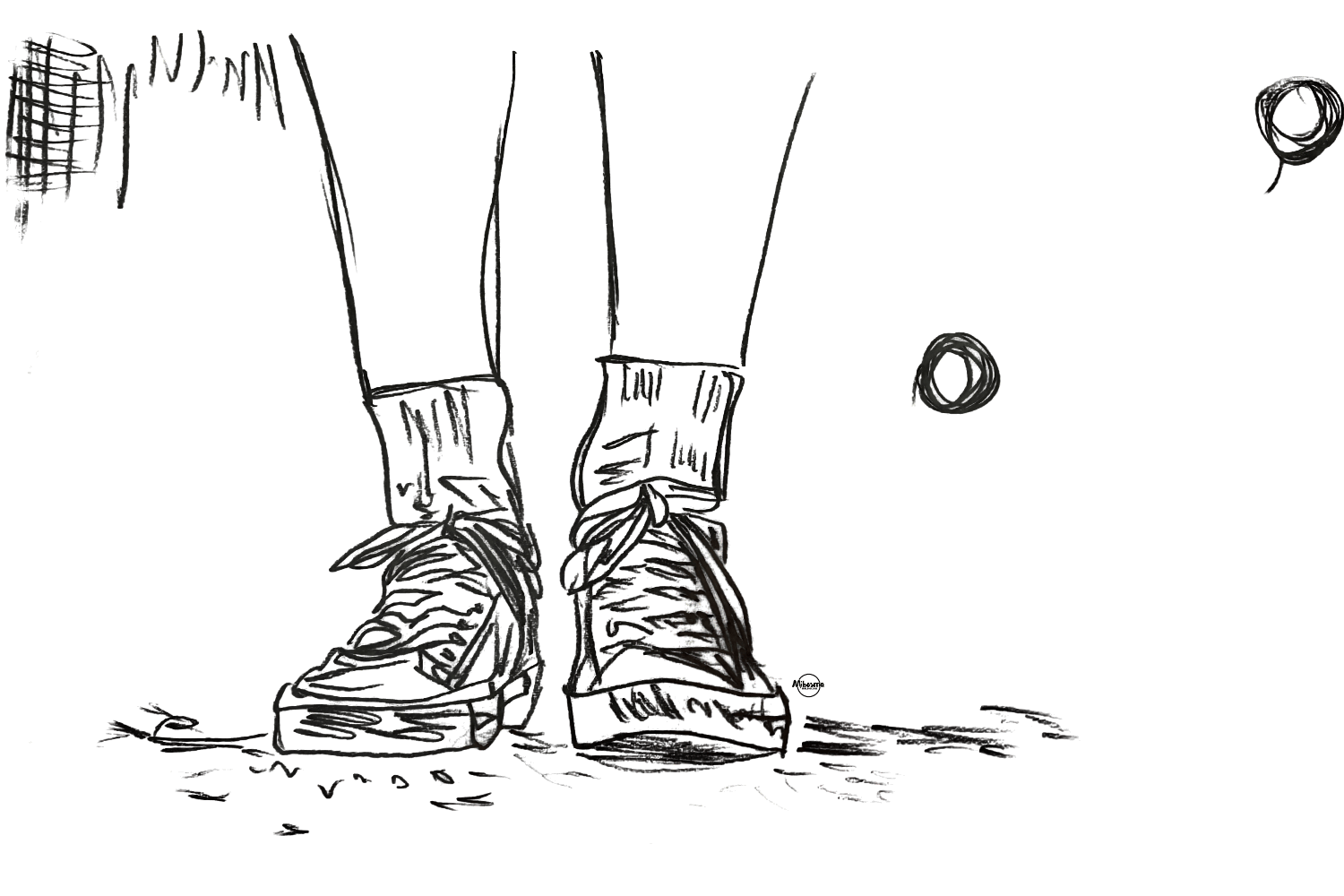
Lightness is not the absence of depth.
It is depth that has learned how to breathe.
Lightness Doesn’t Mean Shallow
This was written on a morning when the air felt thin but steady — when light entered the room quietly and I realized that softness can carry gravity without tension.
For many years, I mistrusted lightness.
If something felt easy, I questioned its seriousness.
If something felt soft, I wondered if I was overlooking something deeper.
If something felt calm, I searched for hidden complexity.
I had internalized a belief that depth must feel dense.
Dense in tone.
Dense in posture.
Dense in emotional weight.
I equated seriousness with intelligence.
I equated tension with maturity.
I equated visible gravity with credibility.
But over time, my body began teaching me something different.
The moments when I felt most integrated — most aligned — most vertically stable — were not heavy.
They were spacious.
They were breathable.
They were regulated.
They were light.
The Cultural Conditioning of Density
We grow up observing subtle signals.
The serious person in the room is often assumed to be thoughtful.
The quiet one is often assumed to be deep.
The one who rarely laughs is often assumed to carry complexity.
Meanwhile, someone who smiles easily may be perceived as simplistic.
Someone who speaks gently may be perceived as less intense.
This conditioning shapes how we regulate ourselves.
We begin to associate visible compression with depth.
Compression in the diaphragm.
Compression in the jaw.
Compression in the tone of voice.
But compression is not depth.
Compression is effort.
Depth is resonance.
Resonance does not require tension.
An Early Memory of Suppressed Lightness
I remember sitting at a table during a serious conversation.
The room was quiet.
Voices were measured.
Postures were upright.
At some point, something genuinely funny happened.
I felt laughter rise naturally from my diaphragm.
But I stopped it halfway.
I tightened my abdomen.
I shortened my exhale.
I pressed my lips together.
Because somewhere inside me was the belief that lightness would weaken my credibility.
That was the beginning of a subtle pattern.
I learned to regulate my brightness.
I learned to narrow my gestures.
I learned to contain my softness.
And slowly, I began equating depth with tension.
The Somatic Cost of Constant Compression
Suppressed lightness leaves traces in the body.
- The breath becomes upper and shallow.
- The diaphragm loses elasticity.
- The shoulders lift slightly and remain elevated.
- The spine stiffens instead of aligning naturally.
Over time, this becomes the new baseline.
Tension begins to feel like seriousness.
Rigidity begins to feel like maturity.
But rigidity is not stability.
True stability is vertical alignment without constriction.
It is weight distributed evenly through the feet.
It is breath descending fully into the lower ribs.
It is presence without force.
The Evening That Changed My Understanding
One evening, after a day filled with emotional depth, I sat alone on the floor of my apartment.
I had held space for someone’s pain.
I had navigated my own reactions.
I had remained attentive and grounded.
By the end of the day, I expected heaviness.
Instead, I felt light.
At first, I mistrusted it.
Was I bypassing something?
Was I avoiding discomfort?
So I scanned my body carefully.
My feet were grounded against the floor.
My pelvis felt balanced.
My spine elongated naturally.
My breath descended into my lower ribs.
My exhale was longer than my inhale.
No constriction.
No dissociation.
No fragmentation.
What I felt was integration.
The emotional material had moved through my nervous system.
The experience had been metabolized.
What remained was spaciousness.
Lightness.
Not because nothing mattered — but because everything had been processed.
Lightness After Emotional Regulation
Research on emotion regulation and psychological health shows that adaptive regulation supports resilience and internal coherence (Emotion Regulation and Psychological Health – PubMed Central).
When emotional experiences are acknowledged rather than suppressed, the nervous system returns to balance.
Breath deepens.
Muscles soften.
Vertical alignment restores.
This regulated state often feels lighter.
But this lightness is not emptiness.
It is post-integration stability.
The Vertical Axis of Authentic Presence
I began studying how lightness felt along my vertical axis.
When lightness was shallow, my body felt unanchored.
The breath remained high in the chest.
The spine lost its rooted base.
When lightness was integrated:
- Weight dropped through the heels.
- Knees softened slightly.
- Pelvis aligned.
- Spine rose gently without stiffness.
- Breath expanded laterally into the ribs.
This is grounded lightness.
Softness resting on structure.
The Ocean at Dusk
I once walked alone along the shoreline at dusk.
The sky was pale and steady.
The air cool but calm.
I felt light.
But each step pressed firmly into the sand.
The ground resisted gently beneath my feet.
There was gravity beneath the softness.
There was weight beneath the ease.
And I understood something clearly:
Lightness does not remove depth.
It coexists with it.
Why We Fear Being Perceived as Shallow
Much of our tension around lightness is social.
We fear being misread.
We fear losing credibility.
We fear appearing less intelligent.
But credibility grounded in internal coherence does not depend on visible heaviness.
Stability radiates through breath and posture.
Presence speaks through regulation.
Softness does not reduce depth.
It reveals integration.
Softness as Resilient Strength
Rigid systems break under pressure.
Flexible systems adapt.
Softness that emerges from grounding increases resilience.
It allows emotional movement without collapse.
It allows joy without dissociation.
It allows expression without fragmentation.
It is strength without hardness.
A Gentle Embodied Practice
- Stand barefoot on solid ground.
- Drop your weight into your heels.
- Soften your knees slightly.
- Lengthen your spine upward.
- Inhale slowly through your nose for four counts.
- Exhale for six counts.
- Allow a soft smile without forcing it.
Notice whether your breath remains steady.
Notice whether your posture remains vertical.
If yes, you are experiencing grounded lightness.
To explore this further, you can reflect using the Self-Discovery Journal Prompts.
Final Integration
I no longer compress myself to appear deep.
I no longer equate gravity with tension.
I no longer mistrust softness.
My depth is resonant.
My stability is breathable.
My lightness is anchored.
Lightness doesn’t mean shallow.
It means integrated.
It means metabolized.
It means whole.
FAQ — Lightness and Emotional Depth
Does lightness mean avoidance?
No. When breath and posture remain regulated, lightness reflects integration rather than avoidance.
How do I know if my lightness is authentic?
Check your breath, your feet, and your spinal alignment.
Why do we equate heaviness with depth?
Cultural conditioning links seriousness with credibility.
Can softness increase resilience?
Yes. Regulated softness enhances adaptive flexibility.
How can I cultivate grounded lightness?
Practice breath regulation, vertical alignment, and embodied awareness.