
Living Like Art: Gentle, Bold, and Free.
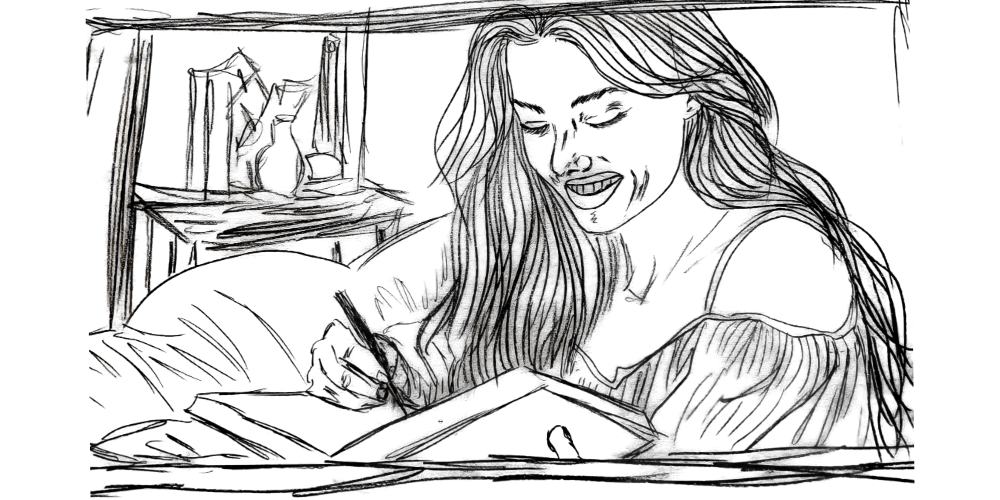
Living like art doesn’t mean being perfect.
It means being present enough
to let life move through you — gently, boldly, freely.
Living Like Art: Gentle, Bold, and Free
For a long time, I believed art and life belonged to two separate worlds.
Art was allowed to be slow, imperfect, expressive.
Life, on the other hand, had to be functional, efficient, and controlled.
I tried to manage life the way one manages a task list.
I tried to correct emotions instead of listening to them.
I tried to optimize moments instead of inhabiting them.
What slowly unraveled is this truth:
life becomes livable when approached the way art is created — with presence, tolerance for imperfection, and respect for rhythm.
This article explores what it truly means to live like art — not as a poetic idea, but as a **nervous-system-informed way of being** that reshapes stress, embodiment, emotional freedom, and inner regulation.
Why We Were Taught to Separate Art From Life
Most modern systems reward predictability.
School systems, work environments, and social norms often value consistency, speed, and measurable outcomes.
Art, by contrast, was given permission to be:
- Slow
- Messy
- Exploratory
- Emotionally expressive
This division taught us something subtle but powerful:
Life must be controlled. Expression is optional.
From a nervous system perspective, this creates chronic low-grade activation — always adjusting, monitoring, correcting.
Living like art invites a different internal posture:
one of regulated engagement rather than constant self-management.
The Nervous System Foundation of Creative Living
Creativity does not begin in the mind.
It begins in the nervous system.
When the nervous system perceives safety, curiosity expands.
When it perceives threat, rigidity increases.
This is why chronic stress narrows expression.
The parasympathetic nervous system — associated with calm engagement — supports:
- Emotional flexibility
- Sensory richness
- Creative problem-solving
- Authentic self-expression
Living like art means cultivating enough internal safety to explore life without excessive self-protection.
Stress, Control, and the Loss of Aliveness
Stress does not only exhaust the body.
It compresses perception.
Under prolonged stress, the brain prioritizes:
- Efficiency over depth
- Predictability over possibility
- Control over exploration
This is why life can begin to feel mechanical, even when things are “working.”
Creative living reintroduces aliveness by restoring perceptual range.
Breath as the First Creative Gesture
Breath is the most immediate way to change how life is experienced.
Shallow, rapid breathing signals urgency.
Slow, extended exhalation stimulates the vagus nerve, allowing the body to soften.
When breath slows:
- Muscle tension decreases
- Attention widens
- Emotional nuance becomes accessible
Every creative shift begins with a regulated breath.
Living like art begins where the body stops bracing.
Gentleness as a Form of Precision
Gentleness is often misunderstood as weakness.
In reality, gentleness requires awareness.
It is the ability to respond with just enough force — no more, no less.
From a physiological perspective, gentleness preserves nervous system resources.
It allows sustained engagement without collapse.
Living gently does not mean avoiding life.
It means staying responsive rather than reactive.
Boldness Without Aggression
Boldness in creative living is not loud.
It is honest.
It means allowing expression without distortion.
Boldness emerges when the nervous system trusts that authenticity will not lead to abandonment or danger.
This trust develops gradually through self-attunement.
Freedom Is an Internal Capacity
Freedom is not only external choice.
It is internal mobility.
A free nervous system can move between emotional states without becoming stuck.
Living like art means allowing emotions to pass through rather than controlling them prematurely.
Freedom grows where regulation exists.
The Body as Living Canvas
The body records experience.
Posture, breath, muscle tone reflect how life has been navigated.
Approaching the body as a canvas shifts the relationship from judgment to care.
Small embodied adjustments — releasing the jaw, softening the shoulders, deepening breath — are acts of creative revision.
Presence Transforms Ordinary Life
Art does not require extraordinary materials.
It requires attention.
Presence allows everyday moments to acquire texture, depth, and meaning.
This is how life becomes expressive rather than repetitive.
Why Creative Living Can Feel Threatening
Creative living involves uncertainty.
For nervous systems shaped by unpredictability, structure feels safer.
Living like art must therefore be introduced gently.
Safety precedes freedom.
Emotional Integration as Creative Capacity
Unprocessed emotions limit expression.
They consume internal resources.
Presence allows emotions to complete their natural cycle, restoring flexibility.
This is why emotional regulation and creativity are inseparable.
Structure That Serves Expression
Art has structure.
So does life.
The difference lies in intention.
Living like art means using structure as a container, not a cage.
Daily Practices That Support Artistic Living
Creative living develops through small, repeated acts:
- Slowing the breath during transitions
- Allowing pauses between actions
- Listening to bodily signals
- Choosing response over reaction
If reflective writing supports your process, you can explore gentle prompts inside the Self-Discovery Journal Prompts.Writing translates embodied awareness into clarity.
External Support for Spacious Awareness
Sometimes presence is easier with guidance.
This gentle practice supports calm, spacious awareness and creative regulation:
Discovering the Healing Spaciousness of Silence
Use it as inspiration, not obligation.
Creative Living and Emotional Resilience
Flexibility is the foundation of resilience.
Living like art trains the nervous system to adapt without rigidity.
This reduces stress accumulation and supports emotional balance.
Letting Life Remain Unfinished
Art is rarely complete.
Neither is life.
Allowing incompletion reduces internal pressure and keeps curiosity alive.
Final Reflection
Living like art is not about aesthetics.
It is about relationship.
A relationship with life that is gentle enough to feel, bold enough to express, and free enough to evolve.
Presence becomes the medium.
Life becomes the composition.
Bonus: FAQ — Living Like Art
Is living like art practical?
Yes. It involves small shifts in attention and regulation rather than dramatic lifestyle changes.
Can this reduce stress?
Yes. Creative presence activates parasympathetic regulation.
Is this mindfulness?
It is embodied mindfulness — awareness lived through the body.
Does creativity require talent?
No. Creative living is about perception, not performance.
Why does gentleness feel difficult?
Because urgency may feel familiar to the nervous system.
Can creativity coexist with responsibility?
Yes. Structure and creativity support each other when balanced.
How long does this shift take?
It develops gradually through repeated regulated moments.