
My Needs Are Still Valid on Calm Days.
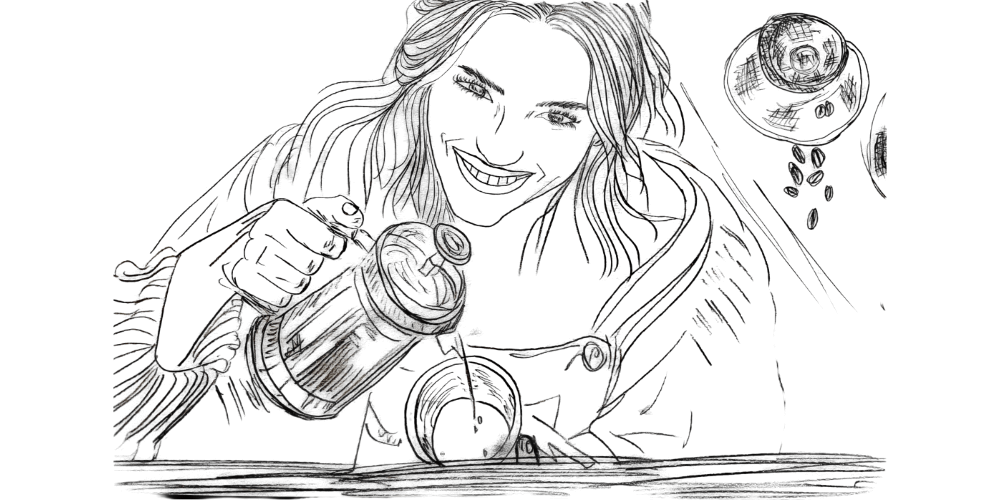
Quiet truth: My needs are still valid on calm days.
Affirmation: “I don’t need distress to deserve care.”
My Needs Are Still Valid on Calm Days
For a long time, I believed that needs only mattered when something was wrong.
When I was overwhelmed.
When I was anxious.
When I was close to breaking.
On calm days — days without arguments, urgency, or emotional turbulence — I learned to silence myself.
I told myself:
- “Everything is fine.”
- “I shouldn’t ask for more.”
- “I don’t want to disturb the peace.”
- “Nothing is missing.”
And yet, my body kept whispering a different truth.
A subtle tightness in my chest.
A quiet fatigue that rest didn’t resolve.
A sense of being present in life, but slightly absent from myself.
I wasn’t unhappy.
I was unlistened to — by myself.
Why Calm Makes Us Question Our Own Needs
Many of us unconsciously associate needs with crisis.
We learn early that needs appear when something is lacking, broken, or unstable. When emotions overflow. When relationships are strained. When life demands attention.
So when life becomes calmer — when conflict decreases, routines settle, and relationships stabilize — we assume needs should fade.
But this belief confuses two very different states:
- Absence of crisis
- Presence of nourishment
Calm does not automatically mean fulfilled.
Calm simply means the nervous system is no longer fighting for survival.
And paradoxically, this is when deeper needs finally have space to surface.
The Nervous System on Calm Days
When stress decreases, the nervous system begins to regulate.
Breathing slows.
Muscle tension softens.
Hypervigilance eases.
This regulated state is often misunderstood as “nothing happening.”
In reality, it is a state of receptivity.
When the body is no longer busy protecting itself, it becomes more sensitive to:
- emotional closeness
- subtle disconnection
- unspoken longing
- desire for reassurance
- need for presence without urgency
These needs were always present.
Stress simply drowned them out.
Calm gives them volume.
Why Needs Feel “Unreasonable” on Peaceful Days
On calm days, needs feel harder to justify.
They don’t come with panic.
They don’t demand immediate attention.
They don’t scream.
They whisper.
And whispers are easy to dismiss.
This is where guilt appears.
We start asking:
- “Why do I still want something?”
- “Am I being ungrateful?”
- “Why can’t I just enjoy what I have?”
But needs are not complaints.
They are signals of aliveness.
Ignoring them doesn’t preserve peace.
It slowly erodes it.
Needs Don’t Disappear — They Accumulate
When needs are ignored on calm days, they do not vanish.
They store themselves quietly in the body.
Over time, this accumulation may appear as:
- emotional distance in relationships
- irritability without a clear cause
- loss of desire or motivation
- sudden emotional reactions that feel “out of proportion”
- a vague sense of emptiness despite external stability
The issue is rarely the reaction itself.
The issue is how long the need waited.
Why Calm Is the Best Time to Listen
Most people wait for conflict to speak.
But conflict is not where clarity lives.
Calm is where safety exists.
On calm days:
- needs can be expressed without defense
- requests don’t feel like accusations
- boundaries don’t feel like rejection
- listening is possible without urgency
Responding to needs early prevents resentment later.
This is how emotional regulation stays stable.
This is how relationships remain breathable.
Calm Relationships and the Myth of “Nothing Is Wrong”
In stable relationships, calm is often mistaken for completion.
We tell ourselves that if there is no conflict, no crisis, no obvious problem — then everything must be okay.
But emotional intimacy is not maintained by the absence of problems.
It is maintained by responsiveness.
When needs are acknowledged during calm periods, relationships deepen quietly.
When they are ignored, distance grows invisibly.
Secure Attachment Is Built in Calm, Not Crisis
Secure attachment does not develop in emergencies.
It develops through consistent, low-intensity responsiveness.
When needs are met without escalation, the nervous system learns:
“I don’t have to break down to be seen.”
“I don’t have to perform distress to receive care.”
“I am allowed to need, even when everything looks fine.”
This is the foundation of emotional safety.
When life becomes calmer after long periods of emotional stress, the body doesn’t immediately reset.
The nervous system needs time to shift from survival to safety.
Harvard Health explains how the stress response works in the body and why calm can feel unfamiliar at first Understanding the Stress Response — Harvard Health
How the Body Signals Needs in Calm States
In calm, the body communicates subtly.
Not through panic — but through sensation.
You may notice:
- a desire to be held or reassured
- a longing for meaningful conversation
- a sense of emotional flatness
- a quiet sadness without a clear story
- fatigue that sleep doesn’t resolve
These are not signs of ingratitude.
They are signs of unmet connection.
Why We Learned to Silence Needs When Things Feel Stable
Many of us grew up in environments where needs were addressed only during visible distress.
Calm was rewarded with silence.
Need was equated with trouble.
So we internalized a rule:
“If I’m not struggling, I shouldn’t need anything.”
This rule does not create maturity.
It creates emotional self-abandonment.
Listening Without Creating Drama
Honoring needs on calm days does not mean creating problems.
It means responding early, gently, and honestly.
This might look like:
- naming a need without blame
- asking for presence instead of reassurance
- requesting closeness instead of testing distance
- expressing desire without apology
Needs expressed early are lighter.
Needs expressed late carry weight.
Journal Prompt — Listening to Needs in Calm
Write slowly:
“What do I need when nothing feels urgent?”
“How does my body signal unmet needs?”
“What do I usually silence to keep the peace?”
“What would gentle responsiveness look like?”
You are not creating tension.
You are preventing it.
For guided reflection, explore: Self-Discovery Journal Prompts
Calm Is Not the Absence of Need — It Is the Space to Honor It
My needs are still valid on calm days.
Because calm is not emptiness.
It is capacity.
Capacity to listen.
Capacity to respond.
Capacity to care before crisis.
Care that only exists in pain is unsustainable.
Care that exists in calm is what lasts.
My needs are still valid on calm days.
And honoring them is how calm remains safe.