
No One Can Tell My Story Like I Can.
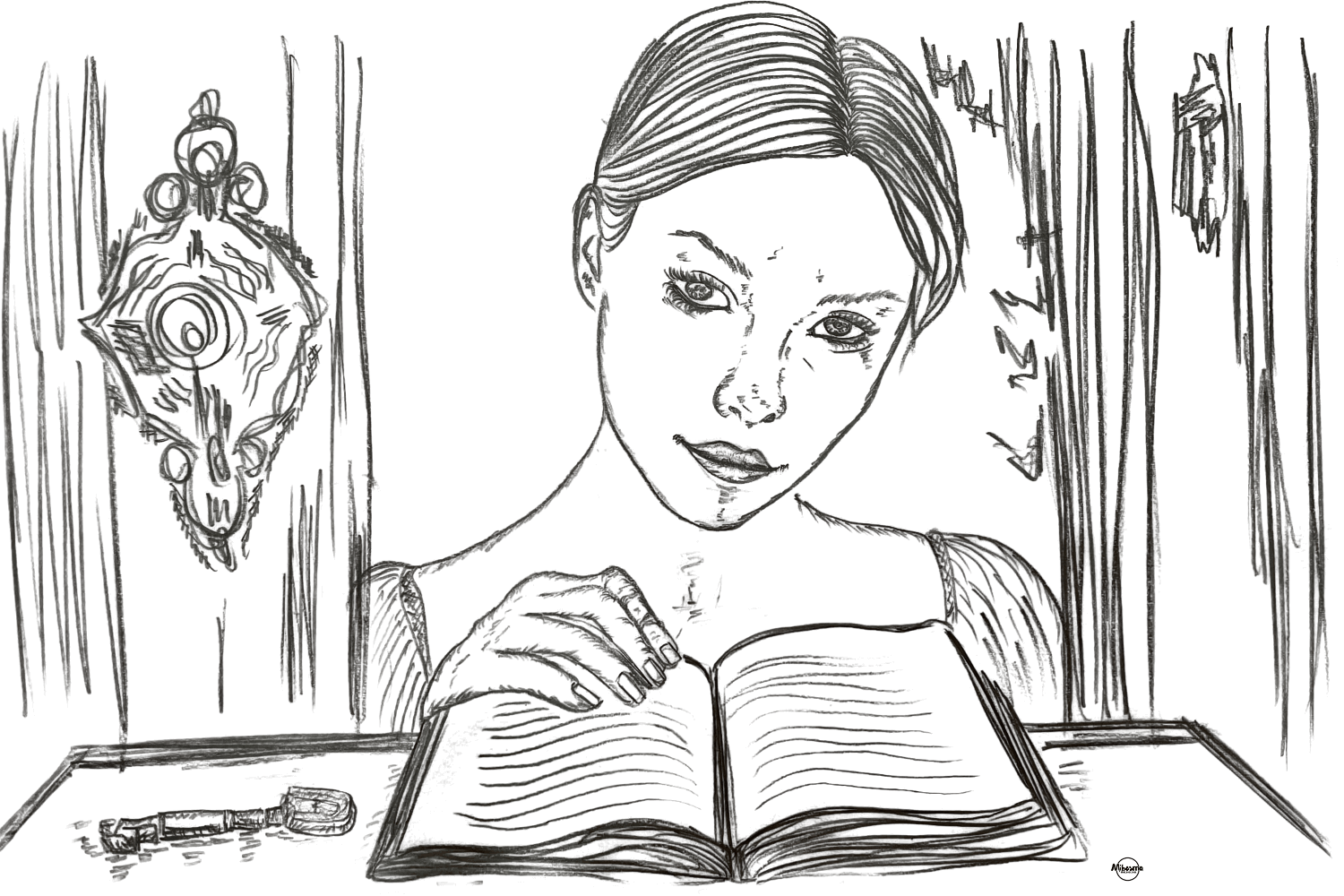
No one lived inside my silences. No one felt what I felt. This story is mine to tell.
No One Can Tell My Story Like I Can
This was written on a night when I realized how often I let others interpret my life for me.
There was a time when I believed that if someone misunderstood me, it was my responsibility to adjust.
If they described me as distant, I tried to be warmer.
If they called me sensitive, I tried to be stronger.
If they said I was overthinking, I tried to silence my thoughts.
I did not notice that slowly, quietly, I was allowing other voices to shape the outline of who I believed I was.
It did not happen in one dramatic moment.
It happened in small corrections.
Small doubts.
Small internal negotiations.
And because it was subtle, it felt harmless.
When Interpretation Replaces Experience
There is something strange about hearing someone explain you.
Sometimes they are close.
Sometimes they are wrong.
But even when they are wrong, if you do not interrupt gently, their version begins settling somewhere inside you.
I began replaying conversations differently.
Instead of asking, “What did I feel?”
I started asking, “Was I too much?”
Instead of trusting my discomfort,
I questioned whether it was valid.
Instead of standing beside my reaction,
I stood outside it, analyzing it from their perspective.
That shift is quiet.
But it changes everything.
I Lived the Inside. They Saw the Outside.
This is what I had to understand.
People see outcomes.
They see tone.
They see pauses.
They see reactions.
They do not see the full interior.
They do not see the hesitation before speaking.
The memory that was triggered.
The old wound that quietly opened.
The effort it took to stay calm.
No one else lived that part.
And if I abandon that inner truth just because someone else describes the scene differently, I erase myself gently.
The Moment I Realized I Was Shrinking My Story
There was a conversation I remember clearly.
Someone described an event we both experienced.
Their version was clean.
Logical.
Simple.
Mine was layered.
Emotional.
Complicated.
And instead of saying, “That’s not how it felt for me,”
I nodded.
That night, I could not sleep.
Not because of the disagreement.
But because I had not defended my own experience.
I had allowed it to dissolve quietly.
That was the night I wrote everything down.
The Page as a Place Where My Version Survives
When I wrote the memory, it changed.
Not the facts.
But the weight.
I described how my chest tightened.
How I felt dismissed.
How I stayed silent because I feared escalation.
On paper, my experience did not need validation.
It simply existed.
Research highlighted by the American Psychological Association suggests that writing about meaningful experiences can support emotional processing and psychological wellbeing, as explored in Writing to Heal .
But beyond research, I felt something simpler.
I felt believed.
By myself.
No One Can Tell My Story Like I Can
This sentence is not about superiority.
It is about proximity.
I am the only one who lived every thought that preceded my decisions.
I am the only one who carried the full emotional context of my reactions.
I am the only one who knows what I was trying to protect.
Other people can describe behavior.
Only I can describe meaning.
The Difference Between Memory and Narrative
Memory is what happened.
Narrative is how it lives inside us.
Two people can share the same event.
They will not share the same narrative.
And that does not make either one wrong.
But it means something important:
If I do not speak my narrative, it can disappear inside someone else’s version.
The Fear of Claiming Your Perspective
I was afraid to say, “That’s not how I experienced it.”
Because I thought it meant conflict.
I thought it meant confrontation.
I thought it meant being difficult.
But claiming your story does not require aggression.
It requires steadiness.
It can sound like this:
- “I understand your perspective. Mine felt different.”
- “I see it another way.”
- “That moment affected me more than you might realize.”
These are not loud sentences.
They are anchored ones.
Where I Used to Disappear
I used to disappear in three places:
- In disagreements.
- In misunderstandings.
- In emotional vulnerability.
Whenever tension rose, I reduced myself.
Not dramatically.
Quietly.
I would tell myself, “It’s fine.”
Even when it wasn’t.
That pattern did not destroy me.
It diluted me.
Reclaiming My Narrative Is a Slow Practice
This did not change overnight.
I still hesitate sometimes.
I still overthink certain conversations.
But now, when something feels misrepresented, I pause differently.
I ask:
“What was true for me?”
And then I honor that truth — even if I do not share it immediately.
Reclaiming my story begins privately.
Private Honesty Before Public Clarity
If speaking feels too large, writing can hold you first.
Inside the Self-Discovery Journal Prompts, you can explore your experience without interruption.
You can describe the memory without editing it.
You can say what you did not say then.
You can practice trusting your perception again.
Owning My Story Without Rewriting Others
This part matters.
Claiming my narrative does not require invalidating someone else’s.
It simply requires refusing to erase mine.
Two truths can coexist.
Two interpretations can stand.
But mine no longer disappears to maintain comfort.
The Quiet Confidence of Self-Witnessing
There is something stabilizing about saying internally:
“I know what I felt.”
Even if no one else confirms it.
Even if no one agrees.
Even if the room is silent.
Self-witnessing changes posture.
You stand differently.
You speak differently.
You hesitate less.
Not because you are louder.
But because you are less divided inside.
If You Have Been Doubting Your Own Story
Maybe you have been adjusting your memories to fit someone else’s explanation.
Maybe you have replayed events wondering if you imagined the tension.
Maybe you have minimized your discomfort to keep peace.
Your experience does not require unanimous agreement to exist.
It only requires your acknowledgment.
Final Reflection
I no longer need to win the narrative.
I only need to keep it.
No one else lived inside my body.
No one else carried my silent negotiations.
No one else felt the hesitation behind my decisions.
They can describe what they observed.
But only I can describe what it meant.
No one can tell my story like I can.
And this time,
I am not giving it away.
FAQ — No One Can Tell My Story Like I Can
What if my version of events conflicts with someone else’s?
Two people can experience the same moment differently. Your perspective does not erase theirs — and theirs does not erase yours.
Is it selfish to prioritize my narrative?
No. It is self-respect. Owning your experience allows healthier communication, not conflict.
How do I begin trusting my perception again?
Start by writing privately. Describe what you felt before you analyze it.
What if I’m afraid of confrontation?
You do not need confrontation. You need clarity. And clarity can be calm.
Why is writing helpful in reclaiming my story?
Writing slows thoughts down and anchors memory. It helps you distinguish between what happened and how it lived inside you.