
My Truth Doesn’t Need to Be Loud to Be Real.
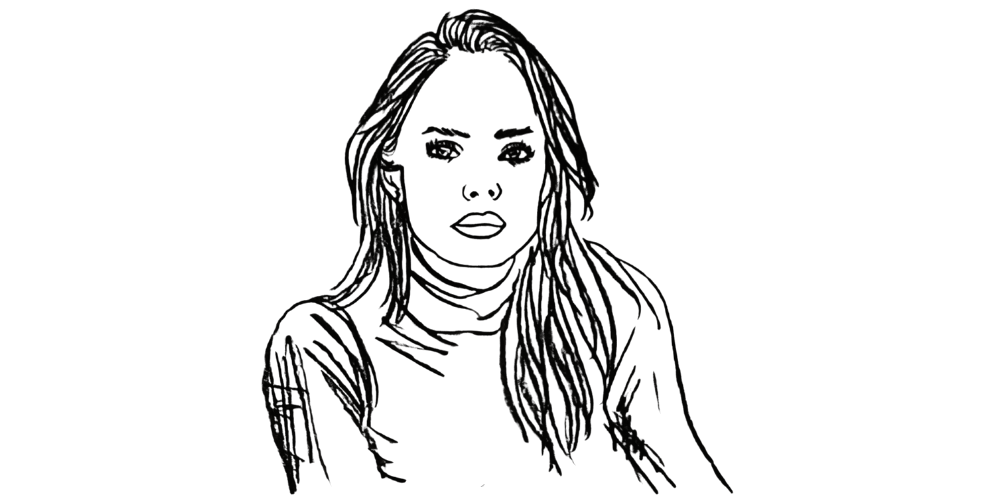
Written on a day I felt clear without needing to convince. Affirmation: “My truth can be quiet and still be real.”
My Truth Doesn’t Need to Be Loud to Be Real
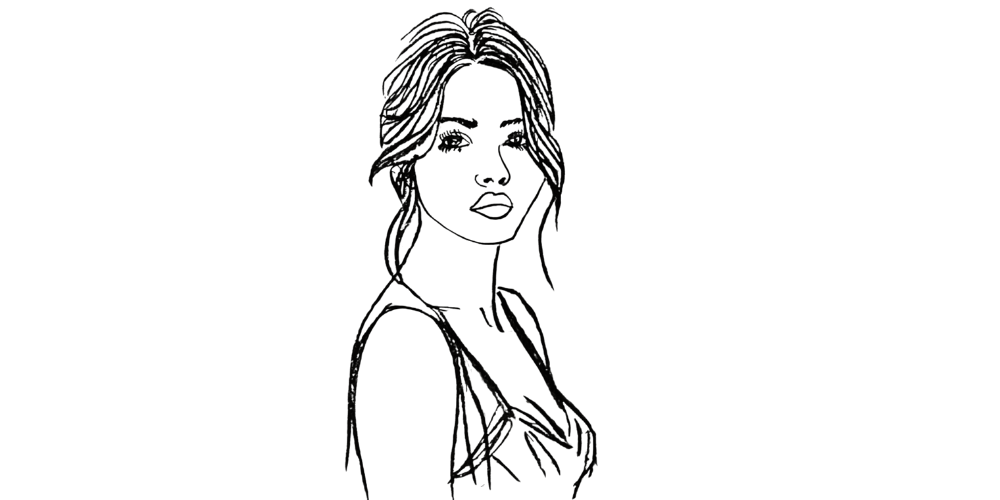
I used to assume that truth had to sound certain and look bold — that I had to speak quickly, fill the silence, make a case. Now I’m learning a simpler way: truth can be steady and small. It can live in a relaxed breath, in a sentence said once, in a boundary voiced with care. The quieter I get inside, the clearer my message becomes.
The Difference Between Volume and Quiet Truth
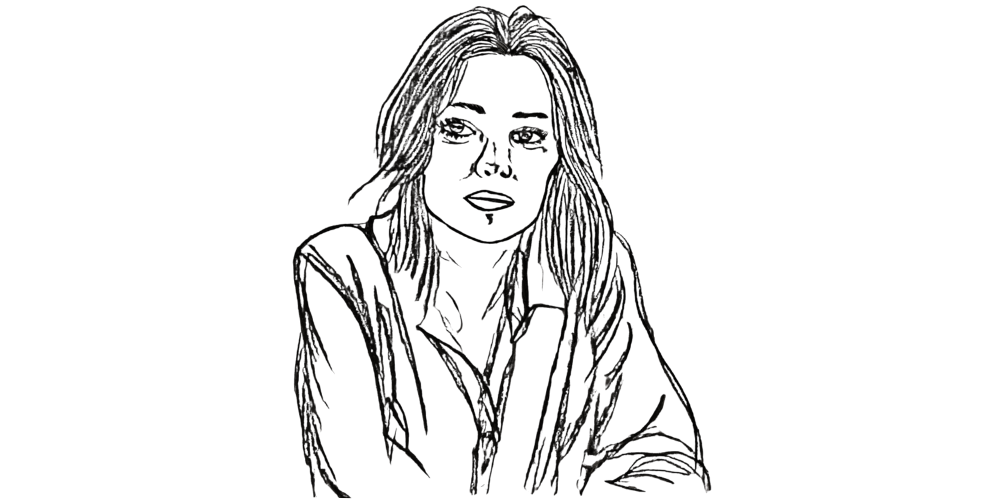
When I’m performing, I try to convince. When I’m truthful, I simply state what is mine to say. People may agree or not — that part is not my job. My job is to speak from alignment. If you’re practicing this too, you might enjoy I’m No Longer Afraid to Take Up Space, which explores presence without apology.
“Quiet truth is not shy — it’s rooted.”
Honest and Non-Performative Communication
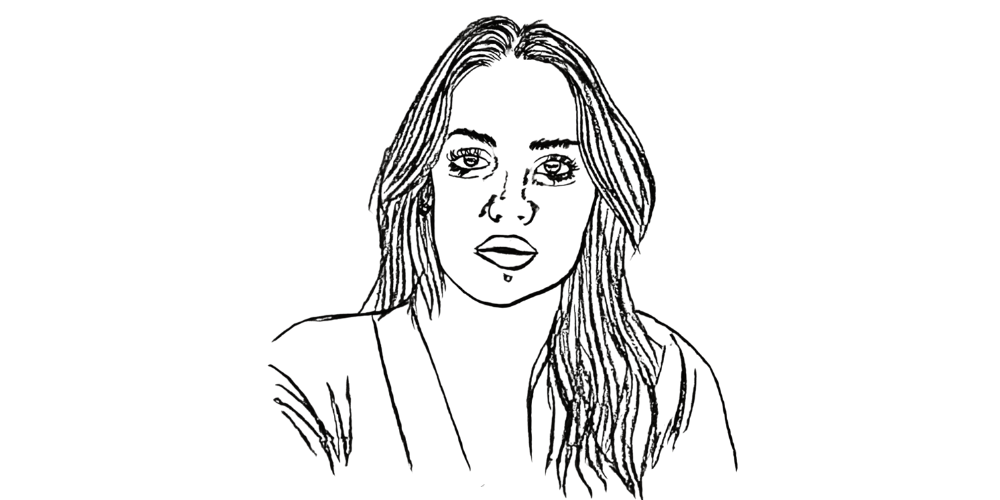
Here’s how I practice: I choose one clear sentence; I keep my tone warm; I let silence do part of the work. I don’t over-explain my boundary or narrate my history to make it acceptable. A simple, respectful line can be enough: “That doesn’t work for me.” “I need more time.” “I’ll pass this time.” Quiet truth respects me and the connection.
Letting Silence Carry the Quiet Truth
When I stop filling every pause, I can hear myself — and the other person — more clearly. Silence lets my words land. It also gives me a moment to check: Is this still my truth? This practice aligns with compassionate communication approaches like Nonviolent Communication. You can read more in this helpful resource: The Six Keys to Positive Communication.
Journal Prompt: One True Sentence
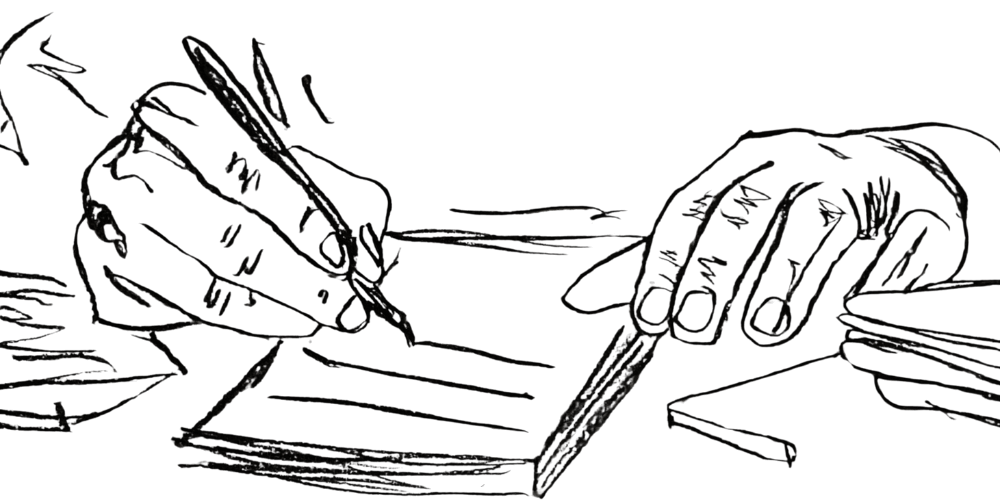
In your journal, write one sentence that expresses a current boundary or need — short, kind, and clear. Practice saying it once, without apology or extra story. If you’d like a gentle companion, my Self-Discovery Journal Prompts include practices for honest, calm communication.
My truth doesn’t need to be loud to be real. I can let clarity — not volume — carry it where it needs to go.