
Returning to My Natural Rhythm.
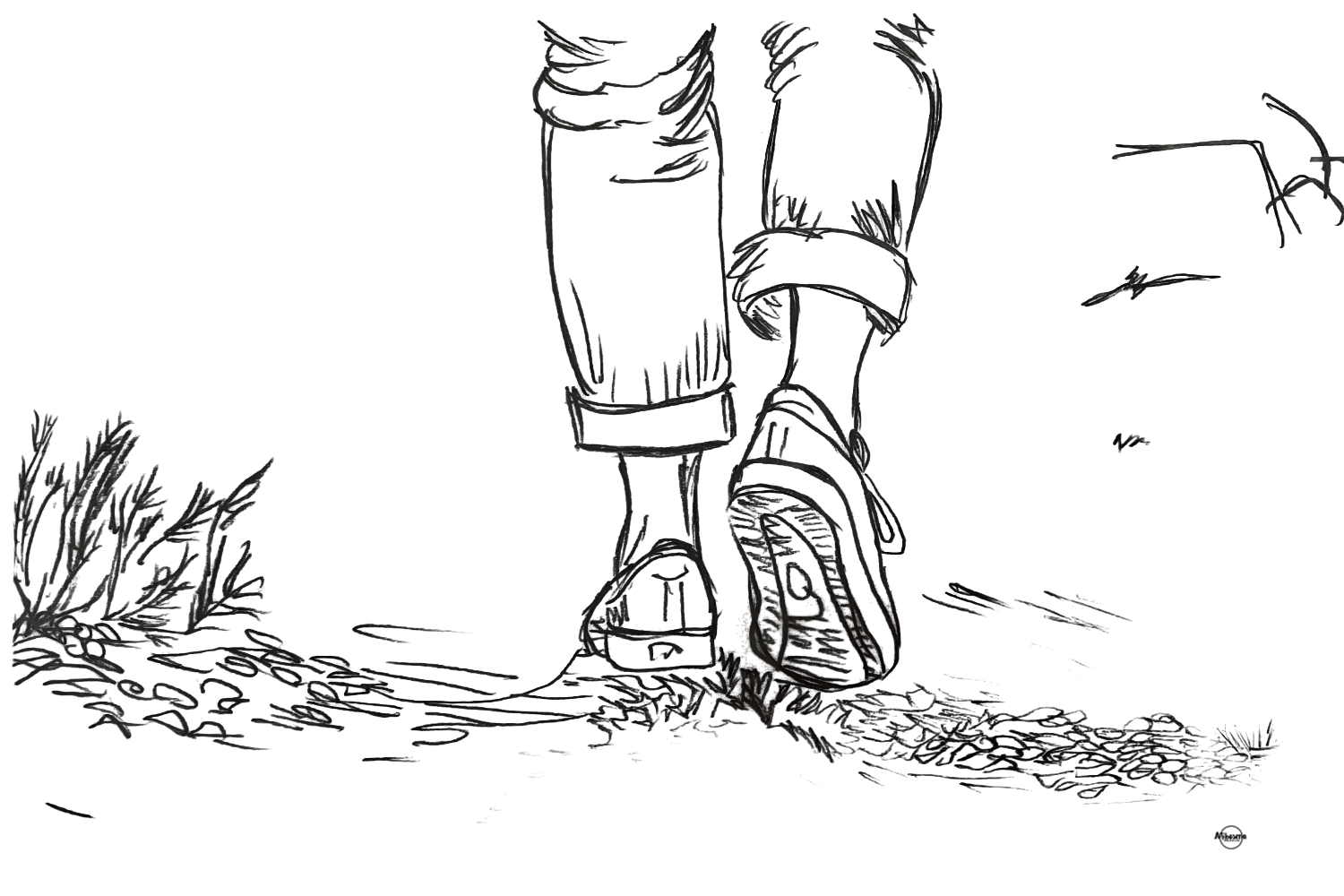
I do not need to force my life forward. I move better when I return to my own rhythm.
Returning to My Natural Rhythm
This was written on a day when I realized that exhaustion was not always a sign that life was too heavy. Sometimes, it was simply a sign that I had been moving against my own rhythm for too long.
There was a time when I lived as if speed were proof of worth.
If I was productive, I felt valuable.
If I moved quickly, I felt responsible.
If I pushed through my tiredness, I told myself I was being strong.
I confused pressure with progress.
I confused urgency with purpose.
I confused constant motion with a meaningful life.
And slowly, without noticing at first, I drifted away from something essential.
I drifted away from my natural rhythm.
How I Lost My Rhythm Without Realizing It
It did not happen in one dramatic moment.
It happened in small ways.
I began waking up already tense.
I stopped asking my body what it needed.
I started organizing my days around expectation instead of energy.
I worked when my mind was dull.
I kept talking when my chest wanted silence.
I kept showing up outwardly even when I was no longer present inwardly.
At first, this looked normal.
It looked disciplined.
It looked adult.
It looked efficient.
But beneath that appearance, something inside me was becoming brittle.
My breath was shorter.
My shoulders stayed slightly raised.
My nervous system felt always a little too alert.
I was functioning.
But I was no longer flowing.
The Difference Between Rhythm and Routine
For a long time, I thought rhythm was the same as routine.
But they are not the same thing.
Routine is structure.
Rhythm is relationship.
Routine tells you what comes next.
Rhythm tells you how it is moving through you.
A routine can be useful.
It can support life.
But if the routine is disconnected from your body, your breath, your cycles, your emotional capacity, it becomes mechanical.
And a mechanical life can look organized from the outside while feeling deeply misaligned on the inside.
Rhythm is softer than routine.
More alive.
More responsive.
It listens.
It knows when to slow down.
It knows when to expand.
It knows when the nervous system needs quiet instead of more input.
The First Sign I Was Out of Sync
I remember one morning very clearly.
I woke up after a full night of sleep, yet I felt heavy before the day had even begun.
Not sad.
Not sick.
Just heavy.
My body felt like it was carrying something dense.
My chest was tight.
My mind did not want to rush, but my habits immediately tried to move me into motion.
I reached for productivity before I had even reached for breath.
And then something inside me quietly said:
This pace is not yours.
That sentence stayed with me.
Because it was true.
I had borrowed a pace from the world around me.
From pressure.
From comparison.
From invisible standards I had stopped questioning.
But it was not my pace.
When the Body Asks for a Different Tempo
The body has its own wisdom.
It does not speak in abstract language.
It speaks through sensation.
Tightness.
Fatigue.
Restlessness.
Shallow breathing.
Lack of appetite for noise.
A deep longing for slowness that feels almost emotional.
For years, I overrode these signals.
I thought I had to stay consistent with external pace, even if my internal world was asking for something else.
But returning to my natural rhythm began the moment I stopped treating my body as a machine and started listening to it as a guide.
When I listened, I noticed things I had ignored.
Some mornings were not meant for intensity.
Some afternoons were naturally more creative.
Some evenings were asking for silence long before I gave it.
I began to understand that my life did not have to move at the same speed all the time to be meaningful.
The Nervous System Knows the Difference
One of the deepest changes happened when I stopped thinking only in terms of productivity and began noticing regulation.
Was my breath steady?
Was my body upright but soft?
Was my mind clear enough to engage, or was I pushing through static?
When I moved against my rhythm, I felt fragmented.
Even if I completed the task, something in me felt strained.
When I moved with my rhythm, my body felt more coherent.
Breath and effort worked together.
My attention stayed with me.
I could give without spilling.
There is a quiet intelligence in regulated movement.
It does not rush to prove anything.
It simply moves when the body and mind are in conversation instead of conflict.
A Scene I Still Remember
I remember sitting by a window in the late afternoon.
The light was soft.
The room was still.
I had a long list of things I thought I should be doing.
But my body wanted something else.
It wanted one deep breath.
Then another.
Then stillness.
At first, I resisted.
I told myself I was wasting time.
But the more I resisted, the tighter I became.
So I stopped.
I put both feet on the floor.
I felt the chair hold my weight.
I allowed my exhale to lengthen.
And in that small pause, something returned.
Not motivation in the harsh sense.
Not urgency.
Something gentler.
Something more honest.
A sense of timing.
A sense that I could begin again, but differently.
Not by forcing.
By listening.
Natural Rhythm Is Not Laziness
This was one of the hardest things for me to understand.
Slowing down did not mean I was becoming passive.
Pausing did not mean I was failing.
Listening did not mean I had lost discipline.
In fact, it required a different kind of discipline.
The discipline to stop performing speed.
The discipline to notice when my system was asking for adjustment.
The discipline to respect my inner timing even when the outer world seemed louder.
Natural rhythm is not indulgence.
It is alignment.
And alignment is often more sustainable than force.
Returning to Rhythm Through the Body
I stopped trying to “figure everything out” mentally.
Instead, I returned through the body.
I began asking simple questions:
- How is my breath today?
- How much noise can I actually hold right now?
- Do I need movement, silence, writing, rest, or space?
- Am I forcing this task, or is there genuine readiness for it?
These questions changed the texture of my days.
I no longer organized everything around pressure.
I organized more around capacity, clarity, and coherence.
This did not make me less productive.
It made me less fragmented.
What Happens When You Stop Forcing
Something beautiful happens when you stop moving against yourself.
Your thoughts become less aggressive.
Your body becomes less defensive.
Your creativity becomes less hidden.
You begin to sense timing again.
Not imposed timing.
Inner timing.
The kind that knows when your energy is open.
The kind that knows when insight wants space.
The kind that understands that not every day must carry the same weight.
When I returned to my natural rhythm, I did not become less committed to life.
I became more available to it.
The Shame Around Slowness
One of the deepest barriers was shame.
Shame for needing more space.
Shame for not always wanting to respond quickly.
Shame for moving at a pace that was not externally impressive.
But shame dissolves when we understand something essential:
Speed is not always strength.
Sometimes strength is the ability to remain in conversation with yourself when the world is pressuring you to disconnect.
Sometimes strength is choosing a sustainable rhythm instead of performing urgency.
A More Honest Kind of Strength
I used to admire people who seemed endlessly available, always moving, always doing.
Now I admire something else.
I admire people who know how to remain whole.
People whose pace does not betray their nervous system.
People who can pause without guilt.
People who know that rhythm is part of wisdom.
This kind of strength is quieter.
But it feels more stable.
The Role of Rest in Real Rhythm
Rest is not separate from rhythm.
It is part of it.
A natural rhythm includes effort and restoration.
Expression and retreat.
Connection and solitude.
I used to think rest had to be earned.
Now I understand that unearned rest is often the very thing that keeps life human.
When I rest before collapse, I am not being weak.
I am being responsive.
External Reflection on Burnout and Balance
Many well-being resources describe burnout not simply as tiredness, but as the result of prolonged stress without enough recovery, rhythm, or sustainable care. A more balanced pace supports resilience and emotional steadiness over time.
(see burnout prevention and recovery – HelpGuide).
Relearning My Own Pace
Returning to my natural rhythm did not happen in one day.
It was a relearning.
I had to notice what times of day felt clear.
What kind of input created tightness.
What kind of silence restored my breath.
What kind of work asked for depth rather than speed.
I learned that I am not meant to live every hour in the same register.
Some parts of me bloom slowly.
Some thoughts need stillness to become articulate.
Some days are made for output.
Others are made for listening.
And all of that belongs to a meaningful life.
A Small Daily Practice
If you feel disconnected from your own rhythm, try this simple practice:
- Pause before starting your day.
- Take three slow breaths into your lower ribs.
- Feel your feet on the ground.
- Ask yourself: “What pace feels honest today?”
- Let one part of your day reflect that answer.
This is not about controlling everything.
It is about opening a small conversation with your own life.
When Rhythm Returns, So Does Self-Trust
One of the most healing parts of this process was not just the slowness.
It was the trust that came back with it.
Trust in my own signals.
Trust in my body’s timing.
Trust that I did not need to imitate pressure to have a meaningful life.
When rhythm returned, I felt less fractured.
Less reactive.
Less dependent on urgency to feel alive.
I felt more here.
Internal Reflection Tools
If you want a gentle place to reconnect with your own pace, breath, and self-awareness, you can explore the reflective exercises here:
Free Tools.
They can support you in listening inward instead of constantly adapting outward.
Final Reflection
I no longer want a life that only looks organized from the outside.
I want a life that feels inhabited from the inside.
I want a pace that my body can trust.
A rhythm my nervous system does not have to fight.
A way of living that leaves room for breath, thought, and return.
I am still learning.
Still adjusting.
Still noticing.
But now I know something I did not know before:
Returning to my natural rhythm is not falling behind.
It is coming back to myself.
FAQ — Returning to My Natural Rhythm
What does “natural rhythm” mean?
It refers to a way of living that respects your real energy, emotional capacity, and bodily signals instead of forcing a constant pace.
How do I know if I’m living against my rhythm?
Common signs include shallow breathing, irritability, constant tiredness, inner pressure, and the feeling of always pushing through.
Is slowing down the same as being lazy?
No. Slowing down can be a form of regulation, self-respect, and sustainable living.
Can I still be productive while honoring my rhythm?
Yes. Often, honoring your rhythm improves focus, clarity, and the quality of what you create.
How can I start reconnecting with my rhythm?
Begin with small daily pauses, breath awareness, and honest check-ins about your actual capacity.