
Slowness Is a Form of Trust.
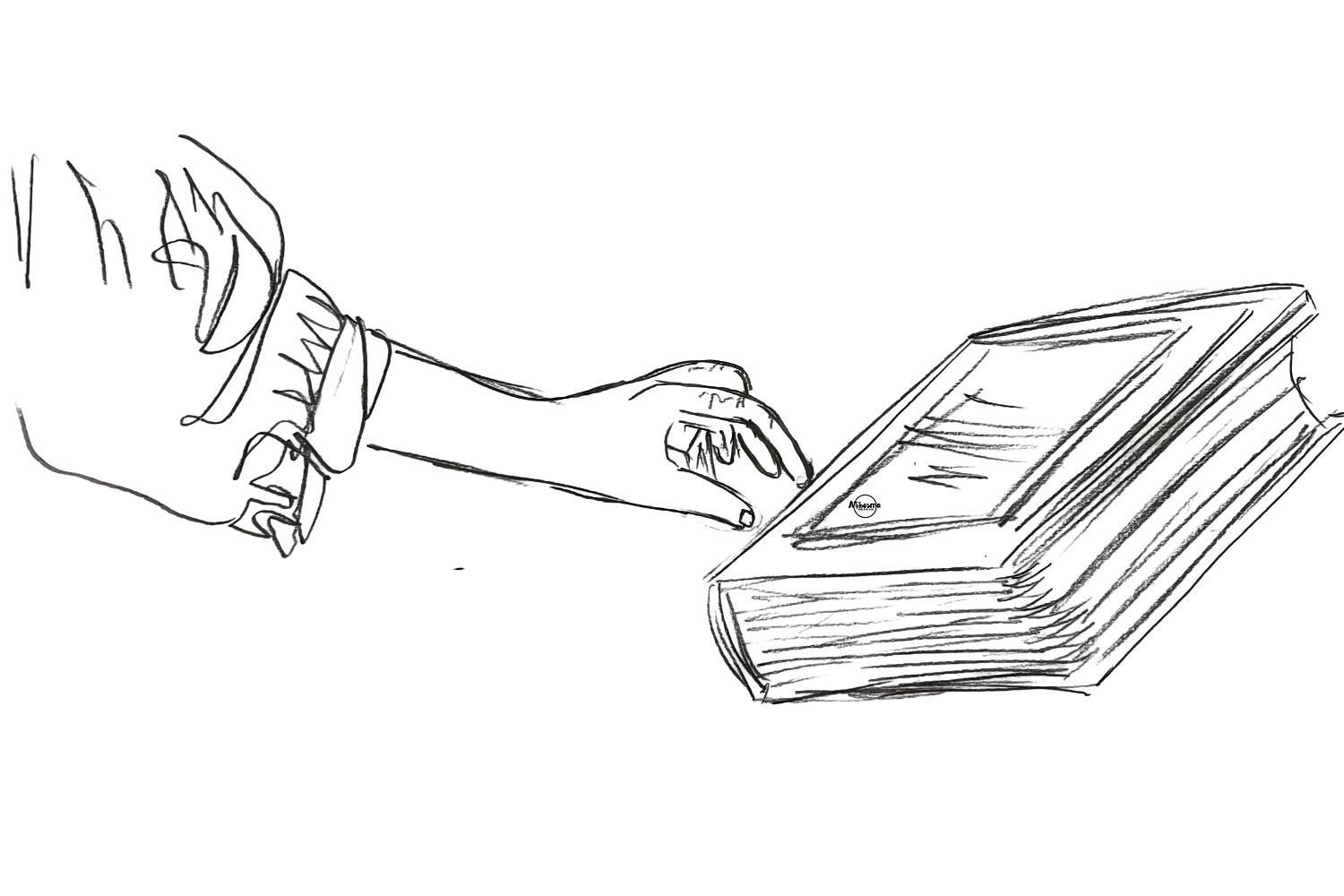
Slowness is not a lack of progress. It is the quiet confidence that you don’t need to rush what is meant for you.
Slowness Is a Form of Trust
This reflection was written on a quiet day when I noticed something I used to resist: the moments when life slows down without asking for permission.
No urgency.
No clear movement.
No visible progress.
Just stillness.
For a long time, I did not know how to be in those moments.
I felt uncomfortable.
Restless.
Almost guilty.
Because somewhere along the way, I learned that moving slowly meant falling behind.
That if I was not progressing fast enough, I was losing something.
So I filled my days.
I rushed decisions.
I tried to stay in motion.
But the more I rushed, the more disconnected I felt.
Until something quiet became clear to me.
Maybe slowness was not the problem. Maybe it was something I needed to learn to trust.
Why Slowing Down Feels So Uncomfortable
Slowness can feel unfamiliar in a world that rewards speed.
We are surrounded by movement.
By productivity.
By constant action.
Even rest is often turned into something structured.
Something to optimize.
Something to improve.
So when life naturally slows down, it can feel like something is wrong.
But in many cases, nothing is wrong.
We are simply stepping out of a rhythm we have become used to.
The Hidden Value of Slowing Down
At first, I thought slowing down meant losing time.
But slowly, I began to see something different.
Slowness creates space.
Space to notice.
Space to feel.
Space to understand what is actually happening inside us.
Research shows that slowing down and practicing mindfulness can reduce stress and improve emotional balance.
Harvard Health explains that slowing down can lower stress levels and increase awareness, allowing us to become more present in our daily lives.
In other words, slowness is not empty.
It is full of awareness we usually miss.
The Moment I Stopped Resisting Slowness
There was a time when everything in my life felt slower than I wanted.
Progress was not visible.
Answers were not immediate.
Clarity was not arriving quickly.
And instead of forcing movement, I paused.
Not because I had everything figured out.
But because I no longer had the energy to rush.
In that pause, something shifted.
Nothing outside changed instantly.
But inside, there was less pressure.
Less urgency.
Less resistance.
And for the first time, I felt something I had not expected.
Relief.
Slowness Allows Life to Unfold Naturally
When we rush, we often try to control outcomes.
We want answers now.
Results now.
Clarity now.
But not everything unfolds on command.
Some things require time.
Not because we are doing something wrong.
But because they are still becoming.
Slowness gives life the space to take shape without force.
It allows things to settle into their natural form.
Why Slowness Is a Form of Trust
Trust does not always look like confidence.
Sometimes it looks like patience.
Like staying where you are without rushing forward.
Like allowing things to unfold without trying to control every step.
Slowness becomes a form of trust when we stop pushing against the timing of our lives.
When we accept that not everything needs to happen immediately.
When we allow ourselves to move at a pace that feels real instead of forced.
This kind of trust is quiet.
But it is deeply stabilizing.
What Happens When You Stop Rushing
When I stopped rushing everything, I noticed small changes.
My thoughts became clearer.
My decisions felt less reactive.
My emotions felt easier to understand.
Not because life became simple.
But because I was no longer running ahead of myself.
I was finally where I was.
And that changed everything.
Learning to Move at Your Own Pace
Moving slowly does not mean doing nothing.
It means moving with awareness.
It means allowing your pace to match your capacity.
Some days will be faster.
Some days will be slower.
Both are part of the same process.
The problem begins when we try to force one rhythm all the time.
Because life does not move that way.
Slowness and Inner Clarity
Clarity often does not appear in the middle of rushing.
It appears in space.
In pauses.
In moments where the mind is not overwhelmed by movement.
When we slow down, we begin to notice what we actually feel.
What we actually want.
What no longer feels aligned.
Slowness does not create confusion.
It reveals what was already there.
Reflection Tools for Slowing Down
If you find it difficult to slow down, writing can help create a gentle pause.
Self-Discovery Journal Prompts
These reflections can help you reconnect with your inner rhythm and notice what is asking for space in your life.
Final Reflection on Slowness
For a long time, I believed that speed meant progress.
That moving fast meant moving forward.
But life showed me something different.
Some of the most important changes happened slowly.
Quietly.
Almost invisibly.
And when I stopped resisting that pace, I began to feel something new.
Trust.
Not because I knew exactly where I was going.
But because I no longer felt the need to rush to get there.
Slowness is not a delay. It is the space where life learns how to unfold in its own way.
FAQ — Slowness and Personal Growth
Why is slowing down important?
Slowing down helps reduce stress, improve awareness, and allows you to process your thoughts and emotions more clearly.
Is slowing down the same as being unproductive?
No. Slowness can actually improve clarity and decision-making, which often leads to more meaningful and effective actions.
How can I start slowing down in daily life?
You can start by creating small pauses during your day, reducing unnecessary rushing, and becoming more present in simple moments.
Why does slowness feel uncomfortable?
It can feel uncomfortable because we are used to constant stimulation and activity. Slowness removes that distraction and brings awareness inward.
Can slowing down improve emotional well-being?
Yes. Research shows that slowing down and mindfulness practices can reduce stress and improve emotional balance.