That One Breath That Saved Me.
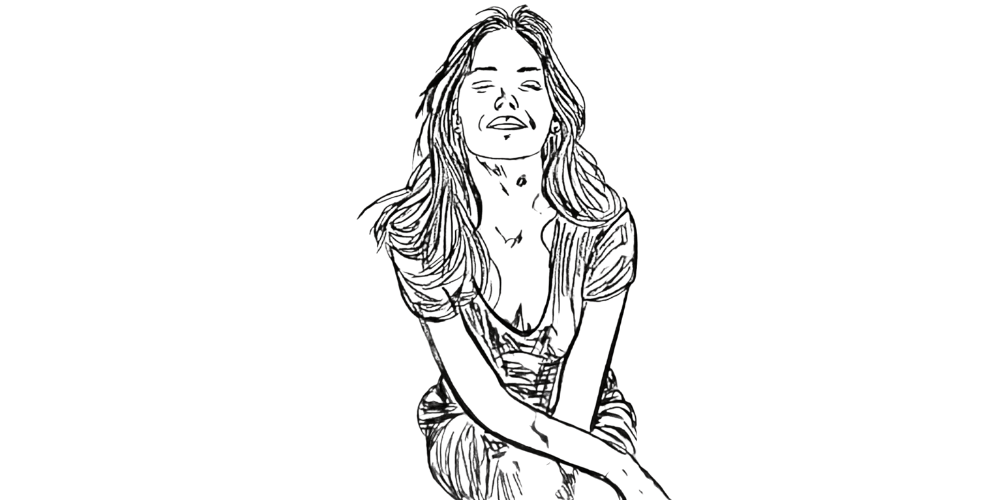
This was written on a day when I thought I might break.
But instead, I took that one breath that saved me — and something inside finally softened.
That One Breath That Saved Me
That day felt heavier than most. My thoughts were racing, my chest was tight, my hands restless.
I moved from one room to another without arriving anywhere. My mind replayed conversations, imagined outcomes, searched for control.
The more I tried to calm myself, the louder everything became.
Until I noticed my breathing.
It was shallow. Broken. Almost absent.
So I stopped. Closed my eyes. And gave myself permission to take one slow breath.
Not ten. Not a technique.
Just one honest inhale.
It felt like that one breath that saved me.
Not because it fixed my life — but because it returned me to my body.
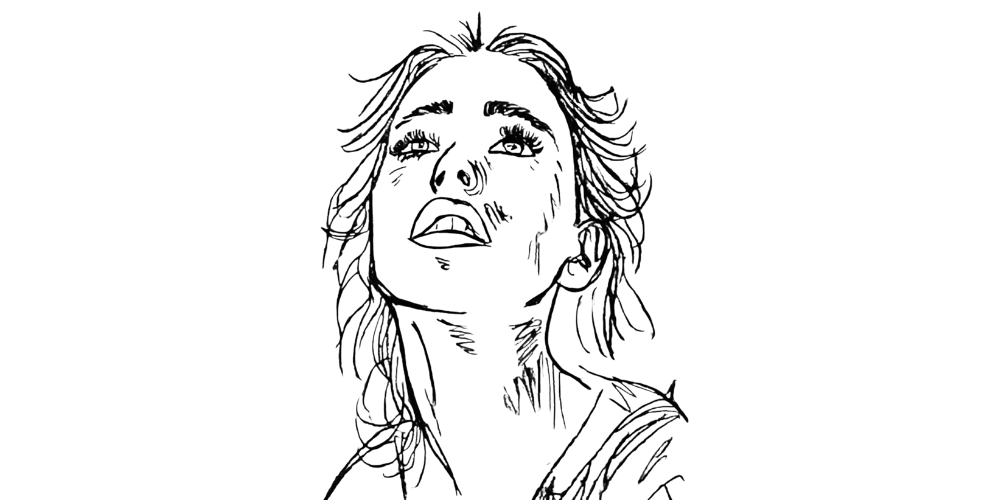
It felt like the first real inhale I had taken in hours.
My shoulders lowered. My jaw softened. My stomach unclenched.
The world didn’t change.
But my position inside it did.
The Pause That Changed Everything – That One Breath That Saved Me
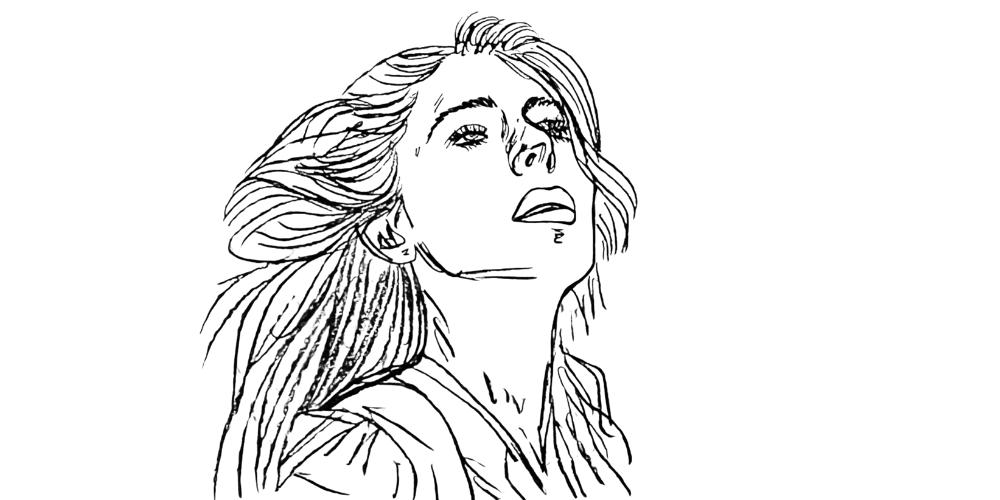
That single breath didn’t erase my problems.
But it interrupted the spiral.
For a few seconds, I wasn’t fixing, explaining, or resisting.
I was simply breathing.
And in that simplicity, something ancient responded.
My nervous system stopped scanning.
My body stopped bracing.
My mind stopped running ahead.
“Sometimes, your only job is to keep breathing until the weight loosens.”
That night, I wrote about it in my
Mindfulness Journal.
Not to remember the panic — but to remember the return.
What One Conscious Breath Does to the Body
Breathing is not just oxygen.
It is one of the few direct bridges between the conscious mind and the nervous system.
When emotional overload happens, the body enters a subtle state of threat.
The heart accelerates.
Muscles tighten.
The mind searches for danger.
Breathing becomes short and high.
A slow inhale followed by a long exhale sends a different biological message:
“I am not in immediate danger.”
This activates the parasympathetic nervous system — the part responsible for rest, digestion, repair, and emotional regulation.
That one breath that saved me was not symbolic.
It was physiological.
It told my body to stand down.
Why Breathing Is Often the First Door Back to Presence
Thoughts live in the past and the future.
The breath only exists now.
You cannot breathe yesterday.
You cannot inhale tomorrow.
So when attention returns to breathing, the mind is gently anchored back into the present moment.
This is why breath is at the heart of so many therapeutic and contemplative practices:
because it reunites the mind with the body.
That one breath that saved me didn’t give me answers.
It gave me ground.
Learning to Return to the Breath That Saved Me
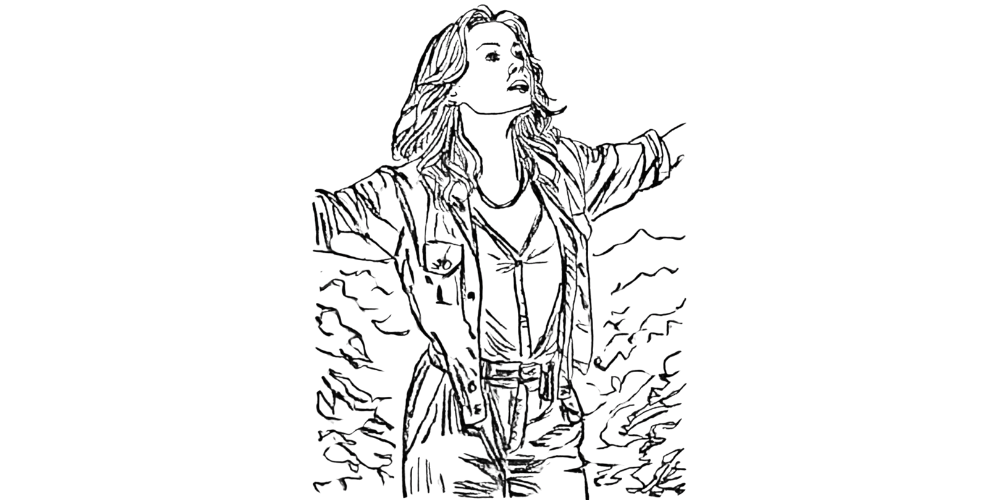
I used to believe calm came from solving life.
From understanding everything.
From preparing for everything.
From controlling outcomes.
But the breath taught me something else:
calm can begin before clarity.
Now, when overwhelm approaches, I don’t argue with it first.
I breathe.
Before answering.
Before reacting.
Before continuing.
Inhale slowly through the nose.
Pause.
Exhale longer than the inhale.
Again.
And again.
A gentle guided practice I often return to is this one from
Mindful.org,
which beautifully explains how breathing restores attention.
The Breath I Will Always Remember – My Lifeline in Stillness
I still have difficult days.
But now, I know where to return.
To that inhale that reached deeper than fear.
To that exhale that softened what I was gripping.
It reminds me that even when I feel powerless, one thing always remains within reach:
I can breathe.
And sometimes, that one breath that saved me is enough
to interrupt the spiral,
to open a small inner space,
to come home to myself.
Not everything must be solved.
Some things only need to be breathed through.