
What I Didn’t Say (But Wrote Down).
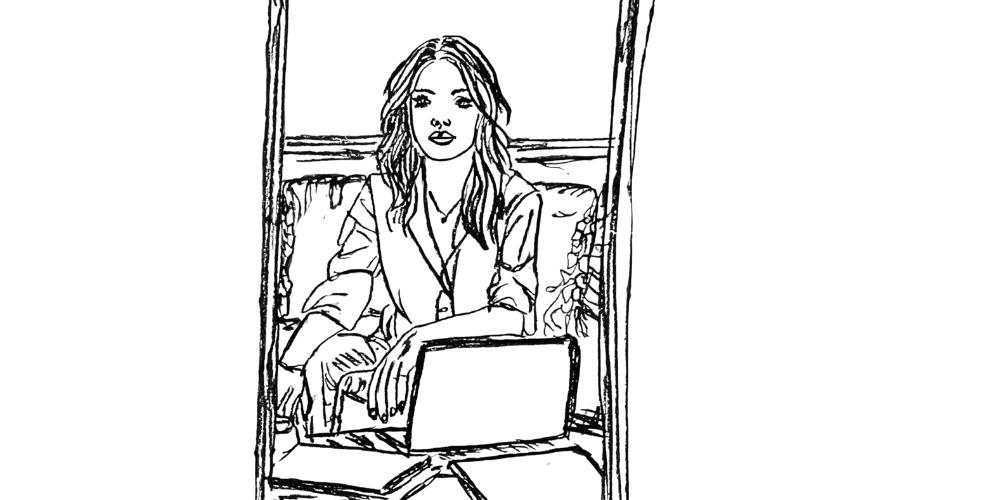
This entry was written after a conversation I never had, but imagined a hundred times. A page became the only place safe enough to say it — because what I didn’t say but wrote down was too important to be lost.
What I Didn’t Say (But Wrote Down)
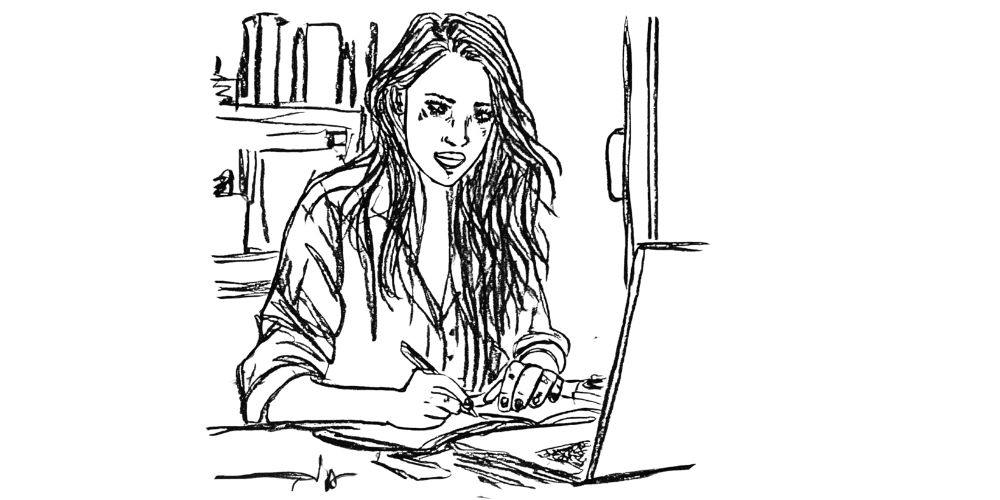
There was so much I didn’t say. Not because I didn’t want to, but because I didn’t know how. The words felt heavy in my chest, tangled in fear, doubt, and the ache of never being fully received.
So I wrote them instead. Not for the other person. Not to change anything. But to let the truth have a place to exist. In fact, what I didn’t say but wrote down became my way of giving my silence a voice. Writing what I didn’t say but wrote down helped me feel seen by myself, which turned out to be the most important kind of validation.
Why What I Didn’t Say But Wrote Down Could Only Be Written
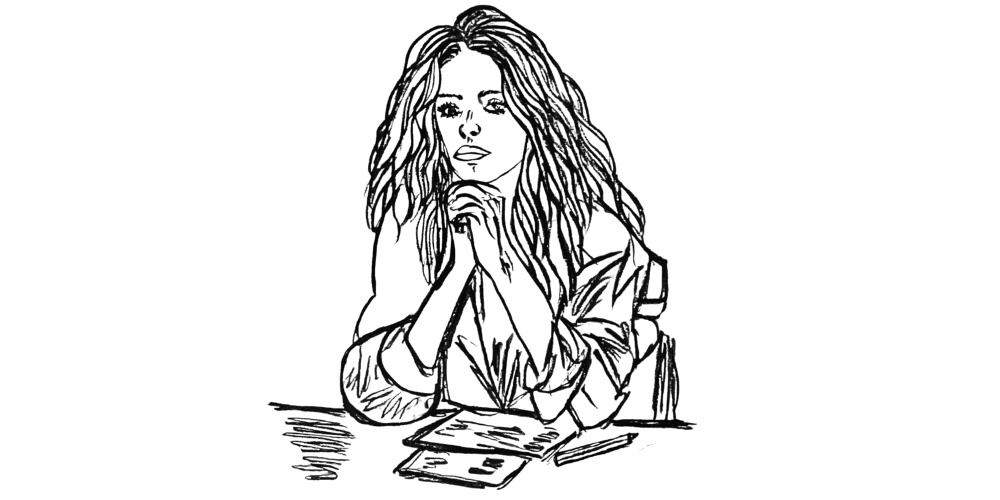
The page doesn’t interrupt. It doesn’t push back or misinterpret. It simply holds. And when something is too delicate, or too deep, or too personal to say aloud — writing becomes the bridge between silence and clarity.
I wasn’t trying to be poetic. I was just trying to breathe. With each line I wrote, I let go of what I had carried in silence. And in that quiet release, something soft returned: peace.
“I didn’t say it to you, but I said it to the page. And for once, that was enough.”
Write What I Didn’t Say But Wrote Down (Yet)
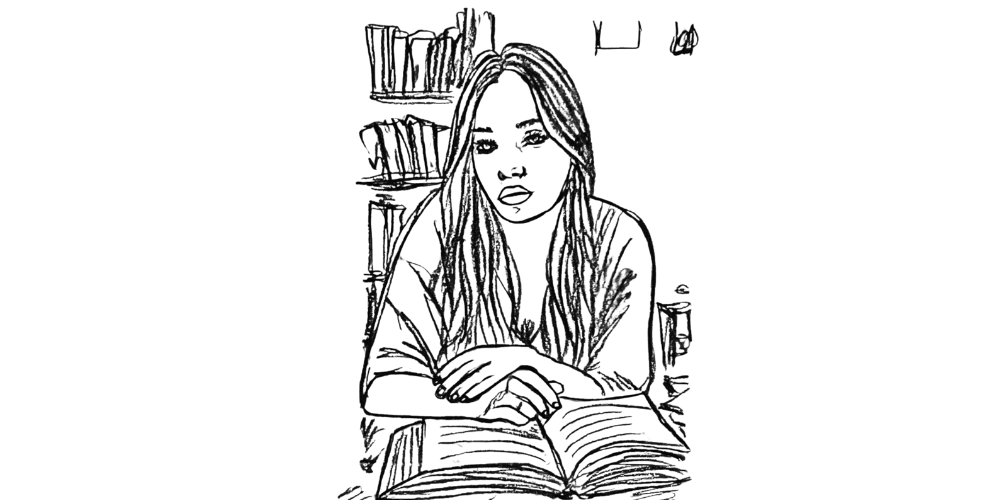
If there’s something unsaid inside you, don’t force yourself to speak it. Just write. Start with what feels unfinished. What you whispered inside your own mind but never aloud.
Try writing:
“What I really wanted to say, but couldn’t, was…”
“If I had trusted my voice, I would have said…”
Let your hand move slowly. You don’t need to rush. The most meaningful writing is often whispered, not shouted.
Let Writing Be a Soft Place for the Truth
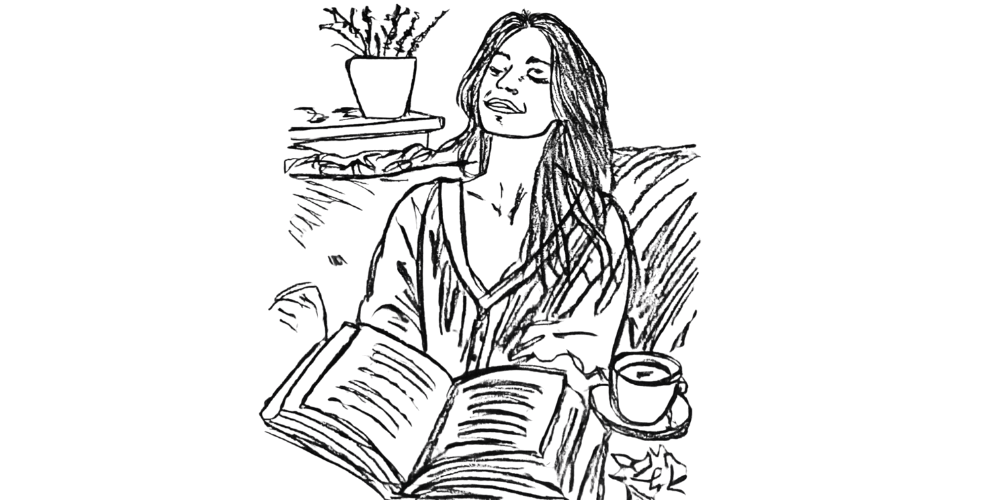
You might not get the closure you hoped for. The words you write might never be read by the person you meant them for. But that doesn’t make them less real. Less sacred.
Try the Self-Discovery Journal Prompts if you want a gentle space to meet what hasn’t yet been said. Sometimes, the most healing thing isn’t to be heard — but to listen to yourself first.
If this theme touches you deeply, this gentle, evidence-based conversation from the American Psychological Association may help:
Expressive writing can help your mental health (APA).
And maybe — just maybe — that’s all the expression you ever needed.