
When I Let Go of Who I Thought I Had to Be.
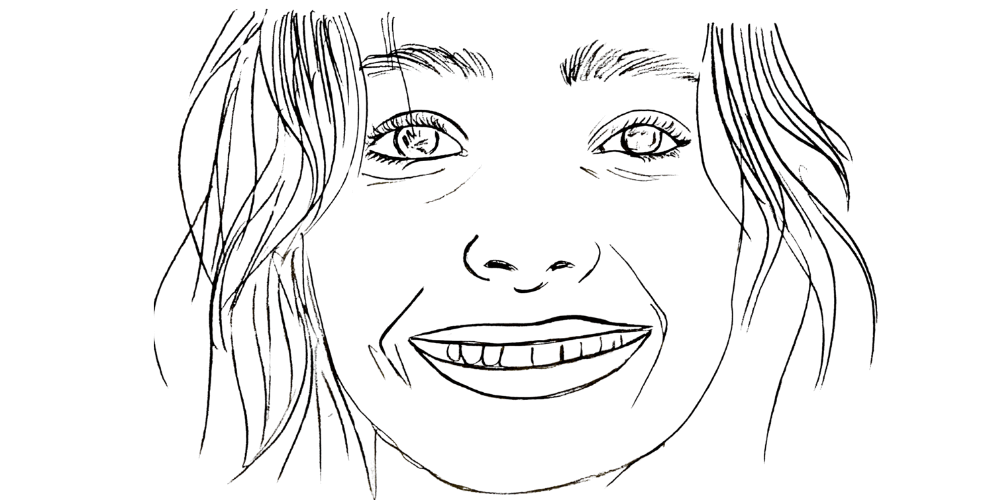
Gentle truth: I don’t have to perform to deserve peace.
Affirmation: “I am enough when I am real, not when I am perfect.”
When I Let Go of Who I Thought I Had to Be
For a long time, I lived inside a quiet performance. Not the kind that stands on a stage — but the one that happens inside the nervous system. The subtle effort to be acceptable. To be strong. To be easy. To be someone who doesn’t need too much, feel too much, or ask too much. I didn’t realize I was performing. I thought I was simply surviving life well.
But the body always tells the truth before the mind does. Mine began speaking in exhaustion. In shallow breaths. In nights where sleep didn’t restore me. In a constant background tension that no achievement could soften. Something inside me was tired of becoming. It wanted to be.
Letting go of who I thought I had to be did not happen in one brave moment. It happened slowly, through hundreds of small surrenders. Moments when I chose rest over proving. Honesty over harmony. Presence over performance.
The Version of Me That Tried Too Hard

I learned early that being loved often meant being useful. Being calm. Being capable. Being “the strong one.” So I organized myself around what seemed to work. I listened well. I adapted quickly. I minimized my needs. I became reliable, reasonable, and emotionally efficient.
On the surface, it looked like maturity. Inside my body, it felt like constant vigilance. My nervous system rarely rested. Even in quiet moments, there was an invisible readiness — to respond, to manage, to not disappoint. My breath stayed high in my chest. My jaw was often tight. My shoulders subtly lifted, as if waiting for something.
I didn’t recognize this as stress. It was simply my normal.
But chronic self-adjustment teaches the nervous system that safety depends on effort. On control. On anticipation. Over time, this state changes the way the body lives. It keeps stress hormones circulating. It shortens the breath. It limits digestion, sleep depth, emotional fluidity. The body becomes a workplace instead of a home.
The version of me that tried too hard wasn’t wrong. She was intelligent. She was sensitive. She was doing her best to secure belonging. But she was living from tension rather than from truth.
Letting go began the first day I asked myself, sincerely: “What if nothing is wrong with me?”
That question softened something in my chest. It didn’t solve my life. But it gave my nervous system a new possibility: maybe I didn’t need to fix myself before I could rest.
How the Body Learns to Let Go
We often believe letting go is a decision of the mind. In reality, it is an experience of the body.
I could tell myself “I don’t need to perform anymore” a hundred times. But if my breath stayed shallow, my muscles tight, and my nervous system alert, my body still believed effort was necessary.
So I started working gently, physically, patiently.
I noticed my breathing. I noticed how rarely I exhaled fully. I began practicing slower breathing not to calm emotions, but to speak directly to my nervous system. Longer exhalations. Softer ribs. Jaw awareness. Hands resting on my body instead of floating away from it.
These gestures told my system something new: you are allowed to land.
I paid attention to my posture. How often I leaned forward into life. How rarely I leaned back. I practiced sitting without doing. Standing without preparing. Walking without planning.
Letting go, I learned, is not an idea. It is a sensation of safety returning to the tissues.
Becoming Who I Actually Am

As the inner tension softened, something unexpected appeared: space. Space to feel without fixing. Space to choose without rushing. Space to notice what actually suited me.
I realized how many of my preferences had been shaped by survival. How many “goals” were actually negotiations with fear. How many habits were agreements with exhaustion.
Becoming who I actually am has not been dramatic. It has been quiet. It looks like choosing slower mornings. Fewer obligations. More embodiment. Speaking sooner. Leaving earlier. Laughing without control. Resting without justification.
I don’t experience authenticity as excitement. I experience it as calm. My system feels less fragmented. My decisions create less inner debate. My yes and my no carry less tension.
The person I thought I had to be was always busy becoming. The person I am now is busy inhabiting.
Stress, Presence, and the End of Self-Negotiation
Much of what we call “stress” is the body negotiating with an identity that doesn’t fit anymore.
The nervous system feels when we override ourselves. When we stay where we don’t belong. When we agree while contracting. When we perform calm while carrying unease.
Presence ends that negotiation.
When I let go of who I thought I had to be, my attention returned to where life actually happens: inside sensation. Breath. Weight. Emotion. Rhythm.
Presence doesn’t remove difficulty. It removes false alignment. And in that honesty, stress begins to reorganize. The body discharges what it no longer has to hold. The nervous system learns new baselines. The heart doesn’t work as hard to be acceptable.
I am not less responsible. I am less divided.
What Letting Go Looks Like in Daily Life
Letting go is rarely a big decision. It lives in small moments:
— pausing before answering
— breathing before explaining
— leaving before resentment
— resting before collapse
— speaking before disappearance
It looks like eating when I’m hungry instead of when it’s correct.
Like ending days earlier.
Like choosing environments that regulate rather than impress.
It looks like allowing my face to reflect what I feel.
Allowing silence to exist without entertainment.
Allowing my nervous system to learn a slower language.
Journal Prompt — Who Am I Without the “Shoulds”?
In your journal, write slowly:
“If I stopped trying to be who I thought I had to be, what might soften?
What might change in my body, my pace, my choices, my relationships?”
Let your answers be sensory. Not conceptual.
Describe how your days might feel. How your breathing might change. How your evenings might sound.
Explore deeper with Self-Discovery Journal Prompts
Gentle read: Mindful.org — What it Means to “Let Go” (and Why It’s an Essential Part of Healing)
When I let go of who I thought I had to be, I didn’t become less.
I became inhabitable.
And from that place, life no longer feels like a role.
It feels like a home.