
You Don’t Need to Be Productive to Deserve Rest
A gentle reminder for the days when stillness feels “wrong,” and your worth feels tied to your output.

We live in a world that praises productivity as if it were proof of value. It’s everywhere — in the way we speak,
the way we plan our days, the way we apologize for resting. And slowly, without noticing, we start believing that
we must “earn” the right to breathe.
But here is the truth I want to place gently in your hands:
you don’t need to be productive to deserve rest.
Rest is not a prize. It’s not a luxury for the “successful.” It’s a basic human need — like water, like warmth,
like safety. You deserve it because you are alive. Not because you performed.
If you only rest when everything is done, you may never truly rest — because “everything” is never done.
Why “You Don’t Need to Be Productive to Deserve Rest” Feels So Wrong
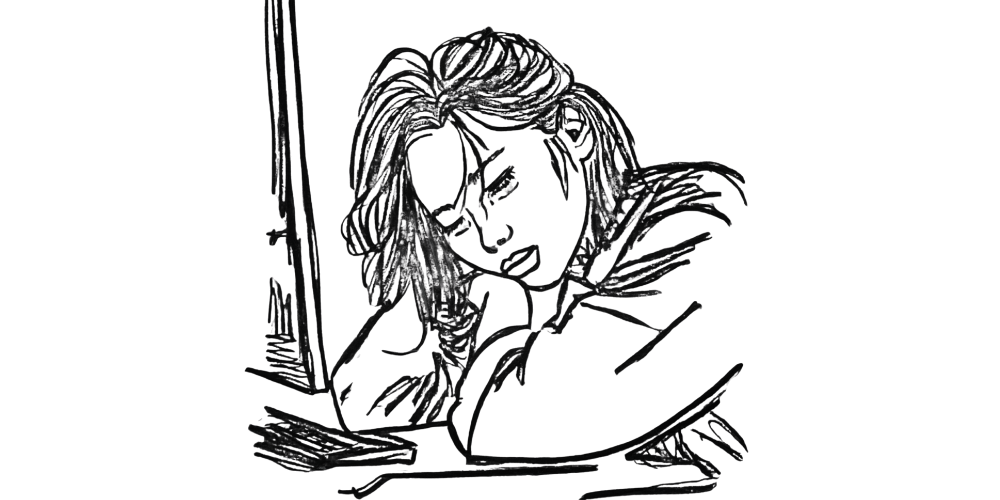
For many of us, rest was never taught as something normal. We learned a different equation:
“Work first. Prove yourself. Then maybe you can stop.” And even when we finally stop, guilt follows —
like a shadow that whispers: You’re wasting time.
That guilt isn’t always “you.” It’s often conditioning. It’s the echo of a culture that treats the body like a machine
and the mind like a constant engine. When you grow up around hustle language — even softly — you absorb the idea that
slowing down means falling behind.
So yes: when you start practicing rest, it can feel uncomfortable at first. Not because rest is wrong —
but because you’re unlearning a story that was repeated for years.
You Don’t Need to Be Productive to Deserve Rest — Your Worth Is Not Measured by Output
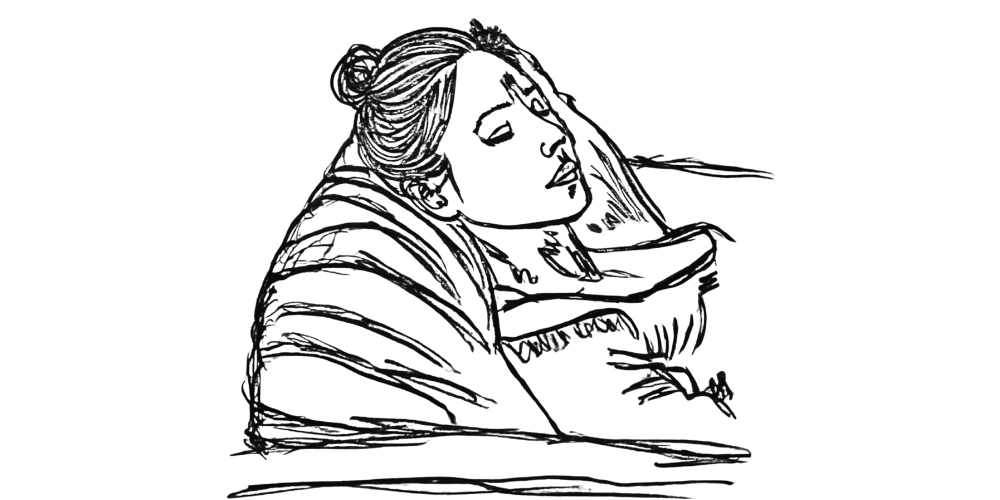
If you’ve ever felt lovable only when you’re useful, you’re not alone. Productivity can become a mask:
a way to avoid feeling “not enough.” But the cost is heavy. Because if your worth depends on output,
then rest will always feel like danger.
Let this be your permission slip:
you don’t need to be productive to deserve rest.
Your value does not rise and fall with your performance. You are enough on quiet days, messy days,
slow days, and days when you do almost nothing.
🌱 Related article:
What Burnout Taught Me About True Strength
The Guilt That Follows Stillness (And How to Soften It)

Guilt can show up in small, sneaky ways. You sit down, and suddenly you feel restless. You take a nap,
and you wake up with self-judgment. You do something gentle — and your mind tries to “justify” it.
Here’s a simple reframe: guilt is not proof that you’re doing something wrong.
Sometimes guilt is just proof that you’re doing something new.
A gentle practice: name what’s happening
Next time guilt appears, try saying (even silently):
“This is the old story. I’m learning a new one.”
Then breathe once. Not to force calm — just to remind your body that you’re safe.
A second practice: rest in small doses
If deep rest feels impossible, start with micro-rest:
2 minutes of doing nothing.
5 minutes without your phone.
One cup of tea sipped slowly.
A short walk without a goal.
These moments teach your nervous system that slowing down is allowed.
🛠️ Explore the
Free Tools
— especially the Self-Care Routine Tracker to help you build guilt-free rest into your days.
Rest Isn’t Failure — It’s How You Heal and Reclaim Your Energy
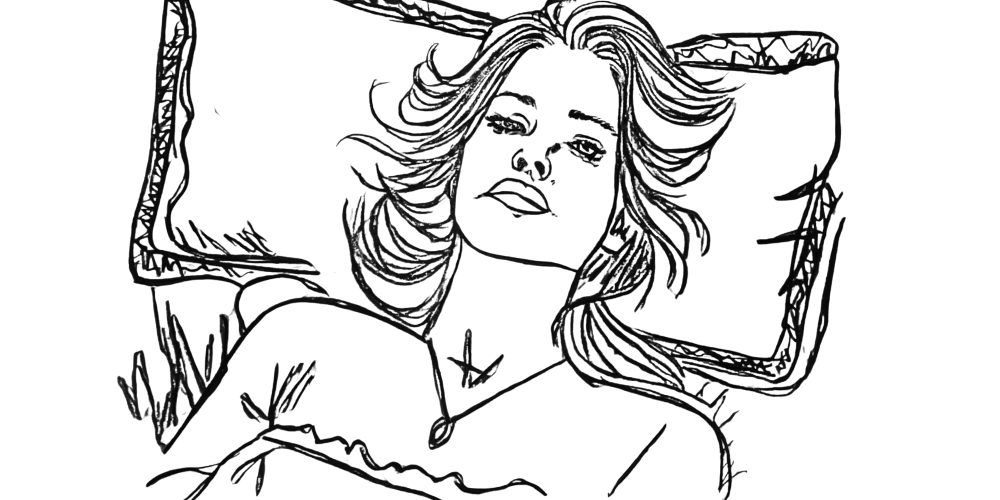
Rest is not only physical. Sometimes rest means emotional space — a quiet moment where you stop performing,
stop proving, stop pushing. It’s the place where your inner world can finally speak without being interrupted by urgency.
When you rest, your body has room to regulate. Your mind has room to settle. Your heart has room to feel.
And slowly, you start returning to a more honest rhythm — one that doesn’t require constant intensity to be valid.
A simple “guilt-free rest” checklist
- Rest before you are exhausted — not after you collapse.
- Choose a rest that truly nourishes you (not just numbs you).
- Lower the bar for “deserving” — you’re human, that’s enough.
- Let rest be part of the plan, not an emergency response.
📖 See also:
The Day I Chose to Love Myself Without Earning It
You Don’t Need to Be Productive to Deserve Rest — Stop Justifying It
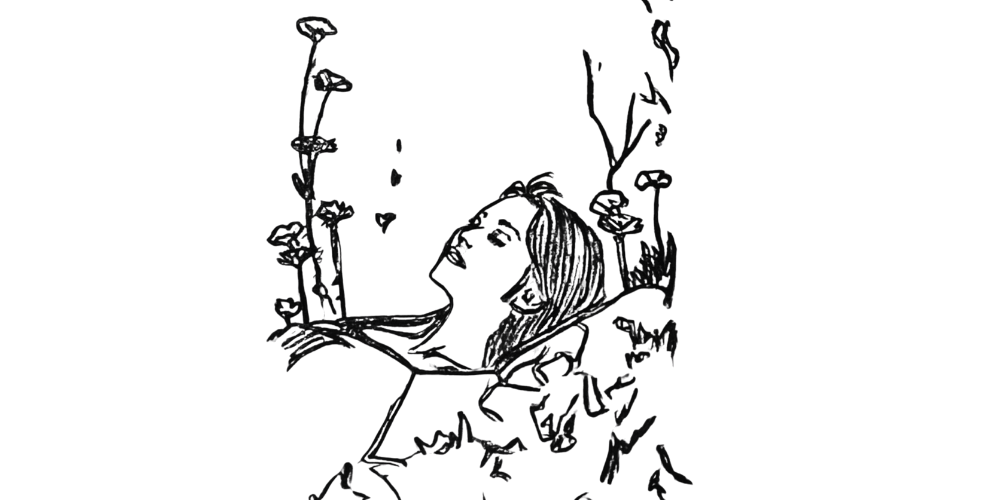
There’s a moment when the mind says: “I’ll rest when I finish this.”
And then it adds ten more things. That’s how rest disappears.
This is your reminder again:
you don’t need to be productive to deserve rest.
Rest is not something you justify with exhaustion. You don’t need proof of pain to be allowed to pause.
You don’t need to be “sick enough,” “busy enough,” or “successful enough.”
You are allowed to stop simply because your body asked you to.
A journal prompt to anchor this truth
Take one minute and write:
“If I believed I don’t need to be productive to deserve rest, I would allow myself to…”
Then complete the sentence without judging what comes out.
My rest is not a reward. It’s a relationship — with my body, my limits, and my life.
A soft, reliable external resource (optional)
If you want a calm, trustworthy reference about stress and the body (without hustle language),
you can read this overview from the American Psychological Association:
APA — Stress (overview)
Final reminder
If you take nothing else from this page, take this:
you don’t need to be productive to deserve rest.
Not today. Not tomorrow. Not ever.
Rest is how you return to yourself — gently, honestly, without proving anything.
If you want support building a softer rhythm, start here:
Explore the Free Tools
and pick one small habit that makes rest feel safe again.