
“I Thought Healing Meant Fixing Myself – I Was Wrong”

For years, I believed healing meant fixing myself. I thought eliminating anxiety, silencing insecurities, and pushing through exhaustion would make me feel whole. But instead, that mindset created even more distance from myself. Healing isn’t about fixing. Instead, it’s about softening into the parts of you that carry your pain every day.
Why We Think We Need Fixing

We grow up in a world that rewards performance more than presence. As children, we learn to hide our struggles and quiet our emotions. Eventually, that habit follows us into adulthood. We carry it into our healing process. We chase strength and perfection, believing they’ll make us more lovable. Yet authentic healing doesn’t ask us to become someone new. On the contrary, it invites us back to who we were before we started shrinking to survive.
What I Discovered in the Quiet

One day, everything stopped. Writing became silent. Affirmations no longer flowed. Even the effort to keep trying disappeared. There was only stillness. And in that space, something gentle rose to the surface — a voice I had ignored for years. That voice didn’t ask for transformation. It simply longed for my presence and care.
Eventually, that moment changed everything. In fact, I understood that healing isn’t about fixing — it’s about being present. More importantly, it invites you to sit beside your pain and whisper, “You don’t need to earn love. You just need rest.”
The Difference Between Healing and Fixing
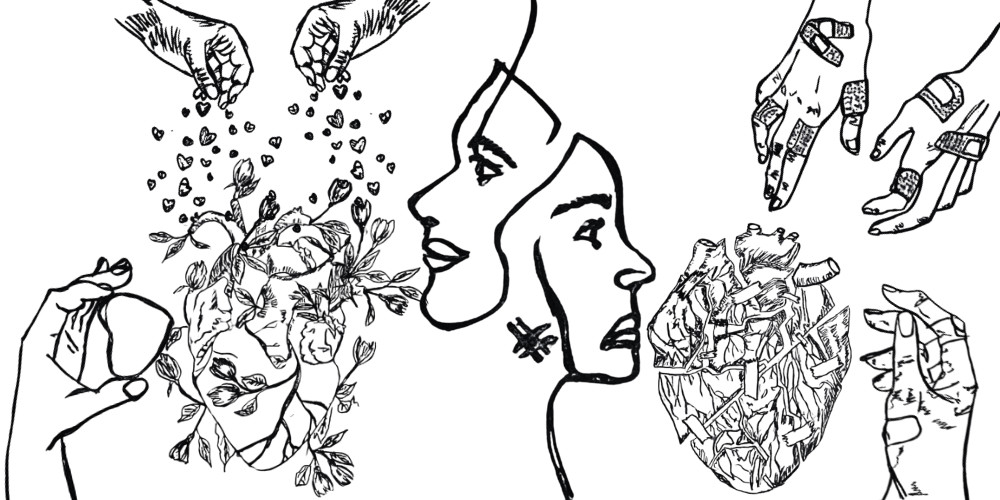
- Fixing says: “There’s something wrong with you.”
- Healing says: “There’s something hurting inside you.”
- Fixing says: “You need to be different.”
- Healing says: “You need to be heard.”
This shift may seem small, but it transforms everything. Once I stopped trying to improve myself and began truly listening, things softened. Therefore, I allowed myself to rest. Then, I reached out for help. During those quiet moments, I began to feel whole again — not because I changed, but because I stopped resisting who I already was.
Healing Doesn’t Mean You’ll Always Feel “Good”
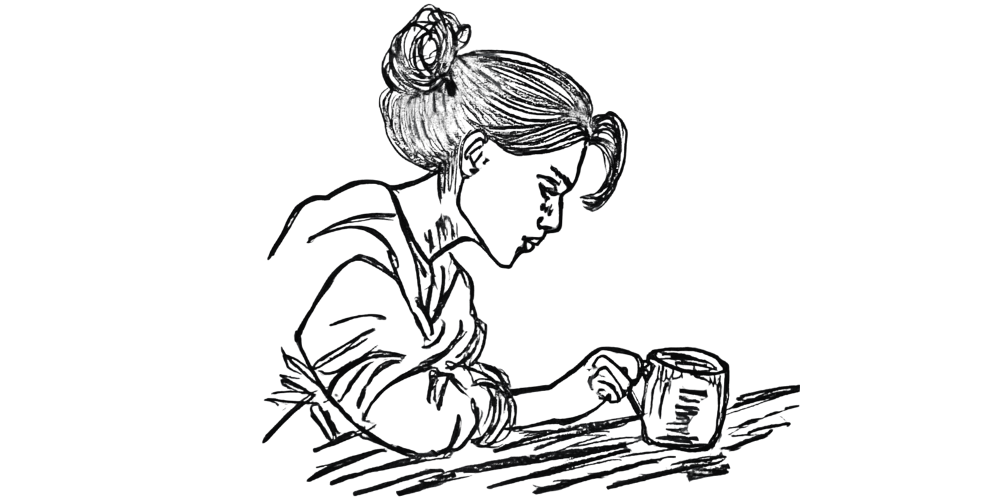
Healing doesn’t always feel like peace. In fact, it often shows up as exhaustion. Sometimes, it appears as anger. Other times, it arrives as laughter you didn’t expect. Although the path is rarely linear, it consistently brings you home to yourself. And in truth, that’s what makes it personal.
Indeed, what healing offers is not constant joy — it’s radical honesty. That truth opens space for a quiet kind of peace — one that stays with you, even through life’s chaos.
A Personal Message for You

If you’re tired of trying to fix yourself, start here: sit beside your pain. Say to it, “You’re allowed to be here.” There’s no need to fight for your worth. You already are enough — simply because you exist.
Healing doesn’t require transformation. Rather, it gives you permission. It means loving yourself, including the parts that hurt. And yes, you can come back to yourself, one gentle breath at a time.
🔗 Explore More on Emotional Growth
- When People Ignore Your Pain – A human guide to being seen
- Healing Emotional Wounds: 8 Tips to Help You Begin – Psychology Today
In the end, remember: healing doesn’t mean fixing yourself. It means loving the parts of you that hurt — and staying kind to yourself on the hardest days. That’s enough. That’s healing.