
How I Stopped Apologizing for My Feelings.
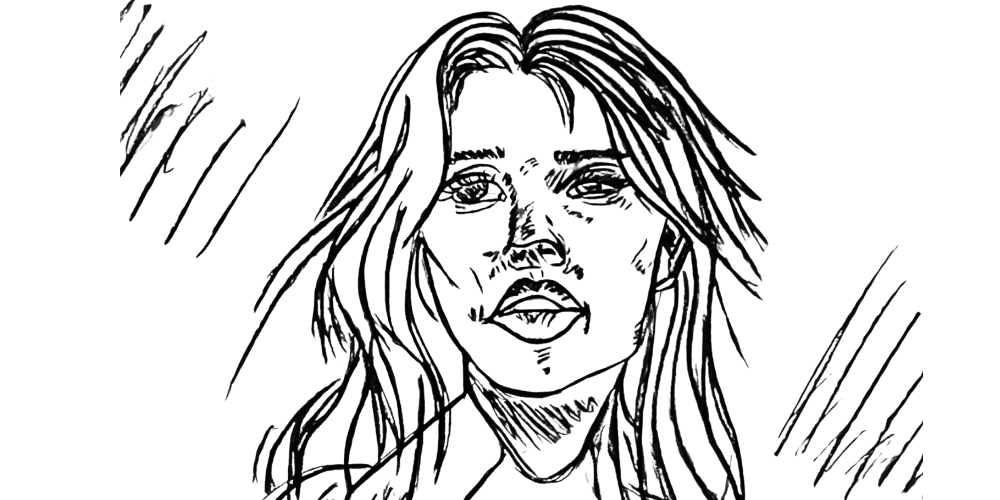
How I Stopped Apologizing for My Feelings began with something simple: noticing how often I said “sorry” when I felt something deeply. For most of my life, I carried a silent habit — apologizing for every emotion that surfaced. Sadness? Sorry. Anger? Sorry. Tears? Definitely sorry. It was as if having emotions made me a burden. I didn’t realize I was apologizing not just to others — but to myself. And slowly, I began to disappear beneath those apologies.
Why We Apologize for Our Feelings
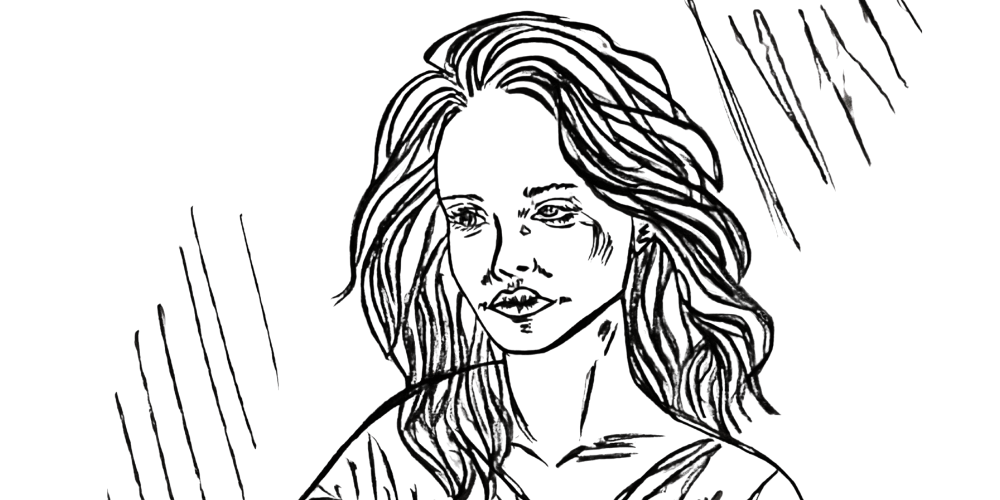
From a young age, many of us are taught—subtly or directly—that certain emotions are too much. We’re taught to smile, to be agreeable, to calm down. And when our big emotions rise, they often make others uncomfortable. So we shrink them. We protect others from our truth, thinking that’s what connection means.
But the truth doesn’t vanish just because it’s silenced. It sinks deeper. It turns into confusion, anxiety, guilt. And the more we apologize for feeling, the more we disconnect from who we truly are. When we hide our feelings, we start hiding ourselves.
My Turning Point: The Day I Didn’t Say Sorry
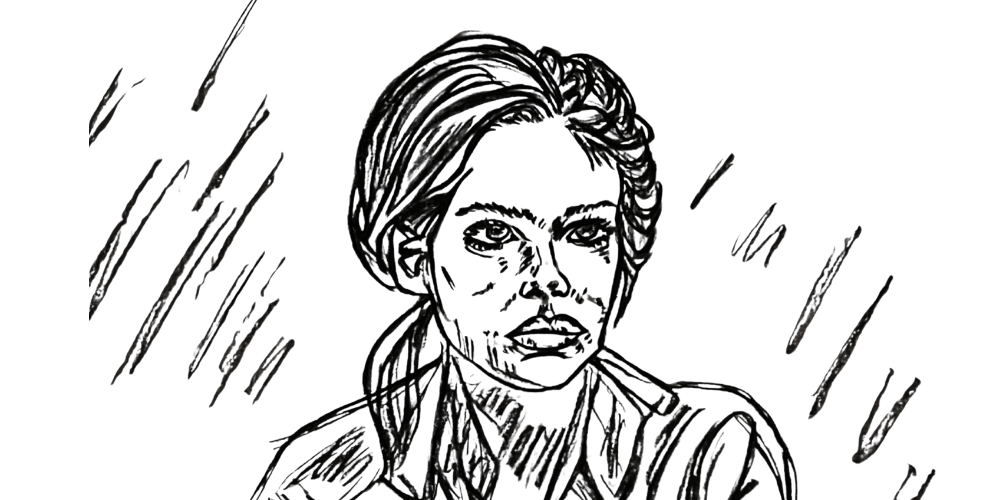
I remember a day that changed everything. I was crying in front of someone I trusted deeply. As usual, I reached for a tissue and opened my mouth to say “I’m sorry.” But I paused. I felt the old reflex… and chose something else. I said, “Thank you for being here.”
That moment cracked something open. It wasn’t dramatic. It was human. I saw that my feelings weren’t mistakes—they were messengers. And for the first time, I welcomed them without shame.
How I Learned to Honor My Feelings
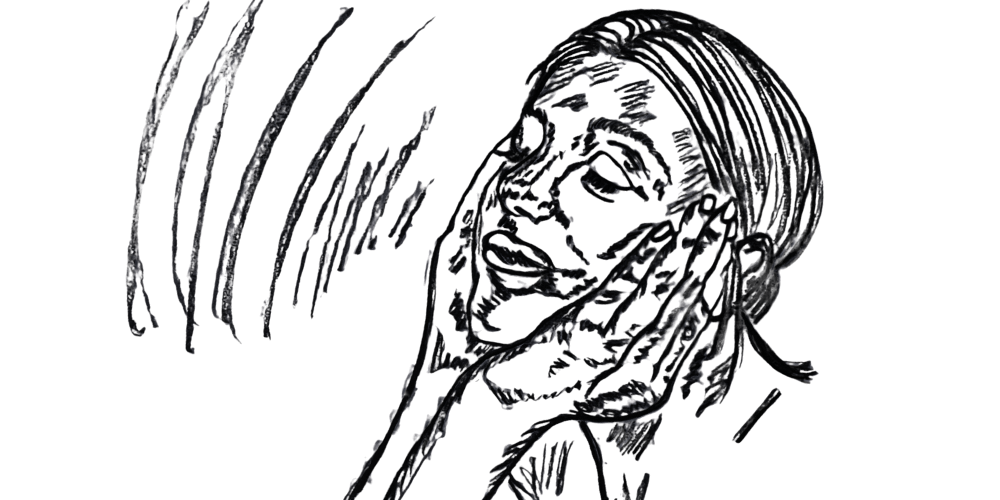
- I paused before reacting: Instead of rushing into “sorry,” I gave myself a breath. That tiny pause became sacred.
- I started naming what I felt: Naming the emotion out loud helped me validate my own inner world. “I feel overwhelmed.” “I feel hurt.”
- I began journaling my real voice: Writing gave space to parts of me I used to hide. It helped me discover that my feelings were valid, not shameful.
- I practiced replacing apology with presence: I said, “Thank you for listening.” Or simply stayed silent. That was enough.
What Happens When You Stop Apologizing
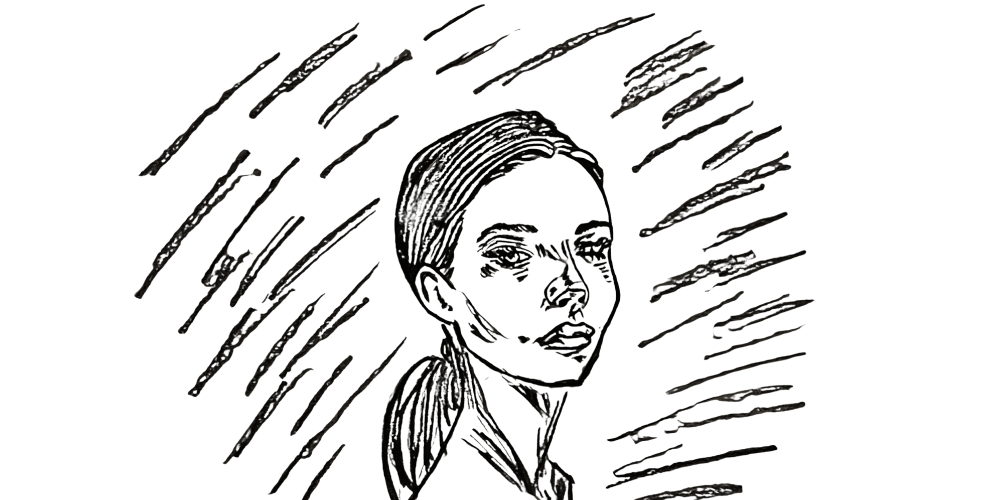
Something shifts inside. You begin to reclaim your voice. You start to feel more honest, more grounded. Not everyone will understand your change—but you will. And that matters more than anything.
When you stop apologizing for your feelings, you build a safer space inside yourself. You start to trust your inner world instead of fearing it. You let go of performing comfort for others, and begin offering compassion to yourself.
A Gentle Reminder for You
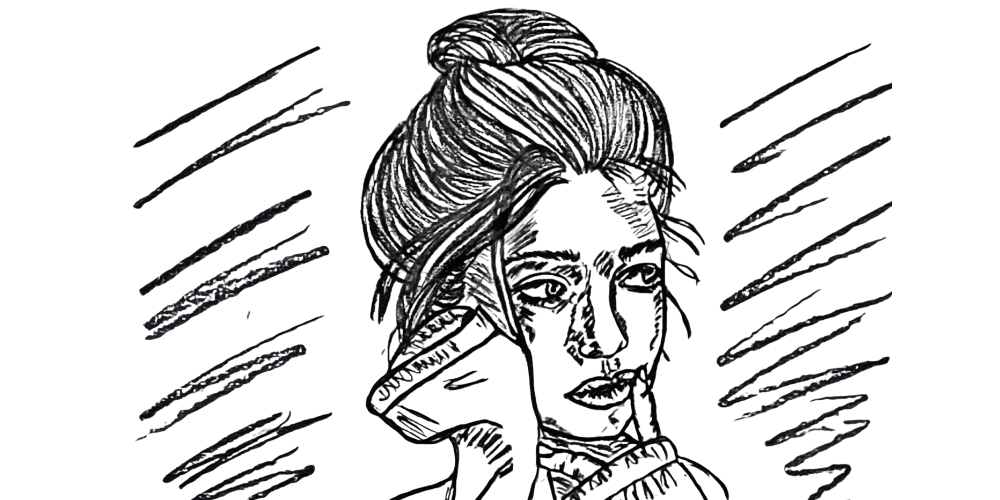
Your feelings are not flaws. They are doorways. They are signals. They are how your heart speaks. You don’t need to apologize for being alive, sensitive, present, or deeply human.
So next time you feel the urge to say “sorry” for your tears or your truth—pause. Breathe. Say, “This is me. I feel this. I’m here.” That moment could change everything.
🔗 Explore More on Emotional Healing
- When People Ignore Your Pain – A reflection on silent suffering
- What Is Validation in Therapy & Why It Matters – PositivePsychology.com
How I Stopped Apologizing for My Feelings wasn’t just a change in words — it was the beginning of finally coming home to myself.