
I Didn’t Recognize Myself — And That Was Beautiful.
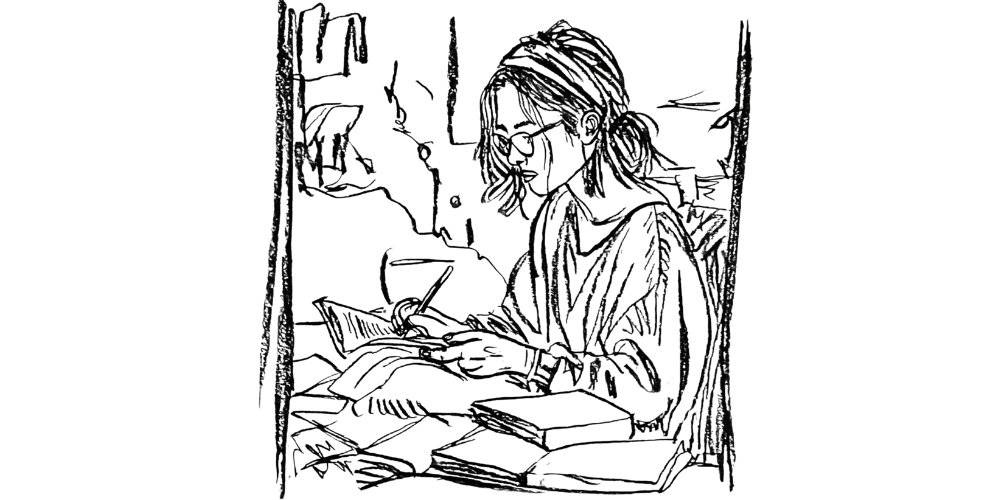
This was written on a quiet afternoon when I realized I had become someone I hadn’t planned to be — and it felt like freedom.
I used to believe that growth would feel loud — like a clear “before” and “after,” like a dramatic turning point I could explain to anyone.
But the truth is quieter.
Sometimes growth looks like a simple moment in front of a mirror, when something in your posture feels different,
and you realize: I didn’t recognize myself.
The surprising part wasn’t the unfamiliarity.
It was the relief.
I didn’t feel lost.
I felt lighter — as if an old identity had finally loosened its grip.
And in that gentle unfamiliarity, I found something beautiful.
The Day I Didn’t Recognize Myself
There was a time when I knew myself only through my struggles.
My identity was built from the stories of my pain, my fears, and the labels I had quietly accepted from others.
I didn’t even realize I was carrying them — until I began to put them down.
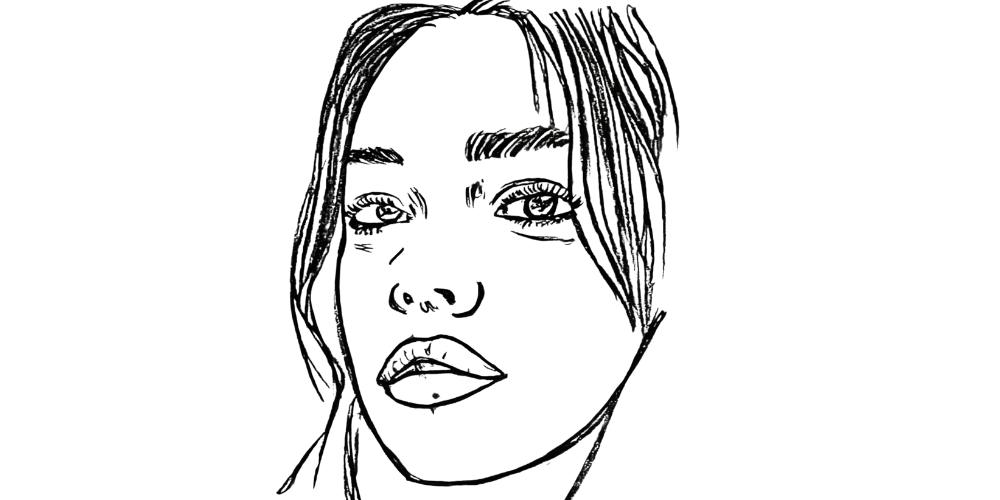
That day, I looked at myself and felt something new.
Her eyes held softness instead of tension.
Her shoulders carried less weight.
She didn’t look like someone trying to prove her worth.
She looked like someone learning to live.
And I thought, with a strange tenderness: I didn’t recognize myself.
“You don’t have to go back to who you were to be worthy of love.”
The Subtle Shifts When I Didn’t Recognize Myself
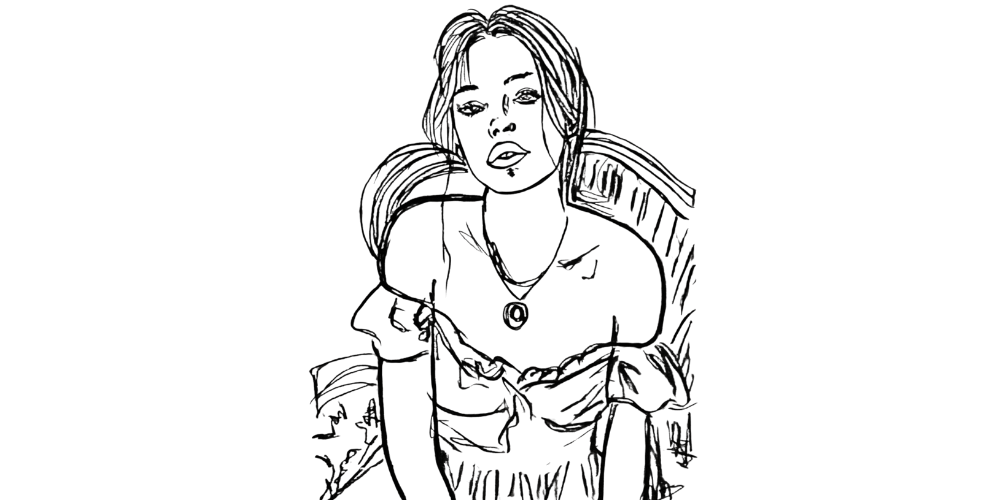
We rarely notice the exact moment we change.
It happens in pauses, in small choices we make differently without realizing it:
the way we say no without apologizing,
the way we stop explaining ourselves,
the way we allow silence to exist without rushing to fill it.
Little by little, the old reflexes soften.
The old fears become less convincing.
The old version of you starts to feel like a coat you once needed — but no longer fits.
And then one day, you look at yourself and think: I didn’t recognize myself… and thank goodness for that.
Three quiet signs you’re changing
- You recover faster after disappointment instead of spiraling for days.
- You stop chasing approval from people who don’t know your inner world.
- You choose softness where you used to choose self-criticism.
Letting Go When You Don’t Recognize Yourself
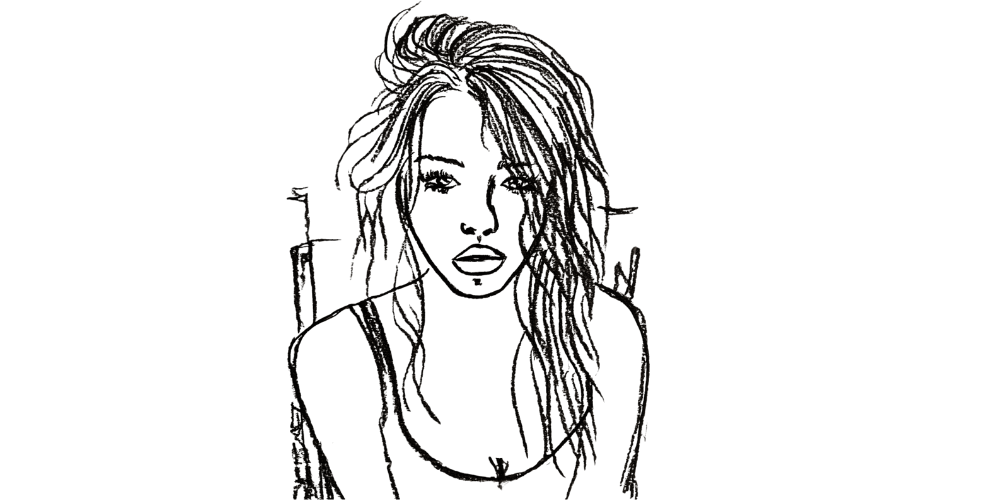
I used to grieve the parts of me I thought I had “lost.”
Now I see them as chapters — ones that shaped me but were never meant to become my entire story.
The version of me who survived was brave.
But she doesn’t have to carry every page forever.
Letting go doesn’t mean rejecting who you were.
It means honoring who you were — and still allowing who you are becoming.
It means saying: “Thank you for getting me here.”
And then gently stepping forward anyway.
If you want a calm way to explore this, you can use my internal prompts here:
Self-Discovery Journal Prompts.
I don’t use journaling to overthink — I use it to witness myself with honesty.
Finding Beauty When You Don’t Recognize Yourself
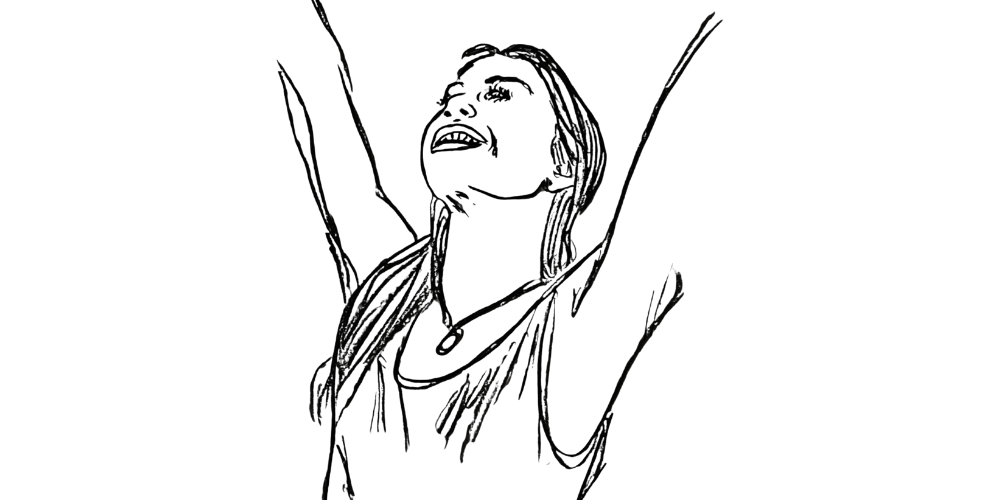
The most surprising part of that moment was this:
I didn’t want to “find” my old self again.
I didn’t want to return to what was familiar just because it was familiar.
I wanted to meet this new version fully —
to listen to her voice, trust her instincts, and see where she might lead me.
Change used to scare me because it felt like losing control.
Now it feels different.
Now it feels like an invitation —
not to become perfect, but to become present.
If you like a gentle external resource, this self-compassion meditation page by Kristin Neff is a solid reference:
Guided self-compassion meditations (Kristin Neff)
.
FAQ: “I Didn’t Recognize Myself” Moments
Is it normal to feel unfamiliar to yourself after growth?
Yes. When you outgrow survival patterns, the new calm can feel strange at first.
Familiar doesn’t always mean healthy — sometimes it just means “what you’re used to.”
What if I miss my old self?
Missing your old self can be a form of tenderness.
You can miss her and still choose your new life.
You can honor the past without moving back into it.
How do I support this new version of me?
Try one small daily act that tells your nervous system: “I’m safe now.”
A slower morning, a boundary, a short walk, a journal line, a quiet no.
Small actions build a new identity gently.
A closing journal prompt
If you write today, try this:
“What part of me is emerging — and what does she need from me this week?”
Suggested next reads
If you didn’t recognize yourself lately, you don’t have to panic.
Sometimes it simply means you’re no longer living from the same old wounds.
Sometimes it means you’re becoming someone quieter… freer… and more true.
And yes — that can be beautiful.