
Why Protecting Your Energy Is Not Selfish (And Never Was)
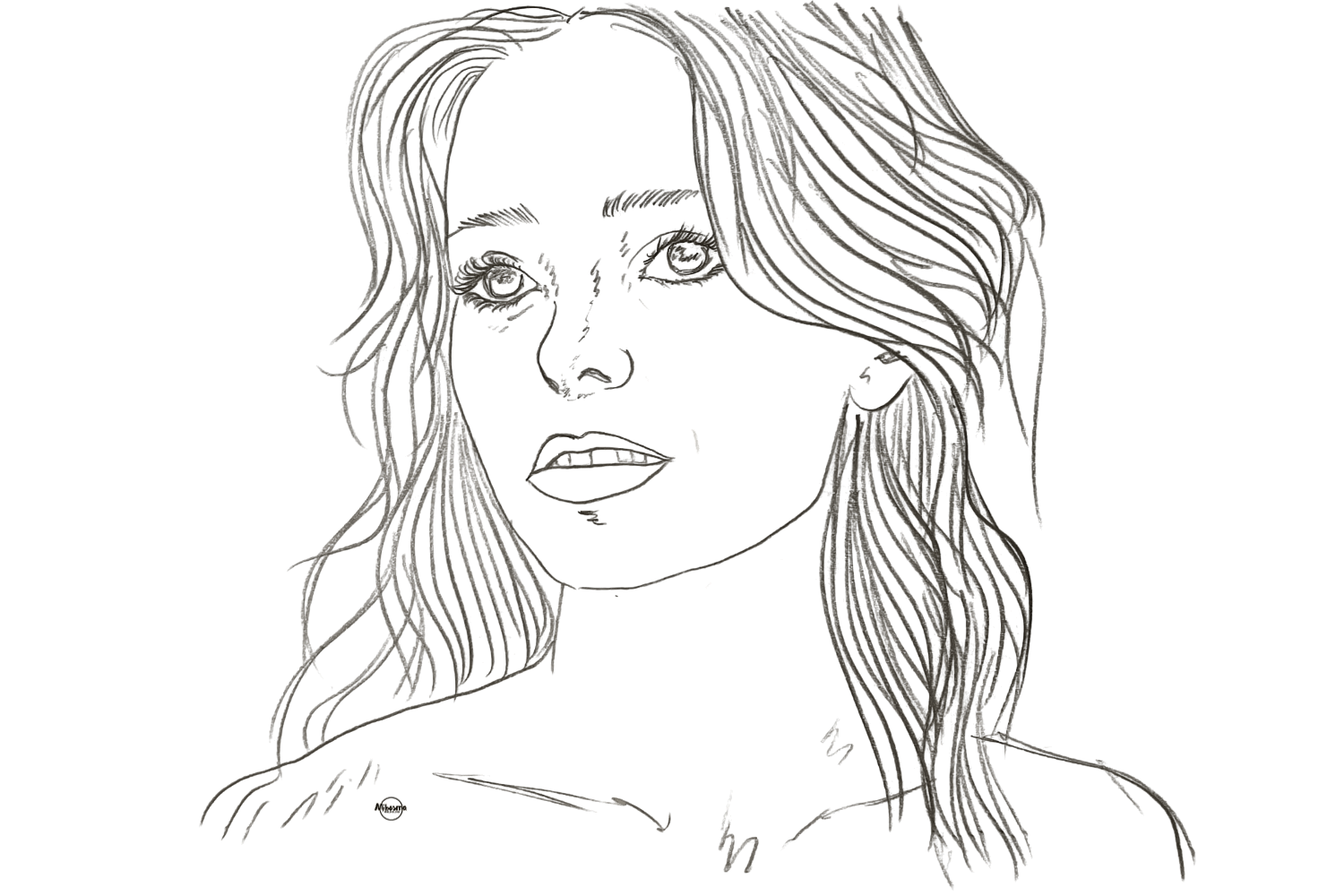
Protecting your energy is not about loving people less. It is about making sure there is enough of you left to live your own life.
Not Everyone Gets Full Access to Me: Why Protecting Your Energy Changes Everything
Many people grow up believing that kindness means being available to everyone. They answer every message, accept every invitation, listen to every problem, and make space for everyone else’s needs. At first, this generosity feels like a virtue. It creates the image of someone caring, dependable, and supportive. Yet there is a difference between kindness and unlimited access. When everyone is allowed to take from us whenever they wish, we often discover too late that we have neglected ourselves in the process.
I was reminded of this through a story set in a world very different from our own. In this world, every person is born with a visible social energy that appears as a golden light surrounding them. Some people possess only a faint glow while others shine brightly enough to illuminate entire rooms. Among them all, there was a woman named M whose light was the brightest in the city.
People were naturally drawn to her warmth. Strangers shared their problems with her on the subway. Coworkers sought her advice whenever they felt overwhelmed. Friends called her whenever they needed support. Invitations arrived constantly, and requests seemed endless. M welcomed all of it. She listened patiently to people she barely knew. She accepted every invitation. She comforted colleagues who forgot her name the following day. She offered encouragement, understanding, and attention to anyone who needed it.
What M failed to notice was that every interaction consumed a small portion of her light. Day after day she continued giving. Day after day her golden glow became weaker. Most people never noticed because they were focused on receiving what she offered. They appreciated her presence, her kindness, and her attention, but very few stopped to wonder whether she had anything left for herself.
One evening, after another exhausting day, M stood in front of a mirror and saw something that shocked her. The brilliant golden light that had once surrounded her was nearly gone. Looking back at her was a tired gray silhouette, drained by years of giving more than she could sustain. Overwhelmed by exhaustion, she sank into a chair and realized that something had to change.
The following morning, she made a decision that would transform her life. She imagined an invisible boundary around herself and repeated a simple sentence until it became a promise. “Not everyone gets full access to me.” From that day forward, she began organizing her relationships differently. Acquaintances, coworkers, and casual contacts would receive kindness, respect, and professionalism, but her deeper energy would remain protected. Trusted friends would receive honesty and meaningful conversation, but even those relationships would respect healthy limits. Then there was the sacred circle, reserved for only three people: her mother, her childhood friend, and herself. These were the people who held the key to her deepest thoughts, fears, dreams, and emotions.
The reaction was immediate. Some people called her selfish. Others called her distant. A few accused her of changing. The opportunists who had benefited most from her unlimited generosity became frustrated when they discovered that the door was no longer open. Yet beneath the criticism, something remarkable began to happen. Her golden light slowly returned. Not only did it return, it became brighter than it had ever been before. For the first time in years, she had enough energy to pursue her own dreams. She no longer gave out of obligation. She gave out of choice. Her presence became rarer, but it also became more genuine.
One afternoon, an old friend who had disappeared from her life years earlier approached her in a café. After asking for a favor, he complained about how distant she had become. M smiled calmly. Surrounded by the glow she had fought so hard to protect, she gave a simple answer. “My light is not a public service. I’ve learned to protect my energy. Not everyone gets full access to me.”
The friend stood speechless as she walked away. For the first time in a very long time, her steps felt light. Her golden glow followed her through the city, brighter than ever before, and this time no one would be allowed to take it without permission.
The story may be fictional, but the lesson feels surprisingly real. Many of us spend years believing that being a good person requires unlimited availability. We fear disappointing others. We fear appearing selfish. We fear creating boundaries that might upset people. Yet sometimes the healthiest thing we can do is recognize that our energy is valuable. Not everyone needs access to every part of us. Perhaps protecting our light is not selfishness at all. Perhaps it is the reason the light survives.
Why Some People Feel Entitled to Our Energy
One of the most difficult parts of creating boundaries is not the boundary itself. It is the reaction that often follows. Many people are surprised to discover that the moment they begin protecting their time, attention, and emotional energy, certain relationships suddenly become tense. Individuals who once seemed comfortable and supportive may become frustrated, disappointed, or even angry.
This reaction can be confusing at first. After all, setting a healthy boundary does not usually involve harming anyone. It simply involves recognizing that our resources are limited. Yet some people respond as though a personal privilege has been taken away from them. The reason is often simple. They had become accustomed to unrestricted access.
When someone has always been available, their availability can gradually become expected rather than appreciated. What was once viewed as generosity starts to feel like an obligation. The person answering every call, solving every problem, and providing endless emotional support may no longer be seen as someone offering a gift. Instead, they become viewed as a resource that should always be accessible.
This dynamic appeared clearly in M’s story. While her golden light was available to everyone, very few people questioned whether constantly taking from it might affect her. They enjoyed the warmth, support, and attention she provided. Yet when she finally decided to protect herself, many reacted as though she had done something wrong. In reality, the only thing that had changed was access.
Psychologically, people become attached not only to individuals but also to patterns. When a certain pattern exists for a long time, any change can create discomfort. Someone who is accustomed to receiving immediate support may interpret a boundary as rejection. Someone who benefited from unlimited access may mistake self-respect for selfishness. The boundary itself is not necessarily the problem. The disruption of expectation is often what causes the strongest reaction.
This is why criticism is not always a reliable indicator that a boundary is unhealthy. Sometimes criticism simply reveals that another person preferred the previous arrangement because it benefited them. The people who respected your needs before the boundary was established will usually continue respecting them afterward. Those who relied on your lack of boundaries may struggle much more with the change.
Of course, not everyone who feels disappointed is acting selfishly. Healthy relationships naturally involve adjustment when circumstances change. Friends, family members, and partners may need time to understand new limits. The important distinction is whether they eventually respect those limits or continue trying to pressure you into abandoning them.
M discovered something many people eventually learn for themselves. The individuals who truly cared about her well-being adapted to the new reality. They respected her boundaries and appreciated the energy she chose to share. The people who only valued access became increasingly frustrated because the relationship had never been based on mutual respect in the first place.
This realization can be uncomfortable, but it is also clarifying. Boundaries often reveal the true nature of our relationships. They show us who values us as human beings and who values us primarily for what we provide. While this discovery may lead to disappointment, it can also lead to healthier and more authentic connections.
Perhaps this is one of the hidden gifts of protecting our energy. Boundaries do not only conserve our resources. They also help us understand where our energy is genuinely appreciated and where it has simply become expected. And that knowledge can be just as valuable as the energy we save.
The Difference Between Kindness and Overgiving
Many people struggle with boundaries because they confuse kindness with overgiving. They assume that being a caring person means always saying yes, always being available, and always putting other people’s needs ahead of their own. Over time, this belief can become so deeply rooted that any attempt to create limits feels selfish, even when those limits are necessary for their well-being.
Kindness and overgiving may look similar from the outside, but they come from very different places. Kindness is a choice. It is something we offer freely because we genuinely want to contribute to another person’s well-being. Overgiving, on the other hand, often comes from pressure. It may be driven by guilt, fear of disappointing others, fear of rejection, or the belief that our worth depends on how much we provide.
When kindness is healthy, both people benefit. The person receiving support feels cared for, and the person offering support remains emotionally balanced. Overgiving creates a different dynamic. One person continuously gives while the other continuously receives. At first, this imbalance may seem manageable, but eventually it begins to drain the giver’s energy, time, and emotional resources.
M’s story illustrates this perfectly. Her problem was not that she cared too much. Caring was one of her greatest strengths. The problem was that she allowed almost everyone access to the same level of attention, emotional investment, and support. There was no distinction between a casual acquaintance and someone who had earned a place in her inner circle. Her generosity had no structure, and because it had no structure, it eventually consumed her.
Many people recognize themselves in this pattern. They answer messages immediately even when they are exhausted. They agree to favors they do not have time for. They listen to endless complaints while ignoring their own needs. They give and give until resentment begins to replace compassion. Ironically, the very desire to be kind can eventually make them less patient, less present, and less emotionally available.
This is one reason boundaries are not the opposite of kindness. In many cases, boundaries make kindness sustainable. They ensure that generosity comes from a place of choice rather than obligation. They allow us to help others without constantly sacrificing ourselves. Instead of giving everything to everyone, we learn to give intentionally.
Healthy kindness recognizes that energy is a limited resource. Just as we cannot spend money indefinitely without replenishing it, we cannot continuously spend emotional energy without rest, recovery, and self-care. Ignoring this reality does not make us more loving. It simply increases the likelihood that we will eventually become exhausted.
When M created her circles, she was not becoming cold. She was becoming intentional. She still treated people with respect. She still offered support when appropriate. The difference was that she stopped treating every relationship as though it deserved unrestricted access to her deepest energy. She learned that generosity does not require the absence of limits.
Perhaps this is one of the most important lessons about kindness. A healthy heart does not need to be open to everyone in the same way. Some people belong in the outer circle. Some belong closer. A very small number may earn access to the most private parts of who we are. Recognizing these differences is not selfish. It is simply an acknowledgment that our energy, like our time and attention, is precious.
True kindness is not measured by how much of yourself you give away. It is measured by the sincerity behind what you choose to give. Sometimes the most compassionate thing we can do is protect our energy so that when we share it, we can do so wholeheartedly rather than from a place of exhaustion.
Why Boundaries Make Relationships Healthier
Many people fear that boundaries will damage their relationships. They worry that saying no will push people away, that protecting their time will seem selfish, or that limiting access to their emotional energy will create distance. Because of these fears, they often tolerate situations that leave them exhausted, hoping that constant availability will strengthen their connections with others.
Ironically, the opposite is often true. Relationships tend to become healthier when clear boundaries exist. Boundaries create clarity. They help people understand what is acceptable, what is not, and what each person needs in order to remain emotionally balanced. Without this clarity, relationships can slowly become shaped by assumptions, resentment, and unspoken expectations.
One of the reasons boundaries are so important is that they protect authenticity. When people feel pressured to give more than they can realistically offer, they often begin acting from obligation rather than genuine care. They say yes when they want to say no. They agree to conversations when they need rest. They offer support while secretly feeling depleted. Over time, this disconnect can create frustration that weakens the relationship itself.
Healthy boundaries reduce this tension. They allow people to be honest about their needs and limitations. Instead of pretending to have endless energy, they acknowledge that their resources are finite. This honesty creates a stronger foundation for trust because both people are interacting with reality rather than with unrealistic expectations.
M discovered this after she established her circles. At first, some people interpreted her boundaries as rejection. They assumed she cared less because she was no longer available all the time. Yet the people who remained in her life eventually experienced something different. When she chose to spend time with them, she was fully present. When she listened, she had the energy to listen well. When she offered support, it came from genuine willingness rather than exhaustion.
This is one of the hidden benefits of boundaries. They improve the quality of what we give. Unlimited access often leads to diluted attention because our energy is spread too thin. Boundaries help concentrate our energy where it matters most. They allow us to show up more fully for the relationships that are truly important.
Boundaries also encourage mutual responsibility. In unhealthy dynamics, one person may become the constant helper while the other becomes the constant receiver. This imbalance can prevent both individuals from growing. The giver becomes exhausted, and the receiver becomes dependent. Healthy boundaries interrupt this pattern by encouraging each person to take responsibility for their own emotional well-being.
Another reason boundaries strengthen relationships is that they reveal respect. People who genuinely care about us may not always understand our limits immediately, but they eventually learn to respect them. They recognize that protecting our energy is not a rejection of the relationship. It is an act of self-care that allows the relationship to remain sustainable over time.
Perhaps the most important thing boundaries offer is freedom. They free us from the belief that love requires constant sacrifice. They free us from the pressure to meet every expectation. They free us from the exhaustion that comes from trying to be everything for everyone. In that freedom, relationships often become more honest, more balanced, and more meaningful.
M’s golden light did not become brighter because she stopped caring about people. It became brighter because she finally stopped giving away parts of herself that needed protection. The people who truly valued her did not lose access to her warmth. They simply began receiving it from a place of abundance rather than depletion. And that made all the difference.
The People Who Dislike Your Boundaries Most
One of the most surprising things about setting boundaries is discovering who struggles with them. Many people expect healthy limits to be welcomed because boundaries promote honesty, respect, and balance. Yet when someone who has always been available suddenly begins protecting their energy, the strongest reactions often come from the people who benefited most from the absence of those boundaries.
This can be a confusing experience. When M decided that not everyone would have full access to her, she was not attacking anyone. She was not becoming cruel, dismissive, or indifferent. She was simply recognizing that her energy was limited and choosing to protect it more carefully. Yet some people reacted as though she had personally offended them.
The reason is often less complicated than it appears. Boundaries change existing patterns. If someone has become accustomed to unlimited access, any reduction in that access can feel like a loss. The person may not consciously realize that they have been relying too heavily on another individual’s time, attention, or emotional support. All they know is that something they once received freely is no longer available in the same way.
People who respect others as individuals usually adapt. They may need time to understand the new limits, but they recognize that everyone has a right to manage their own energy. They understand that a boundary is not a punishment. It is simply information about what another person needs in order to remain healthy and balanced.
The people who struggle most with boundaries often reveal something important about the relationship. They may have become attached not to the person themselves but to the benefits they received from that person’s availability. As long as their needs were being met, the relationship felt comfortable. When the flow of energy changes, their frustration becomes visible.
This does not necessarily make them bad people. Human beings naturally become comfortable with familiar patterns. However, their reaction can provide valuable information. It can help us distinguish between relationships built on mutual respect and relationships built primarily on convenience.
M discovered this when some people drifted away after she established her circles. At first, their departure felt disappointing. She wondered whether she had made a mistake. Over time, however, she began to see the situation differently. The people who genuinely cared about her remained. They respected her limits and appreciated the energy she chose to share. The people who disappeared were often the same individuals who had expected access without reciprocity.
This experience is common in real life as well. Boundaries often act like filters. They reveal which relationships can adapt and which ones depend on unhealthy expectations. While this process can feel uncomfortable, it also creates space for healthier connections to grow.
Many people avoid boundaries because they fear losing relationships. Yet maintaining relationships at the cost of constant exhaustion is rarely sustainable. If a connection survives only when one person continuously sacrifices their well-being, the relationship may already be carrying an imbalance that needs attention.
Perhaps one of the most important lessons about boundaries is that they do not create selfishness. They reveal it. The people who genuinely care about us may not always enjoy our limits, but they ultimately respect them. Those who become angry simply because they can no longer take as much as they once did often reveal more about their expectations than about our choices.
M’s light became brighter not because everyone approved of her decision but because she finally stopped measuring the health of her boundaries by other people’s reactions. She learned that protecting her energy was not her responsibility to justify. It was her responsibility to practice. And once she understood that, the criticism of others lost much of its power.
Protecting Your Energy Without Feeling Guilty
For many people, the hardest part of creating boundaries is not deciding what they need. The hardest part is dealing with the guilt that follows. Even when they know they are exhausted, overwhelmed, or emotionally depleted, they still feel uncomfortable saying no. They worry about disappointing others. They fear being misunderstood. They wonder whether protecting themselves somehow makes them selfish.
This guilt often develops because many of us were taught to associate goodness with self-sacrifice. We learned that being helpful meant always being available. We learned that caring meant putting other people’s needs ahead of our own. While generosity is valuable, these lessons can become harmful when they convince us that our own well-being matters less than everyone else’s.
M experienced this conflict as well. When she first created her circles, she did not immediately feel confident. Part of her questioned whether she was becoming cold. Part of her wondered if the people criticizing her were right. After years of giving freely, choosing limits felt unfamiliar. It felt uncomfortable. Yet discomfort and wrongdoing are not the same thing.
Many healthy changes feel uncomfortable at first simply because they challenge old habits. Someone who has spent years saying yes to everything may feel guilty the first time they say no. Someone who has spent years prioritizing others may feel selfish the first time they choose rest. These feelings are understandable, but they are not always reliable indicators of what is right.
One helpful question to ask is this: Would you expect someone you care about to live the way you are living? If a close friend constantly ignored their own needs, answered every request, and exhausted themselves trying to keep everyone happy, would you consider that healthy? Most people would immediately recognize the problem. Yet they often hold themselves to a different standard.
The truth is that protecting your energy is not an act of selfishness. It is an act of responsibility. Your emotional energy influences every area of your life. It affects your relationships, your health, your creativity, your work, and your ability to pursue your own goals. When that energy is consistently depleted, everything else begins to suffer as well.
Healthy boundaries are not walls designed to keep people out. They are filters that help determine where your energy goes. They allow you to remain generous without becoming exhausted. They allow you to care about others without abandoning yourself. Most importantly, they help ensure that your kindness comes from genuine willingness rather than resentment or obligation.
M eventually realized that the people who truly cared about her did not want her to live in a constant state of exhaustion. They wanted her to thrive. They understood that protecting her energy was not a rejection of them. It was an investment in her own well-being. Once she understood this, the guilt began to lose its influence.
Perhaps this is why guilt should not always be treated as a signal that something is wrong. Sometimes guilt simply appears because we are breaking an old pattern. Sometimes it appears because we are choosing ourselves in situations where we once would have abandoned our own needs. The feeling may be uncomfortable, but that does not mean the decision is unhealthy.
Protecting your energy does not require you to stop being kind. It does not require you to stop caring. It simply requires you to recognize that your light is valuable. Just as M learned, not everyone needs full access to it. And the more carefully you protect it, the more genuine warmth you will have available for the people and experiences that truly matter.
What Psychology Says About Boundaries and Emotional Energy
The idea of protecting our energy may sound like a modern self-help concept, but psychology has been studying boundaries, emotional well-being, and interpersonal relationships for decades. Research consistently shows that healthy boundaries play an important role in reducing stress, preventing burnout, and supporting psychological well-being. Far from being selfish, boundaries help people maintain the emotional resources necessary to function effectively in both their personal and professional lives.
One reason boundaries are so important is that emotional energy is not unlimited. Every conversation, responsibility, decision, and relationship requires some degree of psychological effort. When people continuously give their time, attention, and emotional support without adequate recovery, they often experience emotional exhaustion. This exhaustion can lead to increased stress, irritability, reduced motivation, and a diminished ability to care for both themselves and others.
Psychologists have also found that people who struggle to establish healthy boundaries are often more vulnerable to burnout. They may feel responsible for solving other people’s problems, managing other people’s emotions, or meeting unrealistic expectations. While these behaviors frequently come from good intentions, they can gradually create a pattern of chronic emotional depletion.
Healthy boundaries help interrupt this cycle. They allow individuals to recognize where their responsibilities end and where another person’s responsibilities begin. This distinction is important because it prevents people from carrying emotional burdens that do not truly belong to them. Instead of feeling obligated to fix every problem they encounter, they learn to offer support while still respecting their own limits.
Research also suggests that self-respect and boundary-setting are closely connected. People who recognize the value of their own time, energy, and emotional well-being are generally more likely to create sustainable relationships. They understand that caring for others does not require abandoning themselves. In fact, maintaining their own well-being often enables them to contribute more effectively over the long term.
M’s story illustrates this principle beautifully. Her golden light can be understood as a symbol of emotional energy. When she allowed unrestricted access to everyone, that energy gradually disappeared. Once she established healthier limits, her energy recovered. While the story is fictional, the psychological lesson reflects a reality that many people experience. Boundaries do not reduce our capacity to care. They help preserve it.
Another important finding from psychological research is that relationships tend to be healthier when expectations are clear. Boundaries provide that clarity. They help people understand what is available, what is not, and how to interact respectfully with one another. Without boundaries, relationships can become confusing, unbalanced, and emotionally draining.
If you would like to learn more about the relationship between boundaries, stress, and emotional well-being, the American Psychological Association offers helpful resources on healthy relationships, self-care, and psychological resilience.
External Resource: American Psychological Association — Understanding Stress and Well-Being
Perhaps the most important lesson psychology offers is that boundaries are not barriers to connection. They are structures that make healthy connection possible. They help ensure that our energy is used intentionally rather than endlessly consumed. Just as M discovered, protecting our light does not make us less caring. It allows that light to keep shining.
Journaling: Who Has Access to Your Light?
One of the most powerful things about journaling is that it allows us to see patterns that are often hidden in daily life. Many people know they feel tired, overwhelmed, or emotionally drained, but they are not always sure why. They notice the exhaustion without identifying its source. Writing creates an opportunity to slow down and examine where our energy is going and whether those investments are helping us thrive or leaving us depleted.
M’s story offers a useful metaphor for this reflection. Imagine that your emotional energy is represented by a golden light. Every conversation, commitment, responsibility, and relationship either contributes to that light, protects it, or consumes it. Some people leave you feeling encouraged and understood. Others leave you feeling exhausted, anxious, or invisible. The difference is often easier to recognize once you take time to reflect on it intentionally.
The purpose of this exercise is not to judge the people in your life. It is to understand your relationship with your own energy. Healthy boundaries begin with awareness. Before we can decide who should have access to our time, attention, and emotional resources, we need to understand how those resources are currently being used.
Find a quiet place, open a notebook, and spend a few minutes exploring the questions below. Answer honestly and without self-criticism. Curiosity is far more helpful than judgment.
- Who are the people that consistently leave you feeling energized, supported, and understood?
- Who are the people that frequently leave you feeling emotionally drained?
- Do you give the same level of access to everyone, or do different relationships have different boundaries?
- When was the last time you said yes to something you genuinely wanted to decline?
- What fears make it difficult for you to establish healthier limits?
- Do you worry that people will see you as selfish if you protect your energy?
- Which relationships feel balanced and reciprocal?
- Which relationships seem to involve more taking than giving?
- If your energy were a golden light, who would belong in your outer circle, your trusted circle, and your sacred circle?
- What is one boundary you could create that would help protect your well-being without harming anyone else?
As you reflect, you may notice that some of your exhaustion comes not from doing too much but from giving too much access to too many people. You may also discover that certain relationships deserve more attention while others require healthier limits. These realizations are not signs of selfishness. They are signs of self-awareness.
If you would like additional support, you may find the Self-Discovery Questions Journal helpful for exploring your needs, values, and priorities. You can also use the Emotional Check-In Wheel to identify the emotions that arise when thinking about boundaries and relationships.
The goal of this exercise is not to build walls around yourself. The goal is to become more intentional about where your energy goes. Just as M learned, your light is valuable. The more consciously you protect it, the more fully you can share it with the people, goals, and experiences that truly deserve a place in your life.
Frequently Asked Questions About Boundaries and Protecting Your Energy
Is protecting my energy selfish?
No. Protecting your energy is not selfish. It is a form of self-respect. Just as you would protect your physical health by getting enough rest, it is important to protect your emotional well-being by creating healthy limits. Caring for yourself allows you to show up more fully in the areas of life that matter most.
Why do I feel guilty when I set boundaries?
Many people were taught to associate kindness with constant availability. As a result, saying no can feel uncomfortable even when it is necessary. Guilt does not automatically mean a boundary is wrong. Sometimes it simply means you are breaking an old habit and learning a healthier way of relating to others.
How do I know if someone is draining my energy?
Pay attention to how you feel after interacting with them. While every relationship requires effort at times, consistently feeling exhausted, anxious, resentful, or emotionally depleted after spending time with someone may be a sign that healthier boundaries are needed.
Can I be a kind person and still have strong boundaries?
Absolutely. Kindness and boundaries are not opposites. In fact, healthy boundaries often make kindness more sustainable because they allow you to give from a place of genuine willingness rather than obligation or exhaustion.
What should I do if people become upset when I create boundaries?
It is natural for some people to need time to adjust to new expectations. The important question is whether they eventually respect your limits. People who genuinely care about your well-being may not always like your boundaries, but they will usually learn to respect them.
Why do some people react so strongly to boundaries?
Boundaries change established patterns. If someone has become accustomed to unrestricted access to your time, attention, or support, they may experience a boundary as a loss. Their reaction often reflects the change in access rather than the healthiness of the boundary itself.
How can I set boundaries without becoming cold or distant?
Healthy boundaries are not about shutting people out. They are about being intentional with your energy. You can remain caring, compassionate, and supportive while still recognizing that not everyone needs access to every part of your life.
What if I am afraid of disappointing people?
Most people dislike disappointing others, especially those they care about. However, constantly disappointing yourself in order to avoid disappointing others is rarely sustainable. Healthy relationships can tolerate reasonable boundaries, even when they occasionally create discomfort.
How do I decide who belongs in my inner circle?
Trust, reciprocity, respect, and emotional safety are often good indicators. The people who consistently support your well-being, respect your boundaries, and value you for who you are rather than what you provide are often the ones who deserve deeper access to your life.
Can boundaries improve existing relationships?
Yes. Boundaries often improve relationships by creating clarity, reducing resentment, and encouraging mutual respect. They help ensure that connections are based on choice rather than obligation, making them healthier and more sustainable over time.
Final Reflection
As I think about M’s story, I find myself returning to the image of her standing in front of the mirror. The moment was not dramatic because her light had faded. The moment was dramatic because she finally saw what had been happening all along. For years, she had believed that being a good person meant making herself available to everyone. She had confused access with kindness and self-sacrifice with generosity. Like many people, she never questioned whether anyone had earned the right to receive so much of her energy.
The truth is that most of us possess some version of M’s golden light. It may not be visible to the world, but it exists. It appears in our attention, our compassion, our patience, our creativity, our time, and our emotional presence. Every day we decide where that energy goes. Sometimes we invest it wisely. Sometimes we give it away so freely that we forget we need some of it ourselves.
What makes M’s story powerful is not that she became less caring. It is that she learned to care differently. She stopped treating her energy as an unlimited resource. She stopped believing that every request deserved the same response. Most importantly, she stopped measuring her worth by how available she was to other people.
Many of us fear boundaries because we worry they will make us less loving. Yet healthy boundaries do not reduce love. They protect it. They ensure that our kindness remains genuine instead of becoming exhausted. They allow us to give from a place of choice rather than obligation. They help us preserve enough energy to support the people we care about while still honoring our own needs.
Perhaps this is why the people who truly belong in our lives rarely ask for unlimited access. They understand that every human being has limits. They respect our time, our emotions, and our well-being. They do not demand constant availability because they recognize that healthy relationships are built on mutual respect rather than unrestricted access.
M eventually discovered that her light became brighter not when she gave more, but when she became intentional about where she gave it. The people who mattered most did not receive less of her warmth. In many ways, they received more. Her energy was no longer diluted by exhaustion. It was no longer scattered across countless obligations. It was focused, genuine, and freely given.
Perhaps the lesson is simpler than it first appears. Not everyone needs access to every part of you. Not everyone needs your deepest thoughts, your unlimited attention, or your constant availability. Some people belong in the outer circle. Some belong closer. A precious few may earn a place in the sacred circle of your life.
Your energy is valuable. Your attention is valuable. Your emotional well-being is valuable. Protecting these things does not make you selfish. It makes you responsible for something that only you can protect.
M walked away from that café with her golden light shining brighter than ever before. The world around her had not changed. People still wanted access to her warmth. The difference was that she finally understood something many of us spend years learning. Her light was a gift, not a public service. And once she learned to protect it, no one could take it from her without permission.