
Why Speaking From Love Is Never Something to Regret
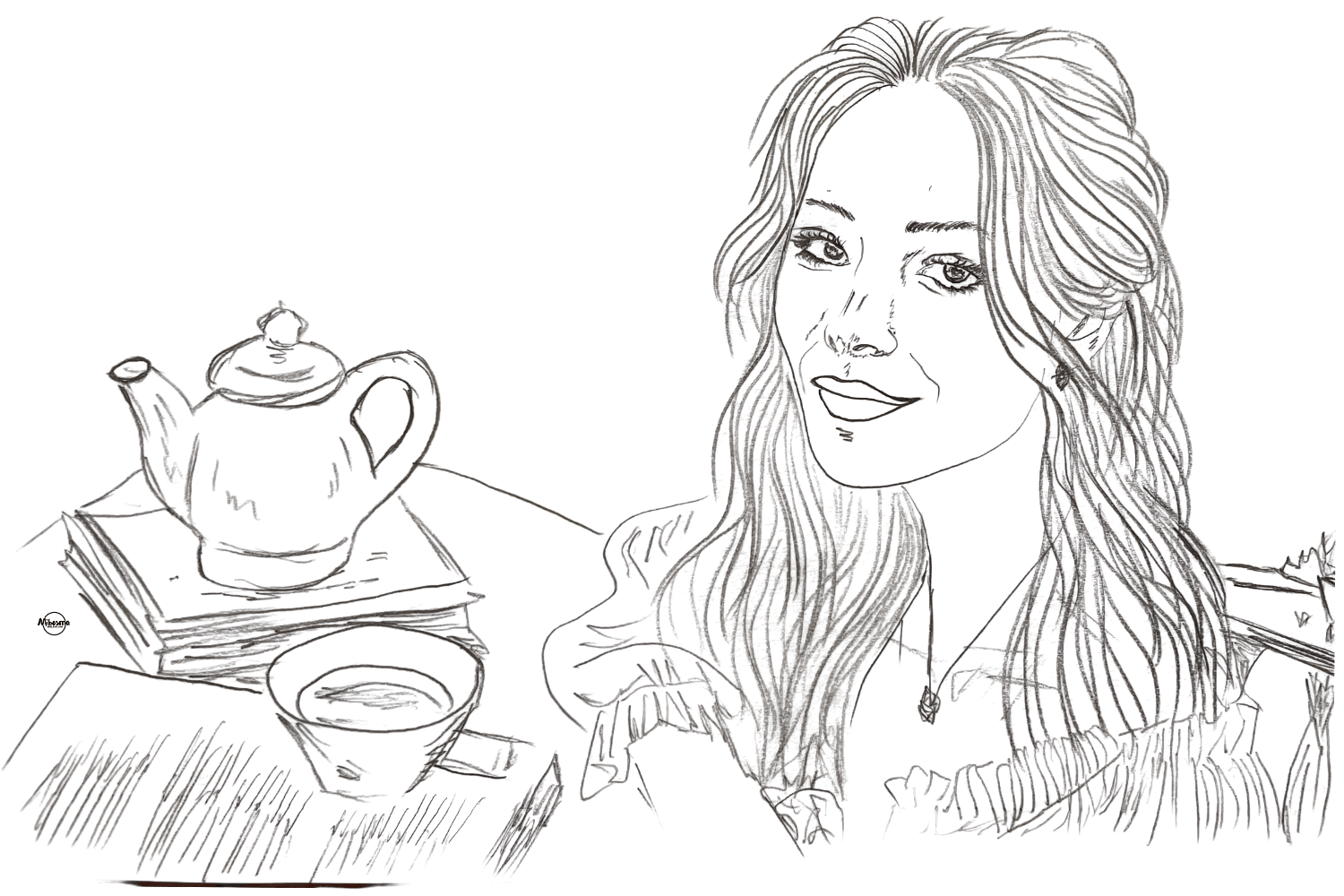
Love is not always measured by what comes back to us. Sometimes its value lies in the courage to express it honestly and allow it to shape who we become.
When I Speak From Love, I Don’t Regret It
Many people hesitate before expressing what they truly feel. They worry about saying too much, caring too much, or revealing emotions that may not be returned. In a world that often measures value through results and reciprocity, love can sometimes seem like a risky investment. We learn to protect ourselves. We learn to wait for certainty. We learn to calculate the chances of being understood, appreciated, or loved in return.
Yet some of the most meaningful experiences in life cannot be measured by what comes back to us. Their value exists in the giving itself.
I was reminded of this while reading an old story about a bookbinder who lived in a small mountain village. Every day, people brought him manuscripts damaged by time, weather, and years of use. His work was not simply to repair books but to preserve the stories, memories, and emotions they contained.
One snowy morning, a young woman entered his shop carrying a worn journal. Its pages were fragile, and its cover had nearly fallen apart. She asked the old bookbinder if he could restore it.
As he carefully repaired the journal, he could not help noticing its contents. Page after page contained reflections, hopes, and heartfelt words written to a man who had traveled to the other side of the world. The entries revealed a deep affection that had lasted for years. Yet there was something else that caught the bookbinder’s attention. The man had never replied.
When the restoration was complete, he gently returned the journal to its owner. Looking at her with genuine concern, he asked a question that many people would have considered reasonable.
“Why continue writing such beautiful words to someone who remains silent?” he said softly. “You risk hurting yourself.”
The young woman smiled. There was no bitterness in her expression, no disappointment, and no regret. Her eyes reflected a certainty that surprised him.
“When I speak from love, I do not regret it,” she replied. “What I feel helps me grow. Whether that love is returned or not, simply feeling it makes my life more beautiful.”
The old bookbinder watched her walk away through the falling snow. Long after she had disappeared from view, her words remained with him. In that moment, he understood something he had never fully considered before. Perhaps the deepest forms of love are not defined by what they receive. Perhaps their value exists in what they bring into the life of the person who feels them.
We often think of love as an exchange. We give affection and hope it will be returned. We offer kindness and hope it will be appreciated. We express our feelings and hope they will be understood. While there is nothing wrong with these desires, they can sometimes cause us to forget something important. Love has a value that exists independently of the outcome.
The young woman understood this. She was not measuring her feelings by another person’s response. She was measuring them by the way they expanded her own heart, deepened her appreciation of life, and allowed her to experience the world with greater warmth.
Her words invite a difficult question. What would change if we stopped judging our expressions of love solely by the reactions they produce? What if speaking from love was worthwhile not because it guaranteed a particular result, but because it reflected the kind of person we wanted to be?
The more I reflect on that story, the more I believe that some of the words we are most proud of are not the ones that achieved a specific goal. They are the words that came from a sincere place within us. Even when they were not returned. Even when they were not understood. Even when they seemed to disappear into silence.
Because when we speak from love, we are not only communicating with another person. We are also expressing something true about ourselves. And that is rarely something to regret.
Why We Often Fear Expressing Love
The old bookbinder’s question was a reasonable one. In fact, it is a question many of us have asked ourselves at one point or another. Why express feelings that may never be returned? Why risk vulnerability when silence seems safer? Why reveal affection, admiration, gratitude, or love when there is no guarantee that the other person will respond in the way we hope?
Part of the answer lies in our natural desire to protect ourselves from pain. Human beings are deeply social creatures. We long to be understood, appreciated, and accepted by others. When we share something as personal as love, we expose a part of ourselves that feels fragile. If our feelings are ignored, rejected, or misunderstood, it can feel as though that vulnerable part of us has been rejected as well.
This fear often teaches people to remain silent. They convince themselves that it is safer not to say anything at all. They wait for certainty before expressing affection. They search for guarantees that do not exist. Some spend years hiding feelings, not because those feelings are absent, but because they fear what might happen if they become visible.
Yet silence has its own cost. While speaking from love may sometimes lead to disappointment, remaining silent can create a different kind of regret. Many people look back on their lives wishing they had expressed appreciation more openly, thanked someone more sincerely, apologized more honestly, or told someone how much they cared while they still had the opportunity.
What makes this fear especially powerful is that we often confuse expressing love with seeking a particular outcome. We imagine that if our feelings are not returned, our expression has somehow failed. We treat love like a transaction in which value depends entirely on what comes back to us. The young woman in the story saw things differently. She understood that expressing love and receiving love are related experiences, but they are not the same thing.
Her words suggest a perspective that many people find difficult to embrace. The act of expressing love can have value regardless of the response it receives. Kind words remain kind words even if they are not returned. Gratitude remains meaningful even if it is not acknowledged. Affection remains real even if it is not shared.
This does not mean rejection is painless. It does not mean disappointment disappears. It simply means that the value of our feelings does not depend entirely on another person’s reaction. When we allow others to determine whether our love was worthwhile, we surrender something important. We give away the power to define the meaning of our own experiences.
Perhaps this is why the young woman’s confidence impressed the old bookbinder so deeply. She was not denying reality. She knew the man had never replied. She understood that her feelings might never be returned. Yet she refused to measure the worth of her love by his silence. Instead, she measured it by the way it enriched her own life and expanded her capacity to care.
Many of us spend years believing that love becomes meaningful only when it is reciprocated. The young woman reminds us of another possibility. Sometimes love is meaningful because it reveals the generosity, courage, and openness that already exist within us. Sometimes the simple act of speaking from love is valuable long before anyone else responds.
The Difference Between Love and Attachment
One reason stories like this can feel difficult to understand is that many of us have learned to confuse love with attachment. Although the two experiences may appear similar on the surface, they are not the same. Love focuses on appreciation. Attachment often focuses on possession. Love allows another person to exist as they are. Attachment struggles when reality does not match its expectations.
This distinction matters because much of the suffering people associate with love is often connected to attachment rather than love itself. When we become attached to a particular outcome, we begin measuring our happiness according to whether that outcome occurs. We want the relationship to develop in a certain way. We want our feelings to be returned. We want the future to unfold according to our hopes. When reality moves in a different direction, disappointment naturally follows.
The young woman in the story appeared to understand this difference intuitively. She cared deeply for the man who had gone far away, yet she was not allowing his silence to determine the value of her feelings. Her love did not depend entirely on receiving something in return. Because of that, she was able to appreciate what her feelings brought into her own life rather than focusing exclusively on what they failed to bring.
This does not mean she was indifferent. Genuine love is rarely indifferent. It hopes, it cares, and it longs for connection. The difference is that love can continue to exist without demanding control over another person’s choices. Attachment often says, “I need this outcome in order to be okay.” Love says, “I hope for this outcome, but my ability to care does not depend on controlling it.”
Many relationships become painful when attachment quietly disguises itself as love. We may believe we are loving someone when, in reality, we are clinging to an expectation. We may think we are protecting a relationship when we are actually trying to control it. The stronger our attachment becomes, the more difficult it is to accept uncertainty, change, or the possibility that another person may choose a different path.
Love, by contrast, contains a certain freedom. It allows us to appreciate another person’s existence without believing that we own their affection, their attention, or their future. This freedom does not remove sadness when things do not work out as we hoped. It simply prevents sadness from becoming bitterness. We can feel disappointment without feeling that our love was wasted.
Perhaps this is why the young woman’s words carried such peace. She was not trapped in a battle against reality. She was not demanding that the world reward her feelings before allowing herself to value them. She had discovered something many people spend years trying to learn: love can remain meaningful even when life refuses to follow the script we imagined.
When we understand the difference between love and attachment, our relationships often become healthier and more honest. We stop asking love to guarantee outcomes it cannot control. We stop measuring its worth solely by what comes back to us. Instead, we begin appreciating love for what it already is—a capacity to care, to connect, and to bring warmth into a world that often feels cold and uncertain.
Why Love Can Be Valuable Even When It Isn’t Returned
At first glance, this idea may seem difficult to accept. We live in a culture that often measures value through results. Success is measured by achievement. Effort is measured by reward. Communication is measured by response. It is therefore understandable that many people evaluate love in the same way. If love is not returned, they assume it has failed. If a relationship does not develop, they conclude that their feelings were wasted.
The young woman in the story challenges this assumption. She saw value in her feelings even though the man never replied. To many people, this might appear irrational. Yet there is something deeply wise in her perspective. She understood that some experiences enrich our lives regardless of the outcome they produce.
Consider gratitude as an example. When we feel grateful, the experience improves our lives even before anyone acknowledges it. The feeling itself changes the way we see the world. The same can be true of love. Genuine love often expands our capacity for kindness, patience, empathy, and appreciation. It can encourage us to notice beauty more often, treat people more gently, and become more aware of what truly matters.
This does not mean every experience of love is healthy. Love should never require us to abandon our dignity, ignore reality, or remain trapped in situations that cause ongoing harm. Healthy love respects both ourselves and others. What the young woman demonstrates is not self-sacrifice but perspective. She recognizes that the ability to love is itself something valuable.
Many people discover this only after looking back on their lives. They realize that some of the relationships that taught them the most were not necessarily the ones that lasted forever. Certain people entered their lives briefly yet changed them permanently. Certain feelings existed for only a season yet revealed strengths, values, and capacities they did not know they possessed. The relationship may have ended, but the growth remained.
In this sense, love can be viewed as a teacher rather than a transaction. Its purpose is not always to deliver a particular outcome. Sometimes its purpose is to reveal something about ourselves. It may teach us courage by encouraging us to become vulnerable. It may teach us compassion by helping us understand another person’s experience. It may teach us resilience by showing us that we can survive disappointment without closing our hearts completely.
When we focus exclusively on whether love is returned, we can miss these lessons. We become so concerned with the destination that we overlook what the journey itself is offering us. The young woman was not ignoring the reality of her situation. She simply refused to define the value of her experience by a single outcome.
There is a quiet freedom in this perspective. It allows us to appreciate our feelings without demanding that life reward them in a particular way. It allows us to care deeply while remaining grounded in reality. Most importantly, it reminds us that another person’s response does not have the power to determine whether our capacity for love is meaningful.
Perhaps this is what the old bookbinder finally understood as he watched her disappear into the falling snow. The victory was not that her love would one day be returned. The victory was that she had allowed herself to love without becoming bitter, cynical, or ashamed of what she felt. In a world where disappointment often encourages people to close their hearts, that alone was something beautiful.
Speaking From Love Without Expecting Control
One of the greatest challenges in any relationship is learning how to care deeply without trying to control what happens next. Most people do not struggle with love itself. They struggle with uncertainty. They want reassurance that their feelings will be returned, that their efforts will be appreciated, and that the future will unfold in a way that protects them from disappointment.
This desire is completely understandable. Human beings naturally seek security. We want to know where we stand. We want clarity instead of ambiguity. We want confidence instead of doubt. Yet relationships involve another person, and another person can never be fully controlled. They have their own thoughts, experiences, fears, desires, and choices. No amount of love can remove that reality.
The difficulty begins when we try to use love as a way to secure a specific outcome. We may hope that enough affection will guarantee commitment. We may believe that enough patience will guarantee understanding. We may assume that if we care deeply enough, the other person will eventually respond exactly as we hope. When reality fails to follow this script, frustration often appears.
The young woman in the story seemed to have accepted something that many people spend years learning. She understood that her feelings belonged to her, but the other man’s response belonged to him. She could choose honesty, kindness, and openness. She could not choose his reaction. Instead of fighting this reality, she accepted it.
Acceptance is often misunderstood. Many people hear the word and assume it means giving up. In reality, acceptance means seeing reality clearly. It means recognizing what belongs within our control and what does not. We can choose our actions, our words, and our intentions. We cannot choose another person’s feelings, timing, or decisions.
When we stop trying to control outcomes, something surprising often happens. Love becomes lighter. It becomes less anxious and less demanding. We no longer carry the exhausting responsibility of managing another person’s response. Instead, we focus on expressing what feels true, trusting that whatever happens afterward is part of a larger reality we cannot fully control.
This does not eliminate disappointment. The young woman almost certainly experienced moments of sadness. Loving someone who remains silent is not easy. Yet sadness and regret are not the same thing. We can feel sadness about an outcome while still feeling proud of the honesty that led us there. We can wish things had unfolded differently without wishing we had been less sincere.
In many ways, this perspective requires courage. It asks us to risk vulnerability without demanding certainty in return. It asks us to express appreciation before knowing how it will be received. It asks us to remain open even when there are no guarantees. Yet it is often this willingness to be open that allows relationships, friendships, and meaningful connections to exist in the first place.
Perhaps the deepest forms of love are not attempts to control another person’s heart. Perhaps they are expressions of our own. They reflect the values we want to live by, the kindness we want to offer, and the person we want to become. When viewed this way, speaking from love is no longer about securing a particular response. It becomes an act of integrity, a way of ensuring that our actions remain aligned with what matters most to us.
And when love is expressed from that place, regret becomes much harder to find. The outcome may remain uncertain, but the sincerity remains real. Sometimes that sincerity is its own reward.
How Love Changes the Person Who Feels It
One of the most overlooked aspects of love is that it often transforms the person who feels it long before it affects anyone else. We tend to focus on relationships, outcomes, and shared experiences, yet love also has an inner dimension. It influences the way we think, the way we see the world, and the way we relate to ourselves.
This is what the young woman seemed to understand so clearly. When she told the old bookbinder that her feelings made her life more beautiful, she was not speaking about the man who never replied. She was speaking about herself. She recognized that love had become part of her own growth. The value of her experience was not limited to whether another person responded. It was also reflected in the person she was becoming.
Love often encourages qualities that might otherwise remain dormant. It teaches patience because caring for another person requires us to move beyond our immediate desires. It teaches empathy because genuine affection invites us to see the world through someone else’s eyes. It teaches generosity because love naturally inspires us to give without constantly calculating what we will receive in return.
Even when relationships do not develop as we hoped, these qualities remain. The kindness we practiced does not disappear. The compassion we learned does not vanish. The emotional depth we discovered continues to shape us long after a particular chapter has ended. In this way, love leaves behind more than memories. It leaves behind growth.
Many people only recognize this years later. They look back on experiences that once felt painful and realize they were changed by them in meaningful ways. The relationship may not have lasted. The feelings may have faded. Yet something valuable remained. They became more understanding, more emotionally aware, more capable of appreciating both themselves and others.
This perspective can be difficult to embrace when emotions are still fresh. During moments of disappointment, it is natural to focus on what was lost. We think about the future we imagined, the possibilities that never became reality, or the words we wished we had heard. These feelings are part of being human. Yet with time, many people discover that what they gained was often just as important as what they lost.
Love also has a unique way of reminding us that our hearts are capable of far more than we sometimes believe. In a world that often encourages caution and self-protection, love asks us to remain open. It asks us to care despite uncertainty. It asks us to risk disappointment without allowing fear to become the only voice we listen to. That willingness to remain open is itself a form of strength.
The young woman could have chosen bitterness. She could have concluded that her feelings were pointless because they were not returned. Instead, she chose a different interpretation. She viewed her capacity to love as something worth appreciating rather than something to be ashamed of. By doing so, she protected something precious within herself. She refused to allow disappointment to convince her that caring deeply had been a mistake.
Perhaps this is one of the greatest gifts love can offer. It reveals who we are when we care about something beyond ourselves. It expands our emotional world. It deepens our understanding of life. And even when it does not lead where we hoped, it often leaves us wiser, gentler, and more human than we were before.
What Psychology Says About Love and Emotional Expression
The perspective expressed by the young woman is not only poetic. It is also supported by psychological research. Studies have consistently shown that expressing emotions in healthy ways contributes to emotional well-being, stronger relationships, and greater life satisfaction. Suppressing important feelings may provide temporary protection from vulnerability, but over time it often increases emotional stress and reduces our sense of authenticity.
According to researchers, emotional expression helps people process experiences, clarify their thoughts, and strengthen their connection with themselves and others. This does not mean every feeling must be shared immediately or with every person. Rather, it suggests that acknowledging and expressing genuine emotions is often healthier than denying or hiding them out of fear.
One reason many people regret remaining silent is that unexpressed emotions tend to linger. We continue wondering what might have happened if we had spoken honestly. We replay conversations in our minds. We imagine alternative outcomes. In contrast, honest emotional expression often brings a sense of peace, even when the response is not what we hoped for. We may feel disappointed, but we are no longer carrying the burden of words left unsaid.
Psychologists also emphasize the importance of living in alignment with personal values. When our actions reflect what truly matters to us, we generally experience greater psychological well-being. For someone who values kindness, honesty, and love, expressing those qualities can create a sense of integrity regardless of the outcome. The action itself becomes meaningful because it reflects who they want to be.
This helps explain why the young woman felt no regret. Her decision to write about her feelings was not dependent on receiving a reply. It was consistent with her values. She was acting in a way that felt honest and authentic to her. The man’s silence could influence the outcome of the relationship, but it could not erase the meaning she found in expressing herself sincerely.
Research on emotional well-being also suggests that positive emotions such as love, gratitude, compassion, and appreciation can broaden our perspective and help build psychological resources over time. These emotions often encourage stronger social connections, greater resilience, and a deeper sense of purpose. In other words, the experience of love can enrich our lives even when it does not lead to the specific outcome we imagined.
If you would like to learn more about the connection between emotional expression and well-being, the American Psychological Association offers helpful resources on emotions, relationships, and psychological health.
External Resource: American Psychological Association — Understanding Emotions
Journaling: Reflecting on the Love You Have Expressed
One of the reasons people struggle with regret is that they often evaluate their actions solely through the lens of results. If something worked out, they feel justified. If it did not, they question themselves. Yet many of the most important decisions in life cannot be judged only by their outcome. They must also be judged by the values, intentions, and honesty behind them.
Journaling can be a powerful way to explore this idea. It allows us to step back from the immediate emotions surrounding a relationship and reflect on the deeper meaning of what we experienced. Instead of focusing exclusively on whether our feelings were returned, we can ask what those feelings revealed about us and how they may have contributed to our growth.
Many people discover through journaling that their greatest source of pain is not always rejection itself. Sometimes it is the belief that caring deeply was somehow a mistake. Writing can help challenge this belief. It creates space to recognize that love, kindness, and emotional honesty are not failures simply because they did not produce the outcome we hoped for.
Find a quiet place, take a notebook, and spend a few minutes reflecting on the questions below. There is no need to find perfect answers. The goal is simply to explore your experience with curiosity and compassion.
- Have you ever expressed love, appreciation, or affection and later wondered if you should have stayed silent?
- What did that experience teach you about yourself?
- Do you tend to measure the value of your feelings by another person’s response?
- What qualities did love bring out in you during that period of your life?
- Have you ever regretted expressing genuine kindness or gratitude?
- What would change if you viewed love as an experience rather than a transaction?
- How has caring for someone helped you grow as a person?
- What would you say to a friend who felt ashamed for loving sincerely?
As you write, you may notice that some of your most meaningful experiences were not valuable because of how they ended. They were valuable because of what they revealed. Love often teaches lessons that cannot be learned any other way. It exposes our fears, expands our empathy, and reminds us of the importance of remaining emotionally alive in a world that sometimes encourages emotional distance.
If you would like additional support for this reflection, you may find the Journal Prompts for Emotional Healing helpful. You can also use the Emotional Check-In Wheel to better understand the emotions that emerge when thinking about past relationships and experiences.
The purpose of this exercise is not to convince yourself that every experience was positive. Rather, it is to recognize that expressing love honestly is not something that automatically deserves regret. Sometimes the greatest gift love leaves behind is not a relationship. Sometimes it is a deeper understanding of who we are and what matters most to us.
Frequently Asked Questions About Love, Vulnerability, and Emotional Expression
Can expressing love be a mistake?
Expressing love sincerely is not usually the source of regret. What often creates regret is acting in ways that betray our values or remaining silent when something important needed to be said. Love may not always produce the outcome we hope for, but honest emotional expression can still be meaningful.
Why do I feel embarrassed after sharing my feelings?
Vulnerability naturally involves risk. When we reveal something personal, we temporarily give up some control over how others will respond. This can create feelings of embarrassment or uncertainty. These reactions are common and do not necessarily mean sharing your feelings was the wrong decision.
Is it healthy to love someone who does not love me back?
It depends on how that love affects your life. Genuine affection can be meaningful even when it is not returned. However, if the situation prevents you from moving forward, damages your self-esteem, or keeps you stuck in unrealistic expectations, it may be important to create healthy boundaries and focus on your own well-being.
How can I tell the difference between love and attachment?
Love appreciates and respects another person’s freedom. Attachment often becomes focused on controlling outcomes or securing reassurance. Love says, “I care about you.” Attachment often says, “I need a specific response from you in order to be okay.”
Why do people regret things they never said?
Unspoken feelings often leave questions unanswered. People may spend years wondering what might have happened if they had spoken honestly. While expressing emotions does not guarantee a positive outcome, it can provide clarity and reduce the burden of uncertainty.
Can love still be valuable if the relationship never happens?
Yes. Love can teach empathy, patience, courage, self-awareness, and emotional resilience. Even when a relationship does not develop, the experience itself may contribute to personal growth and a deeper understanding of yourself and others.
How do I express love without expecting something in return?
One helpful approach is to focus on your intention rather than the outcome. Express your feelings because they are true and meaningful to you, not because they guarantee a particular response. This does not eliminate hope, but it reduces the pressure to control what happens next.
Why does vulnerability feel so difficult?
Vulnerability exposes us to uncertainty. We cannot fully predict how another person will respond. Yet vulnerability is also the foundation of genuine connection. Without it, relationships often remain limited to surface-level interactions.
Can I be proud of my love even if I was rejected?
Yes. Rejection does not automatically invalidate your feelings. You can feel disappointed about an outcome while still appreciating the honesty, courage, and sincerity that allowed you to express yourself.
What if I still regret telling someone how I felt?
Regret often softens when we look beyond the outcome and examine the values behind our actions. Ask yourself whether expressing your feelings reflected honesty, kindness, and authenticity. If it did, the experience may deserve understanding rather than self-criticism.
Final Reflection
As the young woman disappeared into the falling snow, the old bookbinder remained standing in the doorway of his shop. The village was quiet. The mountains were hidden behind the winter clouds. In his hands was the memory of a simple conversation that had changed the way he understood love.
For years, he had believed that love was meaningful because of what it created between two people. A relationship. A family. A shared future. Yet the young woman had shown him another possibility. Sometimes love is meaningful long before any of those things appear. Sometimes its value exists simply because it allows us to experience life more deeply and more fully.
Her words challenge a belief that many of us carry without realizing it. We often assume that emotions are only worthwhile when they produce the outcome we desire. If our affection is returned, we feel justified. If it is not, we wonder whether we should have remained silent. We evaluate our hearts the same way we evaluate projects, investments, and plans. We judge them by results.
Yet human emotions do not always follow the logic of transactions. Kindness is not worthless because it goes unnoticed. Gratitude is not meaningless because it is not acknowledged. Love is not automatically wasted because it is not returned. Sometimes these experiences are valuable because of what they bring into our own lives.
The young woman understood this. She was not celebrating rejection. She was not pretending that disappointment could never hurt. She was simply refusing to believe that sincere love becomes a mistake when it encounters silence. She had discovered that expressing love honestly was part of the person she wanted to be.
Perhaps this is why so many people regret the words they never said more than the words they did. With time, disappointment often softens. What remains are the moments when we wish we had been more honest, more courageous, more willing to express what mattered. We remember the opportunities to thank someone, encourage someone, forgive someone, or tell someone how much they meant to us.
Life offers very few guarantees. We cannot control how others respond. We cannot ensure that every relationship develops the way we hope. We cannot prevent every disappointment. What we can control is whether we choose to act from fear or from sincerity.
Speaking from love does not guarantee happiness. It does not guarantee acceptance. It does not guarantee that another person will feel the same way. What it does offer is something quieter and often more enduring. It allows us to live in alignment with our values. It allows us to remain open in a world that frequently encourages us to close ourselves off. It allows us to know that whatever the outcome, we responded with honesty rather than fear.
The old bookbinder never saw the young woman again. Yet her words remained with him for the rest of his life. Whenever he repaired old journals and letters, he thought about the courage it takes to put genuine feelings into words. And whenever he did, he remembered a simple truth that many people spend years trying to learn.
When we speak from love, we may not always receive the response we hope for. But if our words come from a place of honesty, kindness, and sincerity, they rarely become something to regret. More often, they become proof that we had the courage to let our hearts remain open. And that, in itself, is something beautiful.