
What Should We Do With the Nervousness We Carry Inside?
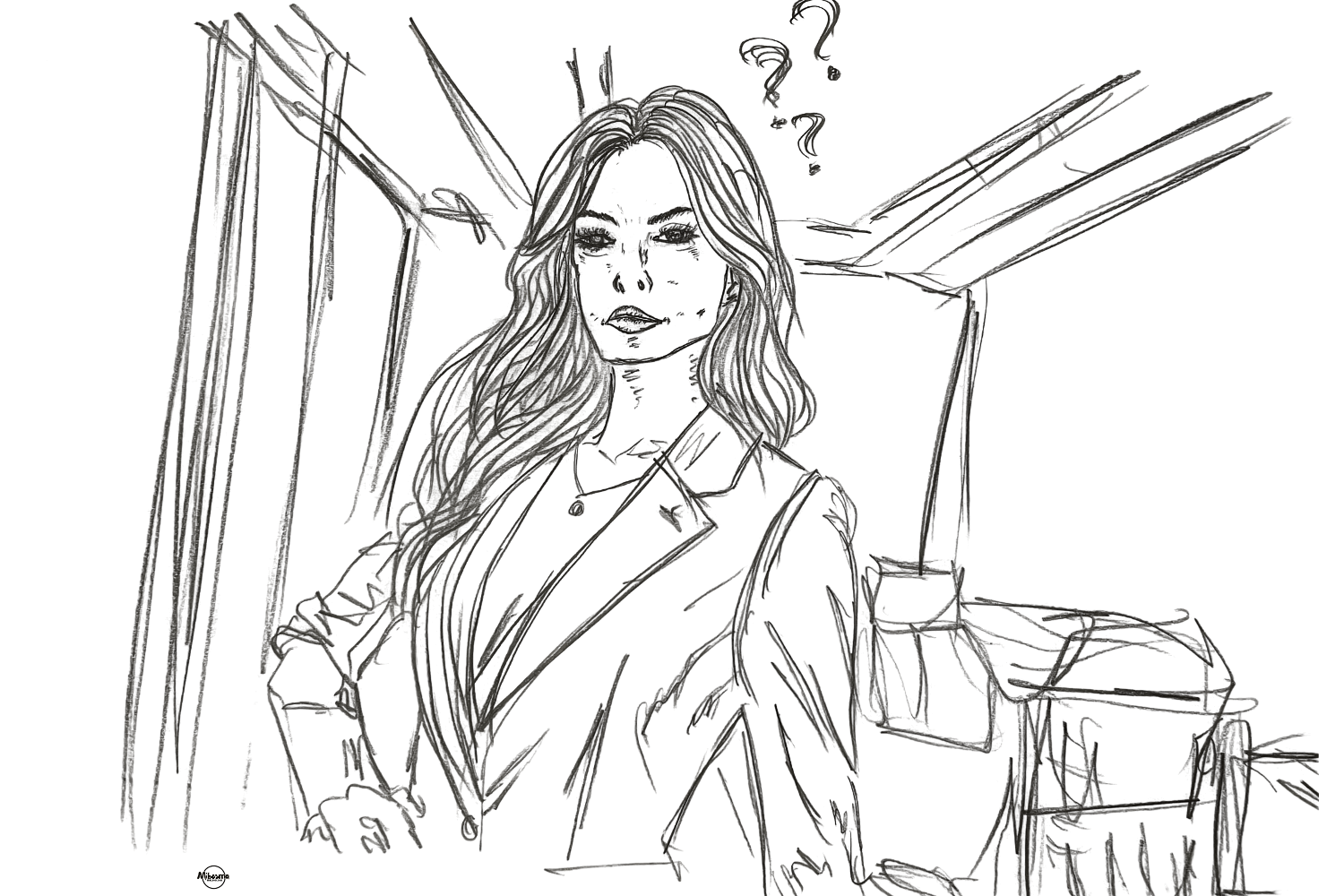
Nervousness does not always need to be hidden or unleashed. Sometimes the healthiest path is learning how to express it without harming ourselves or the people around us.
What Should We Do With the Nervousness We Carry Inside?
“Should we keep our nervousness inside, or should we find a way to let it out?”
There are moments when nervousness feels too visible to hide. Our hands become restless. Our thoughts move faster than usual. Our voice changes slightly, even when we try to sound calm. At other times, the nervousness remains completely invisible. We continue working, speaking, smiling, and answering questions as though nothing is happening. Yet beneath that ordinary appearance, something inside us feels tense, crowded, and unable to settle.
Most of us have received contradictory advice about what to do with these emotions. Some people tell us to control ourselves, remain calm, and avoid showing too much. Others encourage us to express everything we feel so that nothing becomes trapped inside. Both ideas appear reasonable, yet neither one fully explains where the healthy limit lies. Keeping every emotion inside can become exhausting. Releasing every emotion immediately can hurt people who may have done nothing wrong.
This leaves us with a difficult question. Should nervousness be contained, expressed, transformed, or released somewhere else? Is it possible to show that we are tense without becoming rude, aggressive, or emotionally overwhelming? Can we give nervousness a voice without allowing it to speak in a way that damages our relationships? And how long can we continue holding tension inside before it begins affecting our body, our thoughts, and the way we treat the people around us?
Nervousness is not always caused by one dramatic event. Sometimes it appears before an important conversation, a decision, a meeting, or an unfamiliar experience. Sometimes it comes from several small pressures accumulating quietly throughout the day. A difficult morning, an unfinished responsibility, a disagreement, a fear we have not spoken about, or simply the feeling that too many things require our attention at once. Each pressure may appear manageable on its own, but together they create an inner tension that becomes increasingly difficult to carry.
When that tension has nowhere to go, it often finds its own form of expression. We may speak more sharply than we intended. We may become impatient with people who are not responsible for what we feel. We may withdraw, avoid conversation, or respond with silence because we are afraid that speaking will make everything worse. Sometimes we control the nervousness so carefully that no one notices it at all, while internally we feel as though we are slowly being consumed by it.
Perhaps the real problem is not nervousness itself. Nervousness is a natural human reaction. It can alert us that something matters, that we feel uncertain, or that our body is preparing to face a challenge. The difficulty begins when we do not know how to listen to that reaction. We either silence it completely or allow it to escape without direction. In both cases, the emotion begins controlling us in a different way.
Healthy emotional expression may exist somewhere between those two extremes. It does not require us to pretend that we feel fine when we do not. It also does not give us permission to place the full weight of our inner tension onto someone else. It allows us to recognize what is happening, communicate it with honesty, and choose a form of release that does not create a new wound while trying to heal the first one.
Perhaps the question is not simply whether nervousness should remain inside or come outside. Perhaps the deeper question is whether we can learn to guide it. Can we allow it to move through us without letting it explode? Can we acknowledge it without becoming ashamed of it? Can we express it clearly enough that others understand us, yet gently enough that they do not feel attacked?
Learning what to do with nervousness is not only about feeling calmer. It is about protecting our inner well-being without damaging the relationships around us. It is about recognizing that emotions need space, but they also need responsibility. Nervousness may deserve to be heard, but it does not always deserve to make our decisions for us.
Why Nervousness Is Not the Enemy We Think It Is
Nervousness is often treated as a weakness that should be hidden as quickly as possible. We admire people who appear calm under pressure, speak confidently in difficult situations, and seem unaffected by uncertainty. When we cannot behave in the same way, we may begin judging ourselves. We wonder why our body reacts so strongly, why our thoughts become difficult to organize, or why something that appears simple to another person feels so emotionally demanding to us.
Yet nervousness is not evidence that we are incapable. In many situations, it is simply evidence that something matters to us. We feel nervous before an important conversation because we care about the outcome. We feel nervous when sharing an idea because we want it to be understood. We feel nervous when entering an unfamiliar environment because our mind does not yet know what to expect. The emotion is not necessarily warning us that we should escape. Sometimes it is only telling us that we are stepping into something meaningful, uncertain, or new.
The body often reacts before the mind has fully understood what is happening. Our heartbeat becomes faster. Our breathing becomes shallower. Our muscles tighten. Our attention begins scanning the environment for possible problems. These reactions can feel uncomfortable, but they are part of the body’s attempt to prepare us. Nervousness creates energy because the nervous system believes that we may need to respond quickly, protect ourselves, or perform well.
In that sense, nervousness is not trying to destroy us. It is trying to help us survive a situation that our body has interpreted as important. The difficulty is that the body does not always distinguish clearly between real danger and emotional uncertainty. A difficult conversation may activate some of the same physical reactions as a threatening situation, even when we are objectively safe. The nervous system responds first and asks questions later.
This is why telling ourselves to simply stop feeling nervous rarely works. The emotion is not a switch that can be turned off through criticism or shame. In fact, becoming angry with ourselves for feeling nervous often adds another layer of tension. We are no longer dealing only with the original situation. We are also dealing with the belief that we should not be reacting the way we are.
A gentler response begins with understanding that nervousness is information. It may be telling us that we need preparation, reassurance, rest, clearer boundaries, or more time to process what is happening. It may reveal that we care deeply about being accepted, understood, or capable. It may also show us that we have been carrying too much pressure for too long and that even a small challenge now feels heavier than it normally would.
Listening to nervousness does not mean obeying every fear it creates. It means becoming curious about what the emotion is trying to communicate. Instead of asking, “How can I get rid of this feeling immediately?” we might ask, “What is this nervousness trying to protect, prepare, or warn me about?” The answer may not always be clear, but the question changes the relationship we have with the emotion.
When nervousness is treated as an enemy, we usually fight it, hide it, or feel ashamed of it. When it is treated as a signal, we become more capable of responding with awareness. We may still feel the tension, but we are less likely to believe that the feeling defines our strength, our competence, or our value.
Perhaps nervousness is not the opposite of courage. Sometimes nervousness is what courage feels like just before we choose to move forward. The body may still tremble. The thoughts may still feel uncertain. Yet we can remain present, listen carefully, and decide what to do next without allowing the emotion to decide everything for us.
What Happens When We Keep Everything Inside
Many of us grow up believing that emotional strength means remaining silent. We learn to smile even when we feel overwhelmed, to answer, “I’m fine,” even when our body feels exhausted, and to convince ourselves that if we ignore our nervousness long enough, it will eventually disappear. From the outside, this approach can look admirable. We appear composed, responsible, and emotionally controlled. Yet inside, something very different may be happening.
Nervousness rarely disappears simply because we refuse to acknowledge it. Emotions are not like unwanted notifications that vanish when we close the screen. They are experiences created by both the mind and the body. When they are repeatedly ignored, they often remain active beneath our awareness, quietly consuming energy that we did not realize we were using.
At first, the effects may seem small. We become a little more impatient than usual. We lose concentration more easily. Small inconveniences begin feeling surprisingly frustrating. We find ourselves replaying conversations, worrying about situations that have not happened yet, or struggling to relax even when there is finally time to rest. Nothing appears dramatic, yet the nervous system remains in a state of constant readiness, as though it is waiting for another problem to arrive.
Over time, the body may begin speaking the language that the mind has refused to speak. Some people notice headaches that seem to appear without explanation. Others experience muscle tension, restless sleep, difficulty concentrating, or an unusual sense of exhaustion despite getting enough rest. The body is not trying to punish us. It is simply carrying a weight that has not yet found another place to go.
Emotionally, the effects can become even more confusing. We may begin reacting strongly to situations that would not normally affect us. A simple question feels like criticism. A minor inconvenience feels overwhelming. Someone else’s harmless comment suddenly becomes difficult to tolerate. It is not necessarily that the situation has become larger. Often, our emotional capacity has simply become smaller because it has been occupied by nervousness that has remained unresolved for too long.
This is one reason people sometimes surprise themselves by reacting intensely to something insignificant. They may wonder, “Why did I become so upset over something so small?” In reality, the small event was rarely the true cause. It simply became the moment when weeks or even months of accumulated tension finally found an opening.
Keeping everything inside can also affect our relationships in quiet ways. We may become emotionally unavailable without intending to. Conversations feel like another responsibility rather than a source of comfort. We withdraw because interacting with others requires energy we no longer feel we have. Those around us may notice the distance without understanding where it comes from, while we struggle to explain something we barely understand ourselves.
The difficulty is that silence can easily be mistaken for emotional regulation. They are not the same thing. Emotional regulation means recognizing what we feel and responding thoughtfully. Emotional suppression often means pretending the feeling is not there at all. One creates understanding. The other simply delays the moment when the emotion demands attention again.
There is another hidden cost to carrying nervousness alone. When we never allow ourselves to acknowledge our emotions, we also lose the opportunity to understand them. We become skilled at hiding discomfort but less skilled at recognizing what our inner experience is trying to tell us. Gradually, we may stop asking ourselves simple but important questions: Why am I feeling this way? What has been weighing on me? What do I need right now?
This does not mean that every emotion must be expressed immediately or publicly. Some emotions need time before they can be understood. Others are better processed privately through reflection, writing, movement, or quiet conversation. The goal is not constant expression. The goal is preventing emotions from becoming permanent residents inside us simply because we never gave them a healthy place to go.
Perhaps emotional strength is not measured by how much nervousness we can carry without anyone noticing. Perhaps it is measured by how honestly we can recognize that we are carrying it before it quietly begins shaping every part of our lives.
What Happens When We Let Nervousness Out Without Thinking
If keeping every emotion inside can slowly exhaust us, expressing every emotion without reflection can create a different kind of suffering. Nervousness naturally seeks release. The difficulty is that when we do not choose how it leaves us, it often chooses for itself. And the form it chooses is not always the one we would have wanted.
Many emotional reactions happen so quickly that we hardly notice the moment of choice. We speak more sharply than we intended. We interrupt someone who was only trying to help. We answer with sarcasm instead of honesty. We become impatient with the people closest to us, not because they caused our nervousness, but because they happened to be nearby when the pressure became too heavy to contain.
For a brief moment, releasing that tension may even feel relieving. The body relaxes slightly after raising its voice or expressing frustration. We may think, “At least I got it out.” Yet relief is not always the same as resolution. What leaves us may simply arrive inside someone else.
This is one of the quiet ways emotional pain travels from one person to another. A difficult day at work becomes impatience at home. Someone else’s criticism becomes irritation toward a friend. Anxiety about tomorrow becomes anger during a conversation that had nothing to do with the original source of the emotion. The nervousness has certainly been expressed—but not necessarily in the place where it truly belonged.
Sometimes the expression is not loud at all. Instead of shouting, we become cold. Instead of speaking honestly, we withdraw. We answer with one-word replies, avoid eye contact, or silently expect others to notice that something is wrong without ever telling them what we are experiencing. Although quieter, these reactions can still create confusion and distance in our relationships.
The people around us often respond to what they can see, not to what we have silently lived through. They hear the sharp tone but not the stressful meeting that happened earlier. They notice the impatience but not the hours of worry that came before it. As a result, misunderstandings grow. They believe we are reacting to them, while we know we are reacting to something much larger that has remained invisible.
This is why emotional expression alone is not always healthy. The important question is not simply whether the emotion comes out. The important question is how it comes out. Does it create understanding, or does it create another wound? Does it invite conversation, or does it leave someone else carrying pain they did not create?
Healthy expression is not the absence of strong emotion. It is the presence of awareness while the emotion is being expressed. It allows us to say, “I’m feeling overwhelmed today,” instead of making someone else responsible for that feeling. It creates space for honesty without turning another person into the container for everything we have been carrying.
Perhaps this is why emotional maturity is less about expressing more and more about expressing more consciously. Nervousness deserves to be acknowledged. It deserves compassion. But it also deserves direction. Without direction, even an understandable emotion can unintentionally damage the very relationships that could have helped us carry it more gently.
The Difference Between Expressing Nervousness and Passing It to Someone Else
There is an important difference that often goes unnoticed. Expressing an emotion is not the same as transferring it. From the outside, both may look similar because in both situations the emotion becomes visible. Yet internally, they come from two very different places. One creates understanding. The other quietly creates emotional distance.
Imagine two people who have both had an overwhelming day. The first person says, “I’m feeling very nervous today. If I seem quieter than usual, it isn’t because of you. I simply need a little time to settle.” The second person says, “You’re making me nervous. Can’t you stop bothering me?” Both people are experiencing the same emotion. The difference lies in where the responsibility has been placed.
The first response shares an inner experience. It invites the other person to understand what is happening without asking them to carry it. The second response pushes the emotional weight outward. Instead of saying, “This is what I’m feeling,” it quietly becomes, “This is now your problem.”
This distinction may seem subtle, yet it changes the entire direction of a conversation. Healthy emotional expression allows another person to witness what we are experiencing. Emotional transfer unintentionally asks them to absorb what we have not yet processed ourselves. One builds connection through honesty. The other often creates confusion, guilt, or defensiveness.
Many of us do not realize when this transfer is happening because it rarely feels intentional. When the nervous system is under pressure, it naturally searches for relief. Sometimes that relief appears through blame. Sometimes through criticism. Sometimes through impatience. Sometimes through expecting another person to immediately remove whatever discomfort we are feeling. The emotion is real, but the direction it takes may not be helpful.
This is why emotionally healthy communication is not simply about speaking honestly. It is also about speaking responsibly. We can acknowledge our tension without accusing someone of creating it. We can explain that we feel overwhelmed without assuming another person must immediately solve the problem. We can ask for understanding without demanding emotional rescue.
Learning this difference also changes the way we listen to others. When someone tells us they are feeling nervous, we do not always need to fix them. Sometimes the greatest support is simply allowing them to speak without judgment. Emotions often become lighter when they are witnessed with kindness rather than immediately analyzed or corrected.
There is another important distinction. Expressing an emotion usually leaves us feeling clearer afterward. Passing an emotion to someone else often leaves us feeling temporarily relieved but later guilty, misunderstood, or still emotionally unsettled. The tension may have moved, but it has not truly been resolved. It has simply changed direction.
Perhaps healthy emotional expression is less about emptying ourselves as quickly as possible and more about choosing a form of expression that protects both our well-being and the well-being of the people around us. Nervousness deserves a voice, but that voice does not need to become another person’s burden.
Healthy Ways to Let Nervousness Leave the Body
If nervousness is not meant to remain trapped inside us forever, and if releasing it impulsively can sometimes hurt others, then an important question naturally follows. Where should all of that emotional energy go?
The answer is not the same for everyone because people regulate emotions in different ways. What matters most is not choosing the perfect method but choosing one that allows the nervous system to release tension without creating unnecessary harm. Healthy emotional release is not about making the feeling disappear immediately. It is about allowing the body and mind to gradually return to balance.
For some people, movement becomes the healthiest form of expression. A quiet walk, gentle exercise, stretching, or simply changing environments can help the body complete the physical stress response that nervousness has activated. The mind often becomes clearer after the body has had an opportunity to move.
Others discover that writing creates the space they cannot find during conversation. A journal asks for nothing in return. It does not interrupt, judge, or misunderstand. Thoughts that felt chaotic inside the mind often become more organized once they appear on paper. Many people are surprised to discover that what first felt like one overwhelming emotion was actually several different emotions quietly mixed together.
Conversation can also become a healthy form of release when it takes place with someone who listens without immediately trying to solve everything. Sometimes we do not need advice. We simply need the experience of saying aloud what has been living silently inside us. Being understood does not always remove nervousness, but it often makes carrying it feel less lonely.
Creative activities offer another path. Drawing, painting, music, gardening, woodworking, cooking, or any activity that gently captures our attention can help transform emotional energy into something meaningful. The goal is not distraction. It is expression through creation rather than reaction.
There are also moments when the healthiest response is neither speaking nor doing. Quiet breathing, meditation, prayer, or simply sitting without trying to force the emotion away can help the nervous system recognize that the danger has passed. Instead of fighting the feeling, we allow it to rise, exist, and slowly settle on its own.
Even tears deserve a different reputation than they often receive. Crying is not necessarily a sign that someone has lost control. For many people, it is one of the body’s natural ways of releasing emotional intensity. The problem is rarely the tears themselves. The problem is believing that we should feel ashamed whenever they appear.
What all of these approaches have in common is that they create movement rather than imprisonment. Nervousness is not frozen inside us, nor is it thrown carelessly toward someone else. It is allowed to move through a healthier path, one that respects both the emotion and the relationships we wish to protect.
Perhaps emotional health is not about finding one perfect technique that works forever. Perhaps it is about gradually learning which forms of expression leave us feeling calmer, wiser, and more connected—not only to ourselves but also to the people we care about.
How Much Nervousness Should We Hold Inside?
This may be one of the most difficult questions of all because there is no single answer that applies to every situation. Some emotions benefit from waiting. Others become heavier every day they remain unspoken. Learning the difference is one of the quiet skills that emotional maturity asks us to develop over time.
Not every feeling needs immediate expression. Imagine becoming frustrated during a conversation after a long and exhausting day. Speaking in that exact moment may simply give the emotion control over the conversation. Waiting a few minutes, taking a walk, or allowing the nervous system to settle may completely change the words we choose. The emotion remains the same, but our ability to communicate it becomes much wiser.
At the same time, waiting forever is rarely healthy. Some people become so accustomed to carrying their nervousness silently that they begin believing this is simply part of who they are. Weeks become months. Months become years. They adapt to constant tension without realizing how much energy it quietly consumes. The emotion no longer feels temporary. It begins feeling like a permanent part of their personality.
This is where many people become confused. They assume that because they have successfully hidden their nervousness, they have successfully managed it. Yet the absence of expression is not always evidence of inner peace. Sometimes it simply means the emotion has learned to hide deeper.
A helpful question is not, “Should I express this immediately?” but rather, “If I continue carrying this exactly as it is, what will it become?” Some emotions soften naturally with time. Others quietly grow stronger because silence gives them more space to shape our thinking.
Healthy emotional regulation often lives between two extremes. One extreme expresses every feeling the moment it appears, regardless of the consequences. The other suppresses every feeling in the hope that it will eventually disappear. Neither extreme creates lasting peace because both are driven more by reaction than by awareness.
Perhaps wisdom lies in allowing ourselves enough time to understand what we feel—but not so much time that the feeling quietly begins controlling us. The goal is neither emotional impulsiveness nor emotional imprisonment. It is learning when an emotion needs reflection, when it needs conversation, and when it simply needs a little space to pass naturally.
Nervousness is much like holding something heavy in our hands. Carrying it for a few moments may be necessary. Carrying it all day becomes exhausting. Carrying it for years slowly changes the way we stand, the way we move, and eventually the way we experience the world. The weight itself may not have changed. We simply forgot that it was never meant to be carried forever.
Perhaps the healthiest limit is reached the moment nervousness begins deciding how we live instead of simply informing us about how we feel. That is often the quiet signal that the emotion is asking not to be ignored, nor unleashed, but understood.
What Psychology Says About Healthy Emotional Regulation
Psychology has spent decades studying how people experience, express, and regulate emotions. One of the clearest findings is that emotions themselves are not the problem. Nervousness, fear, sadness, frustration, and even anger are all natural human experiences. Difficulties usually arise not because these emotions exist, but because of the ways we respond to them.
One concept that psychologists often discuss is emotional regulation. Emotional regulation does not mean eliminating emotions or pretending they are not there. Instead, it refers to our ability to notice what we are feeling, understand where the emotion may be coming from, and choose a response that reflects our values rather than our first impulse. In other words, emotional regulation is less about controlling emotions and more about managing our relationship with them.
This idea is important because many people confuse emotional regulation with emotional suppression. Although they may appear similar from the outside, they are very different processes. Emotional suppression involves pushing emotions away, hiding them, or pretending they do not exist. Emotional regulation acknowledges the emotion first. Rather than denying nervousness, it allows us to recognize it without allowing it to dictate everything we do next.
Research suggests that suppressing emotions for long periods can increase psychological stress and make emotional experiences feel even more intense over time. The emotion may temporarily disappear from our behavior, but it often remains active inside our nervous system. This is one reason why people sometimes feel emotionally exhausted even when they have been trying very hard to stay strong and composed.
Another important concept is known as cognitive reappraisal. This refers to our ability to reinterpret a situation before reacting automatically. Imagine preparing to speak in front of a group of people. One interpretation might be, “If I feel nervous, it means I am going to fail.” Another interpretation might be, “I feel nervous because this moment matters to me, and my body is preparing me to perform.” The physical sensation may be almost identical in both situations, yet the meaning attached to it creates a very different emotional experience.
Psychologists have also found that expressing emotions is generally healthier when it happens with awareness rather than impulsiveness. Healthy emotional expression allows us to communicate honestly while remaining respectful of ourselves and others. Instead of reacting immediately, we learn to pause long enough to ask what our emotion truly needs. Sometimes it needs conversation. Sometimes it needs rest. Sometimes it needs movement, reflection, or simply a little time.
None of this means that emotionally healthy people never feel overwhelmed. They do. The difference is that they gradually become more familiar with their own emotional patterns. They begin recognizing the early signs of nervousness before those emotions become so intense that they take control of their behavior. Awareness arrives a little sooner, making wiser choices possible.
According to the American Psychological Association (APA), developing emotional awareness, flexible thinking, and healthy emotion regulation can improve psychological well-being, strengthen relationships, and help people respond more effectively to life’s challenges. The goal is not to remove difficult emotions from our lives. The goal is to recognize them early enough that they inform our choices instead of silently making those choices for us.
Source: American Psychological Association — Emotions
Journaling: Am I Carrying My Nervousness… or Is It Carrying Me?
When we feel nervous, our attention usually focuses on what is happening around us. We think about the difficult conversation, the upcoming responsibility, the uncertainty, or the person who made us uncomfortable. Yet we rarely stop to observe something equally important: the relationship we have with our own nervousness. Journaling cannot remove every source of stress from our lives, but it can help us understand how we carry those emotions and how they quietly influence the way we think, speak, and relate to others.
There are no perfect answers and no pressure to reach a conclusion today. The purpose is simply to become curious about your inner experience. Sometimes understanding the emotion is the first step toward allowing it to move through you in a healthier way.
- When I feel nervous, what is usually the very first thing I do?
- Do I tend to keep my nervousness completely inside, or do I quickly express it to others?
- How does my nervousness usually affect the people closest to me?
- What healthy activities help me release nervousness without hurting myself or anyone else?
- Is there a difference between expressing my feelings and expecting someone else to carry them for me?
- What has my nervousness been trying to tell me lately that I may have been ignoring?
- The next time I feel overwhelmed, what small pause could help me choose awareness before reaction?
Learning to live with nervousness does not mean learning to eliminate it forever. It means learning how to welcome it as information without allowing it to become our identity. Every moment of awareness gives us another opportunity to choose understanding instead of suppression, responsibility instead of reaction, and compassion instead of self-judgment. Little by little, we discover that emotional peace is not created by never feeling nervous. It is created by knowing how to respond when nervousness inevitably arrives.
If you would like to explore your emotional patterns more deeply, Mibosma offers several free journaling resources. The Self-Discovery Questions Journal can help you better understand the situations that trigger your nervousness and the thoughts that often accompany it. The Journal Prompts for Emotional Healing offers reflective exercises to help you process emotional tension in healthier ways, while the Monthly Progress Review Template can help you notice how your relationship with nervousness gradually changes over time. Sometimes the most important question is no longer, “How do I stop feeling nervous?” but rather, “What is my nervousness trying to teach me about the way I relate to myself?”
Frequently Asked Questions About Nervousness and Emotional Expression
Is it healthy to express nervousness?
Yes. Expressing nervousness in a respectful and thoughtful way can prevent emotional tension from building up over time. Healthy expression allows you to communicate what you are feeling without placing the responsibility for those feelings onto someone else.
Should I keep my nervousness to myself?
Not always. Some emotions benefit from private reflection before they are shared, but keeping every feeling inside for long periods can increase emotional stress. The healthiest approach often lies between immediate reaction and complete suppression.
What is the difference between expressing and suppressing emotions?
Expressing emotions means acknowledging and communicating them in a healthy way. Suppressing emotions means pushing them aside or pretending they do not exist. While suppression may seem helpful in the short term, it can become emotionally exhausting over time.
Why do I become irritable when I feel nervous?
Nervousness places the body and mind under stress. When emotional tension continues without healthy release, patience often becomes smaller, making even ordinary situations feel more overwhelming than they normally would.
Can nervousness affect my relationships?
Yes. Nervousness itself is not harmful, but the way it is managed can influence communication, patience, and emotional closeness. Learning to express emotions with awareness often strengthens relationships rather than damaging them.
How can I calm my nervous system naturally?
Many people benefit from walking, breathing exercises, journaling, physical activity, meditation, creative hobbies, or talking with someone they trust. Different approaches work for different people, but the common goal is helping the body gradually return to a calmer state.
What is the most important thing to remember about nervousness?
Nervousness is not a personal failure. It is a natural human response that often signals uncertainty, responsibility, or change. The emotion itself is not what defines us. What shapes our well-being is the way we choose to respond once the emotion appears.
Final Reflection
Perhaps nervousness has been misunderstood for a long time. We often believe that we must either hide it completely or release it the moment it appears. Yet neither extreme truly teaches us how to live with our emotions. One leaves us carrying a weight that slowly becomes heavier. The other risks placing that weight onto people who were never meant to carry it.
Maybe emotional strength looks quieter than we imagine. It is not the absence of nervousness, nor the ability to appear perfectly calm at every moment. It is the willingness to notice what is happening inside us before the emotion begins speaking on our behalf. It is the courage to admit, “I’m feeling overwhelmed,” without allowing that feeling to become the way we treat the people around us.
Every emotion asks something of us. Nervousness asks us to slow down, to pay attention, and to become curious about what our mind and body may be trying to communicate. Sometimes it reminds us that something matters deeply. Sometimes it tells us that we have been carrying too much for too long. Sometimes it simply asks for rest, honesty, or a healthier way to release the tension we have quietly accumulated.
Perhaps the goal is not to stop feeling nervous. Perhaps the goal is to stop believing that nervousness must either remain imprisoned inside us or escape without direction. There is another path. A path where emotions are welcomed, understood, expressed with care, and allowed to move without leaving unnecessary wounds behind.
Because emotional peace is not created by never feeling nervous. It is created by learning that every emotion deserves awareness, every relationship deserves kindness, and every difficult feeling deserves a place to be heard before it has to shout.