Why Returning to Your Natural Rhythm Brings Real Freedom
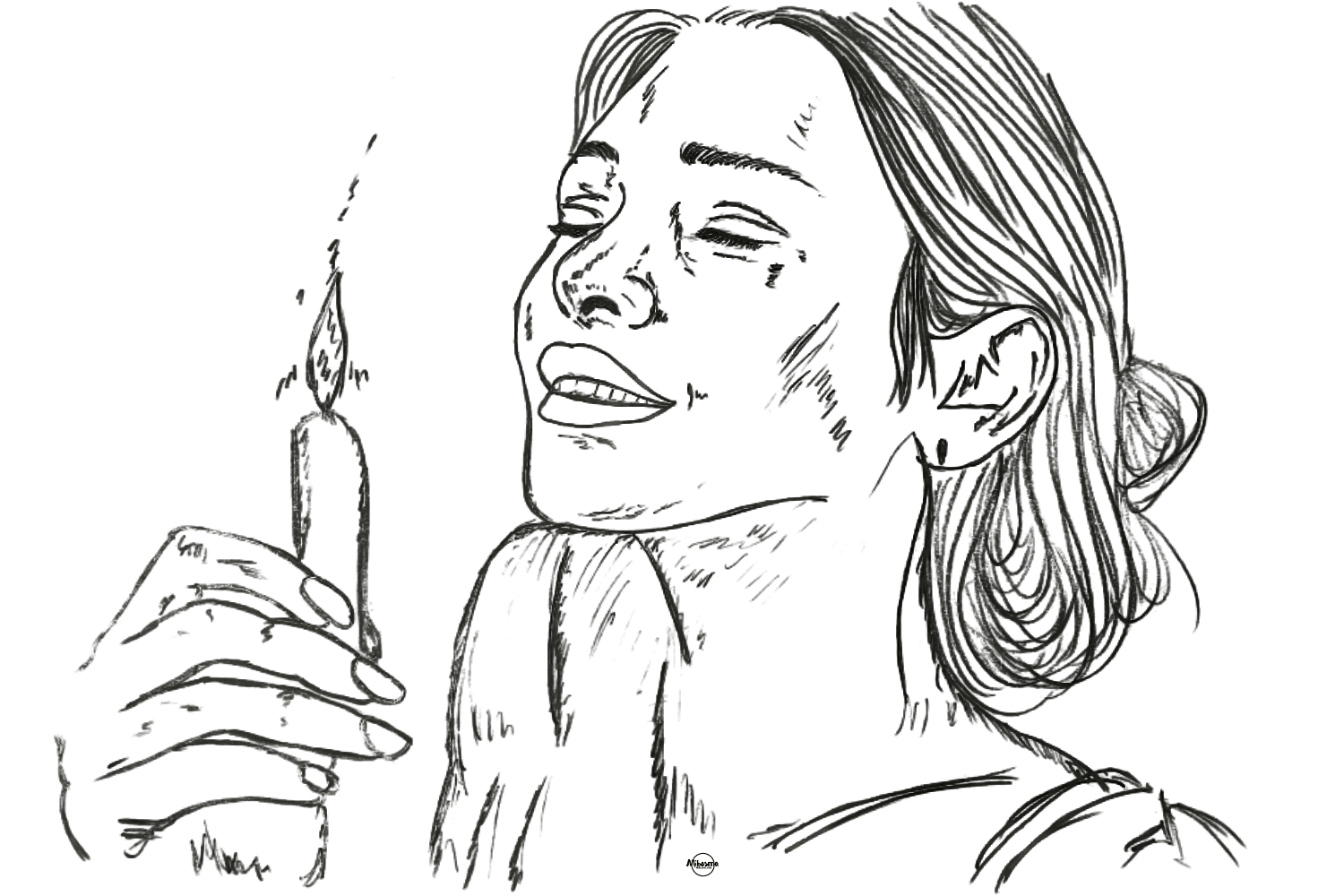
There is a rhythm in you that doesn’t need to be controlled… only felt.
Why Returning to Your Natural Rhythm Brings Real Freedom
This morning, a mother came to me and said something very simple, but very heavy at the same time. She told me she didn’t feel well, not physically, but from the inside. She said she had the feeling that something was missing, even though everything in her life seemed to be in place. What she wanted wasn’t more success, more control, or more progress. She just wanted to find a rhythm that would finally allow her to feel at ease again.
As she started to speak, her story unfolded slowly. She told me that for a long time, she believed freedom came from control—from being organized, disciplined, and always moving forward without losing momentum. She thought that if she could manage everything perfectly—her time, her thoughts, her energy—she would eventually feel at peace. And over time, this need for control didn’t stay limited to her own life. It extended to her husband, to her children, to the whole family. Everything had to follow a certain rhythm, a certain standard, almost as if perfection was the only acceptable outcome.
At first, it seemed to work. Things were in order, responsibilities were handled, and from the outside, everything looked stable, even admirable. But little by little, something began to shift inside her. The more she tried to control the rhythm of everything around her, the more she felt disconnected from herself. It was as if she was living a life that functioned well on the surface, but felt distant and empty on the inside.
Nothing was truly wrong. She was doing what she was supposed to do. She was present, productive, committed. And yet, there was this quiet feeling that something wasn’t aligned. Not stress in the usual sense, not a visible problem, but a subtle gap between what she was doing and what she was actually feeling. The more she tried to do things perfectly, the more that gap grew.
Over time, she realized she was no longer choosing her own pace. She was following a fixed pattern, an automatic rhythm shaped by expectations—her own, and those she felt from her family and environment. Even her children and her husband began to feel that pressure. The house looked successful from the outside, but inside, something had changed. The connection was no longer natural. It felt forced, controlled, almost mechanical.
She told me that at some point, she no longer felt anything the way she used to. The satisfaction she once felt slowly disappeared, even though she was doing more, trying harder, pushing further. It was as if the more effort she added, the less she felt in return. What once brought a sense of accomplishment became something empty, something automatic.
And then she looked at me and asked a question that stayed in the air for a few seconds: how do I return to my natural rhythm… and how do I find real freedom again?
The Disconnection She Couldn’t Explain
What she was describing wasn’t something unusual, even if it felt confusing to her. It was a kind of disconnection that doesn’t appear suddenly, and doesn’t come with a clear reason. Everything can look stable from the outside, everything can seem under control, and yet something inside begins to feel distant, as if you are no longer fully present in your own life.
Maybe you’ve felt this too, in a quieter way. You continue your days, you do what needs to be done, you show up where you’re expected to be, but there is a subtle feeling that something is missing. Not in a dramatic or urgent way, just enough to make everything feel slightly out of place, slightly disconnected from who you are underneath all of it.
It’s not a lack of effort. It’s not a lack of discipline. In many cases, it comes from doing everything “right” for too long, without ever stepping back to ask if the rhythm you’re following actually belongs to you. And over time, that small distance grows—not enough to stop your life, but enough to make it feel less alive.
How She Slowly Lost Her Natural Rhythm
What happened to her didn’t come from a single moment or a clear mistake. It happened gradually, through small decisions that made sense at the time. Wanting things to be done well, wanting to create stability for her family, wanting to make sure everything was in place—these intentions were not wrong. In fact, they came from care, from responsibility, from a genuine desire to do what felt right.
But little by little, something shifted. What started as attention turned into control. What began as care slowly became pressure. Without realizing it, she stopped listening to her own pace and started following a rhythm shaped by expectations—her own expectations, but also the ones she felt from the outside.
There was less space for pauses, less space for imperfection, less space for simply being. Everything had to move in a certain way, at a certain speed, with a certain level of consistency. And over time, that rhythm stopped feeling natural. It became something she was maintaining, something she was managing, rather than something she was living.
And the more she tried to hold everything together, the further she moved away from what she could feel inside. Not because she did something wrong, but because she slowly adapted to a pace that was never truly hers.
Why Trying to Control Everything Becomes Exhausting
At some point, maintaining that rhythm stopped feeling like support and started feeling like weight. Not a visible kind of weight, but something constant, something that stayed even in moments that were supposed to feel light. Because when everything depends on your ability to hold it together, your system never really gets a chance to rest.
Control, in the beginning, can feel reassuring. It gives the impression that things are stable, that nothing will fall apart, that everything is handled. But over time, that same control creates a quiet tension that doesn’t leave. There is always something to anticipate, something to manage, something to adjust. And even when nothing urgent is happening, your mind remains slightly active, as if it is waiting for the next thing that might need your attention.
This is how exhaustion builds without being obvious. Over time, this constant internal activation becomes a pattern your system holds onto, something that has been widely observed and explained, including in this Cleveland Clinic article on how stress affects the body, not from doing too much all at once, but from never stepping out of that internal state. You continue, you function, you move forward, but something inside you doesn’t settle. And eventually, it’s not just your energy that feels affected—it’s your connection to what you’re doing, to the people around you, and even to yourself.
And that’s the part that is hardest to notice. Because from the outside, everything can still look fine. But inside, the rhythm no longer feels alive. It feels maintained, controlled… and slowly, it becomes something you carry instead of something that carries you.
What Returning to a Natural Rhythm Actually Feels Like
When she began to question the pace she had been holding for so long, she expected that slowing down would feel like losing control. But what she discovered was something very different. It didn’t feel like falling behind. It didn’t feel like breaking everything she had built. It felt unfamiliar at first, but not wrong. More like stepping into a space that had always been there, but that she had stopped noticing.
A natural rhythm doesn’t look perfect from the outside. It isn’t constant, and it doesn’t follow a fixed pattern. Some days feel slower, some days feel more active, and neither of them needs to be forced or corrected. There is less pressure to maintain an image, less urgency to keep everything aligned at all times. Things begin to move in a way that feels more connected to how you actually feel, not just to what you think you should be doing.
And slowly, something changes. Not in a dramatic way, not all at once, but enough to be felt. There is more space between actions, more ease in small moments, more presence in things that used to feel automatic. It’s not about doing less or doing more. It’s about no longer pushing against yourself to keep a rhythm that was never yours to begin with.
What she started to feel wasn’t a loss of structure, but a return to something quieter and more stable. A rhythm that didn’t need to be controlled to exist. A rhythm that could hold her, instead of something she had to constantly hold together.
Returning to Her Rhythm, Gently
She didn’t change everything at once. In fact, nothing dramatic happened. There was no complete reset, no perfect plan, no sudden transformation. What changed was much smaller, almost invisible from the outside. She began to notice her own pace again, in moments that didn’t require anything from her.
Instead of trying to control every part of her day, she started allowing small pauses to exist without filling them immediately. Not as a technique, not as something to “optimize,” but simply as a way to step out of the constant movement she had been holding for so long. At first, it felt uncomfortable, almost unfamiliar. But she stayed with it, without forcing it to become something perfect.
She also began to question the urgency behind certain actions. Not everything needed to be done immediately. Not everything needed to be improved. And not every moment needed to be productive to have value. This didn’t slow her life down in a negative way—it gave her a different relationship with it.
Little by little, the pressure softened. The rhythm of her days didn’t disappear, but it became more flexible, more responsive to how she actually felt. There was still structure, still responsibility, but no longer the constant need to hold everything tightly together.
And that’s how she started to come back. Not by forcing herself to change, but by allowing herself to feel where she was, and letting her rhythm adjust from there.
Journaling — A Way to Hear Yourself Again
Journaling is not about writing perfectly or finding immediate answers. It’s about creating a space where your mind no longer needs to stay in control, where thoughts can exist without being organized or corrected before they are allowed to come out.
You can begin with simple, honest questions: when do I feel the most disconnected from myself? What am I trying to control without realizing it? What happens inside me when I slow down, even a little?
If it feels difficult to start, or if your thoughts feel scattered, you can use these Self-Discovery Journal Prompts as a gentle guide. Not to give you answers, but to help you stay with what you’re feeling long enough to hear it.
There is no need to write well, and no need to understand everything immediately. Just write as your thoughts move, without forcing clarity. In that space, something quiet begins to return—not because you pushed for it, but because you finally allowed it to exist.
Real Questions From Real People
These questions come from real experiences—moments where people felt disconnected from themselves and started questioning their natural rhythm.
“Why is that natural rhythm lost so easily due to different factors?”
Your natural rhythm doesn’t disappear suddenly—it gets replaced. Daily pressure, expectations, constant stimulation, and comparison slowly teach your system to follow an external pace instead of your own. Over time, that new rhythm feels “normal,” even if it doesn’t feel right.
Simple way to begin: Notice one moment in your day where you feel rushed. Don’t change it—just observe it. Awareness is the first step to returning.
“Are people born with a natural rhythm?”
Yes. Everyone has a natural way of moving, thinking, and resting. You can see it clearly in children—they don’t force their pace. But as we grow, that rhythm gets shaped by structure, expectations, and performance.
Simple way to begin: Ask yourself: when do I feel most like myself during the day? That moment often reflects your natural rhythm.
“How can I, as a working woman, respect my natural rhythm?”
You don’t need to change your whole life. Respecting your rhythm doesn’t mean doing less—it means adjusting how you move inside what you already do. It’s about creating small spaces where you’re not forcing yourself.
Simple way to begin: Choose one task per day and do it at your natural pace, without rushing or over-controlling it.
“Does exaggerating structure improve understanding of ourselves, or does it disconnect us?”
Structure can support you—but too much of it can disconnect you. When everything is controlled, there’s no space left to feel. Understanding yourself doesn’t come from perfect systems—it comes from noticing what you feel within them.
Simple way to begin: Leave one part of your day unstructured, even if it’s just a few minutes.
“Why is syncing with natural rhythms important?”
Because your body and mind are not designed to function at a constant speed. When you move against your rhythm, everything feels heavier. When you move with it, things become more sustainable.
Simple way to begin: Pay attention to when you feel more focused and when you feel slower—don’t fight those moments.
“How can you tune into your body’s natural rhythm?”
Not by forcing it—but by listening. Your body already sends signals: fatigue, clarity, tension, calm. The problem is not the lack of signals, but the lack of attention to them.
Simple way to begin: Pause once a day and ask: what do I need right now—movement or rest?
“Why do some people have natural rhythm in life while others don’t?”
It’s not about ability—it’s about environment and habits. Some people never fully lost that connection, while others adapted deeply to external pressure. But it can always be rebuilt.
Simple way to begin: Reduce one source of unnecessary pressure in your day, even slightly.
“How does patience align with natural rhythms?”
Patience allows things to unfold at their own pace. When you rush, you override your rhythm. When you allow time, you return to it. Patience is not waiting—it’s respecting timing.
Simple way to begin: The next time you feel urgency, pause for a few seconds before reacting.
“How do you regulate your body’s natural rhythms and assist with good sleep and digestion?”
Your system depends on consistency, not intensity. When your rhythm is unstable, your body struggles to regulate basic functions like sleep and digestion.
Simple way to begin: Keep one stable habit daily—like sleeping or eating at the same time.
“What is the optimal time to study based on your body’s natural rhythm?”
There is no universal “best time.” It depends on when your mind feels naturally clear. For some, it’s morning; for others, it’s later. Your rhythm tells you—if you listen.
Simple way to begin: Track your focus for a few days and notice when it comes naturally.
“What are some of the benefits I will have found in aligning my life with nature’s rhythms?”
You feel less forced, less exhausted, and more connected. Things don’t become easier because life changes—but because you stop pushing against yourself.
Simple way to begin: Allow yourself one moment per day where you don’t force anything.
“How can understanding your body’s natural rhythms and cortisol levels help in maintaining better heart health?”
Your system follows natural cycles of activation and rest. When you stay constantly active, stress hormones remain elevated, which affects your body over time. Understanding your rhythm helps you return to balance.
Simple way to begin: Create a small transition moment between work and rest to signal your body to slow down.
Final Reflection
You were never meant to move at a constant speed. You were never meant to carry everything, all the time, without space to pause or to feel where you are. Somewhere along the way, it may have started to feel normal to keep going, to stay inside the movement, to hold everything together without stepping out. But that was never the rhythm your system was built for.
There is a quieter rhythm in you, one that doesn’t ask you to rush or to prove anything. It doesn’t disappear—it just becomes harder to hear when everything around you gets louder. And sometimes, returning to it doesn’t require a big change. It begins in small moments, when you allow yourself to slow down without judging it, even slightly.
You don’t need to do everything differently. You don’t need to fix your whole life. You only need to create a little space—enough to notice, enough to feel, enough to remember that your rhythm is still there.
And sometimes, freedom doesn’t come from doing more or moving faster. It comes from stopping… just long enough to come back to yourself.