Why You Should Never Lose Yourself in a Relationship
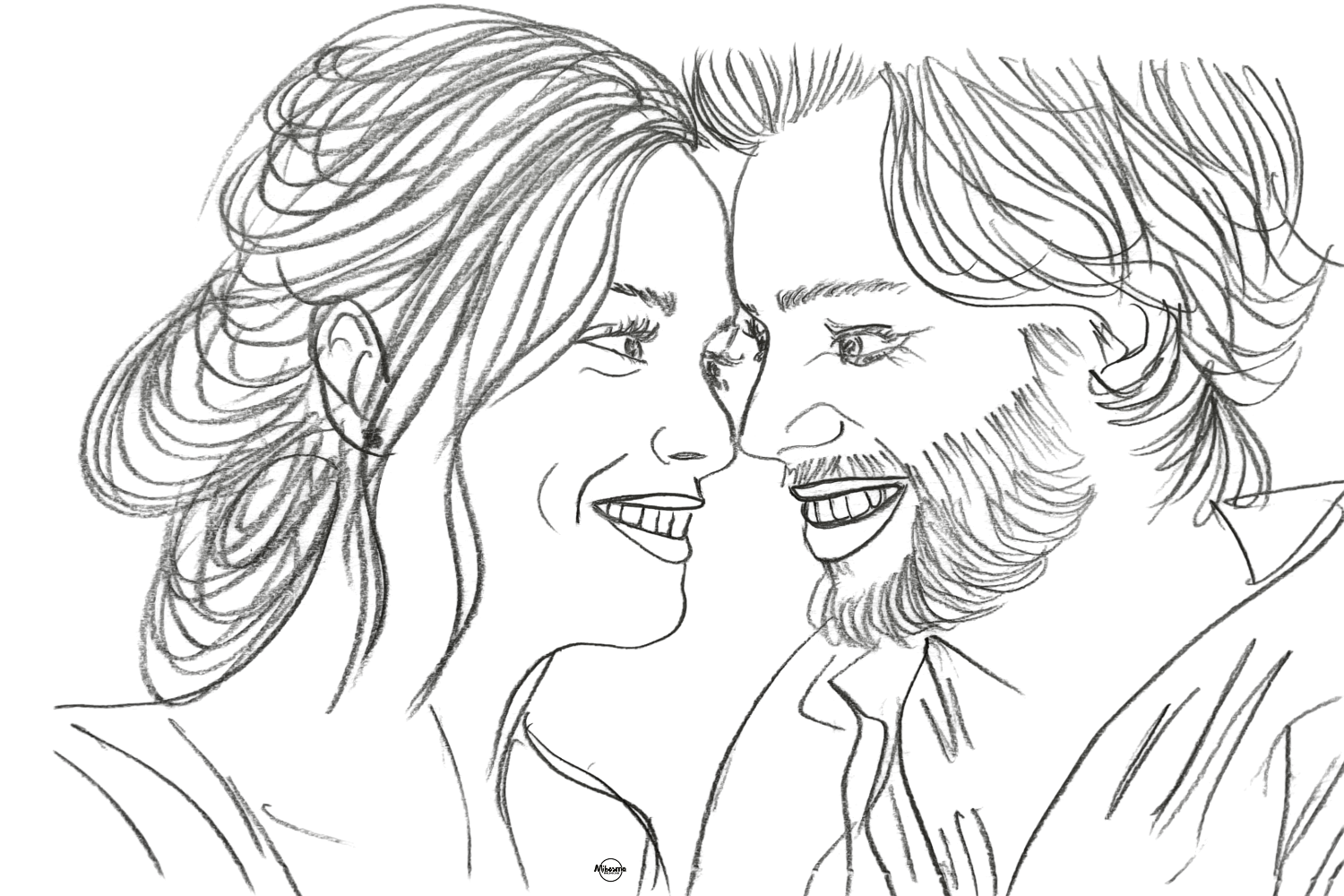
The healthiest relationships don’t ask you to become someone else. They encourage you to become even more fully yourself while growing together.
Why You Should Never Lose Yourself in a Relationship
Love has a remarkable way of changing us. It teaches us patience, generosity, compromise, and the ability to care about another person’s happiness as deeply as our own. These are some of the greatest gifts a relationship can offer. Yet there is a subtle line between growing because of love and disappearing because of it. Sometimes, without even realizing it, we begin giving away small pieces of ourselves until one day we can no longer remember who we were before the relationship began.
A few years ago, someone shared with me the story of a couple that has stayed with me ever since. On the surface, they looked like the kind of couple everyone admired. They laughed together, supported each other, and seemed deeply in love. Yet what made their relationship memorable was not the way it began but the conversation that quietly changed its direction.
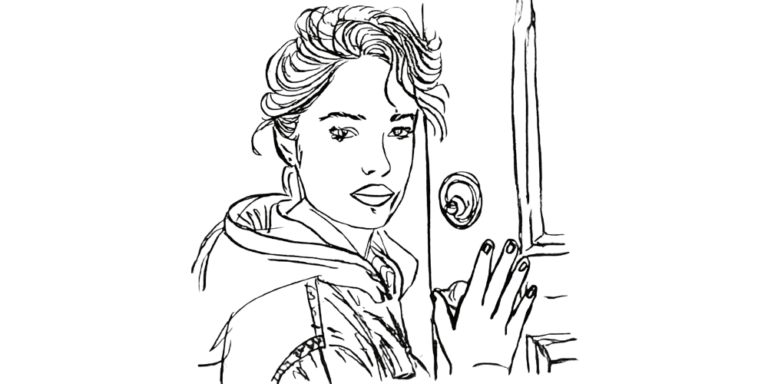
She was a passionate painter whose world had always been filled with colors, canvases, and endless imagination. Before meeting J, entire weekends disappeared inside her art studio. She could spend hours experimenting with light, mixing colors, and creating paintings that reflected the way she saw the world. Then she met him, and everything changed. J was intelligent, charismatic, thoughtful, and incredibly protective. Their connection felt immediate. They quickly became inseparable, and for the first time, she believed she had found the person she wanted to spend her life with.
Like many people deeply in love, she slowly began adjusting her life to fit his. If he preferred action movies, she quietly stopped suggesting the independent films she loved. If he wanted to spend weekends with his friends, she canceled plans she had already made. When his work became demanding, she devoted more of her free time to supporting his projects. None of these decisions felt painful at first. She believed that love meant putting the other person’s happiness before her own, and every compromise felt like another proof of how deeply she cared.
Months turned into years, and the changes became almost invisible. Her paintbrushes remained untouched for weeks at a time. The canvases in her studio slowly gathered dust. Tubes of paint dried out on forgotten shelves. Whenever someone asked why she no longer painted, she smiled and answered, “I just don’t have much time anymore.” Secretly, she believed she was building something more important than paintings. She was building a life with the man she loved.
One evening, J quietly walked into her studio while she was organizing old boxes. He looked around the room, noticing the unfinished canvases leaning against the walls and the thin layer of dust covering the easels.
“You haven’t painted in a long time,” he said gently.
She smiled, though her smile carried a trace of exhaustion.
“Not really,” she admitted. “Between your project, our apartment, and everything else, there just isn’t much time. But it’s okay. I do it because I love us.”
Instead of smiling back, he sat beside her and gently took her hands. His expression became unusually serious.
“I fell in love with you because of your light,” he said softly. “I loved your creativity, your curiosity, and the way you saw beauty where everyone else saw ordinary things. If you give up everything that makes you who you are just to adapt to me, you’re slowly disappearing. I don’t want you to become my reflection. I want you to remain completely yourself.”
His words settled into the silence between them. For the first time, she looked around the studio not as a storage room but as a place she had quietly abandoned. She suddenly realized that in trying so hard to become the perfect partner, she had slowly stopped becoming herself.
The next morning, she bought the largest blank canvas she could find. She opened new tubes of paint, picked up her brushes again, and began creating without guilt. That day she discovered something she would never forget. Loving someone does not require losing yourself. The healthiest relationships are not built by two people who become identical. They are built by two whole people who continue growing together without asking the other to disappear.
Why We Mistake Self-Sacrifice for Love
As I reflected on the painter’s story, I realized how easy it is to misunderstand what love asks of us. Most of us grow up hearing that love requires sacrifice. We are taught to compromise, to think of another person’s needs, and to be willing to put the relationship before our own comfort. These lessons are valuable because healthy relationships cannot exist without generosity. The problem begins when sacrifice slowly turns into self-erasure. Instead of making occasional compromises, we gradually reshape our entire lives around another person until we can no longer recognize ourselves.
This transformation rarely happens overnight. It usually begins with small decisions that appear completely harmless. We postpone a hobby because our partner needs us. We stop seeing certain friends because it feels easier. We change our routines, our interests, and even our dreams, believing we are simply adapting to life together. None of these choices seem significant on their own. Yet months or years later, we may suddenly realize that the person we once were has quietly disappeared beneath countless acts of love that were never meant to require such a price.
The painter never believed she was giving up her identity. Every decision felt voluntary. Every compromise seemed like an expression of affection. She genuinely enjoyed supporting the man she loved, and seeing him happy brought her happiness as well. The danger was not that she loved him too deeply. The danger was that she slowly stopped asking whether she was still caring for herself with the same devotion.
Many people find themselves in similar situations. They stop pursuing passions that once brought them joy. They postpone personal goals because someone else’s dreams always seem more urgent. They become so focused on maintaining harmony that they stop expressing opinions, preferences, or desires that might create disagreement. Over time, they begin defining themselves primarily through the relationship instead of as individuals who happen to share their lives with someone they love.
Ironically, this is often the opposite of what a loving partner truly wants. J never asked the painter to abandon her art. In fact, the very qualities she had been sacrificing were the ones that had first attracted him to her. Her creativity, curiosity, and unique way of seeing the world were not obstacles to the relationship. They were part of the reason the relationship existed in the first place.
Perhaps this reveals one of the greatest misunderstandings about love. Loving someone does not require becoming less yourself. Healthy love expands both people instead of reducing one of them. It creates space for two distinct lives to grow alongside one another, each encouraging the other to continue becoming the person they were meant to be. Real intimacy is not built by disappearing into another person’s identity. It is built by remaining fully yourself while choosing, every day, to walk through life together.
When Love Slowly Erases Your Identity
One of the most painful aspects of losing yourself in a relationship is that it rarely feels dramatic while it is happening. There is no single moment when a person wakes up and decides to abandon their identity. Instead, it happens quietly, almost invisibly. A passion is postponed until next month. A dream is delayed until life becomes less busy. A personal goal is placed on hold because someone else’s needs seem more important. Each decision appears small, yet together they slowly reshape an entire life.
The painter did not stop creating because she no longer loved art. She stopped because there was always something that seemed more urgent. There was another dinner to prepare, another project to help with, another weekend to organize, another responsibility to carry. She kept telling herself that she would return to painting once life became calmer. The problem was that calmer days never arrived. Life simply continued moving forward while her own passions quietly remained behind.
This experience is surprisingly common. Many people can easily list the interests, hobbies, and dreams that once brought them joy but slowly disappeared after entering a relationship. Some stop exercising because their routines revolve entirely around someone else’s schedule. Others give up creative passions, friendships, or personal ambitions without ever consciously deciding to do so. Years later, they find themselves asking a question that feels both simple and heartbreaking: When did I stop being myself?
The answer is often difficult to identify because love naturally encourages generosity. Wanting to support another person’s dreams is not unhealthy. Healthy relationships require flexibility, compromise, and mutual care. Problems begin only when those sacrifices consistently move in one direction. If one person’s identity continues growing while the other’s gradually becomes smaller, the relationship slowly loses its balance.
Losing your identity does not always create immediate unhappiness. In fact, many people continue feeling deeply in love while quietly becoming disconnected from themselves. They remain devoted partners, caring parents, and dependable companions. Yet beneath that devotion exists a subtle emptiness that is difficult to explain. They begin missing something they cannot quite name because what they have lost is not another person. It is a part of themselves.
This is why J’s words affected the painter so profoundly. He recognized that the woman he loved was slowly fading behind the role she believed she needed to play. He did not want a partner who abandoned her passions for his sake. He wanted the woman whose imagination, creativity, and unique perspective had inspired him from the very beginning. Her paintings were not competing with their relationship. They were part of what made the relationship beautiful.
Healthy love should never require us to choose between our relationship and our identity. Instead, it should create enough safety for both people to continue becoming more fully themselves. The strongest couples are not those who merge into a single identity. They are the ones who continue encouraging each other to grow individually while building a shared life together. In that kind of relationship, love does not erase who you are. It gives you even more reasons to become the person you were always meant to be.
Why Healthy Relationships Protect Your Individuality
One of the greatest myths about love is the belief that two people must become one in every possible way. We often celebrate couples who seem to do everything together, share every interest, and think exactly alike. While closeness is an important part of intimacy, true connection does not require two people to become identical. In fact, the healthiest relationships are often built by two individuals who remain deeply connected while continuing to nurture their own passions, personalities, and dreams.
J understood this instinctively. He never wanted the painter to become someone different for his sake. The woman he had fallen in love with was imaginative, curious, passionate, and full of creative energy. Her paintings were not simply a hobby. They were one of the ways she expressed who she was. Watching her slowly abandon that part of herself did not strengthen their relationship. It saddened him because he felt he was losing the very person he loved.
Healthy love celebrates individuality instead of fearing it. When one partner succeeds, grows, or pursues a meaningful passion, the relationship does not become weaker. It becomes richer. Each person brings new experiences, ideas, and perspectives back into the relationship, allowing both individuals to continue discovering one another over time. Growth does not create distance when both people genuinely support each other’s development. Instead, it creates admiration.
This is one reason why long-lasting relationships continue feeling alive. The people within them never stop evolving. They learn new skills, discover new interests, develop new dreams, and face new challenges. Their relationship becomes a place where growth is encouraged rather than restricted. Neither partner feels pressured to shrink in order to make the other feel more comfortable.
By contrast, relationships become fragile when individuality is treated as a threat. If one person feels guilty every time they pursue a personal interest, spend time with friends, or invest energy in a meaningful goal, resentment often begins to grow quietly beneath the surface. Love slowly becomes associated with limitation instead of freedom, and what once felt joyful gradually begins to feel restrictive.
The painter realized that returning to her studio was not an act of moving away from J. It was an act of moving back toward herself. Surprisingly, this also allowed her to bring more joy, creativity, and authenticity back into their relationship. She was no longer trying to become the partner she thought she should be. She was becoming the woman he had loved from the beginning.
Perhaps this is one of the greatest gifts we can offer someone we love. Not permission to disappear for them, but encouragement to become even more fully themselves. When two whole people choose each other every day without abandoning their identities, love becomes something extraordinary. It is no longer about completing one another. It is about walking side by side while helping each other continue becoming the people they were always meant to be.
Loving Someone Without Abandoning Yourself
There is a profound difference between making room for someone in your life and making them your entire life. Healthy love naturally invites compromise, generosity, and flexibility, but it should never require the disappearance of your own identity. A relationship becomes strongest when two complete individuals choose to walk together, not when one slowly fades so the other can shine.
The painter believed she was proving her love through sacrifice. Every time she put away her brushes, canceled her own plans, or ignored another desire, she quietly told herself that this was simply what devoted partners do. Yet love does not become deeper because one person continuously gives up the things that make them feel alive. A relationship may benefit from occasional sacrifices, but it cannot flourish when one person’s entire identity becomes the price of maintaining it.
One of the healthiest questions we can ask ourselves is surprisingly simple: If this relationship ended tomorrow, would I still recognize the person I have become? The question is not meant to create fear. It is meant to remind us that our identity should never depend entirely on another person’s presence. Our passions, friendships, values, dreams, and purpose remain part of who we are whether we are single or deeply in love.
This is exactly what J was trying to protect. He understood that the woman he loved was more than the role she played in their relationship. She was an artist whose paintings reflected her imagination, sensitivity, and unique way of experiencing the world. If those parts disappeared, he would not simply lose her artwork. He would lose a part of the woman who had inspired him from the very beginning.
Loving someone without abandoning yourself also creates a healthier balance within the relationship. When both partners continue pursuing meaningful goals, nurturing their interests, and caring for their own emotional well-being, neither person carries the impossible responsibility of becoming the other’s entire source of happiness. Instead, they enrich each other’s lives while remaining responsible for continuing their own personal growth.
This kind of love also removes an invisible pressure that many couples experience without realizing it. When one partner sacrifices everything, expectations often become unspoken debts. Resentment quietly grows because every sacrifice hopes to be noticed, appreciated, or eventually returned. By remaining connected to our own identity, we give freely because we choose to, not because we are slowly losing ourselves in the process.
Perhaps real love has never asked us to become less of ourselves. Perhaps it asks the opposite. It invites us to become more authentic, more confident, and more alive while encouraging the person beside us to do the same. The healthiest relationships are not built on two incomplete people searching for someone to complete them. They are built on two whole people whose lives become richer because they continue growing together without ever forgetting who they are individually.
Growing Together Instead of Becoming the Same Person
One of the greatest misconceptions about love is the belief that two people must become everything to each other. We often hear expressions like “my other half” or “we became one,” and while these phrases sound romantic, they can sometimes create unrealistic expectations. A healthy relationship does not ask two individuals to erase the differences that make them unique. Instead, it creates an environment where both people can continue evolving while sharing the journey together.
The painter and J eventually understood this in a way that many couples never do. Their relationship did not become stronger because she abandoned her paintings. It became stronger the moment she returned to them. As she rediscovered her creativity, something unexpected happened. Their conversations became richer, her energy returned, and she smiled more often. The woman J had fallen in love with slowly reappeared, not because he changed her, but because he reminded her that she never needed to stop being herself.
Growth inside a relationship is not a competition. One person’s success does not reduce the other’s value. On the contrary, healthy partners take genuine joy in watching each other become more fulfilled. They celebrate new opportunities instead of feeling threatened by them. They encourage dreams instead of quietly hoping those dreams will disappear. Love becomes a place where both people expand rather than a place where one person must become smaller.
This kind of relationship requires confidence and mutual trust. It asks both partners to believe that individuality does not weaken commitment. Spending time on a personal passion, maintaining meaningful friendships, or pursuing individual goals does not mean loving each other less. It simply means recognizing that a relationship is only one part of a complete life, not the replacement for it.
Many couples discover that the happiest moments they share are often inspired by experiences they first lived separately. One partner returns home excited after learning a new skill. The other shares an inspiring conversation with a close friend. Someone finishes writing a book, painting a canvas, running a marathon, or achieving a personal goal. These individual experiences become gifts that enrich the relationship because both people continue bringing new parts of themselves into the life they are building together.
The opposite also deserves attention. When one person slowly abandons everything that once brought them joy, the relationship may initially appear more united, but over time something quietly fades. Curiosity disappears. Personal growth slows. Conversations become repetitive. The relationship loses some of the richness that comes from two people continually discovering both themselves and each other.
Perhaps this is why the healthiest relationships are not those where two lives merge into one indistinguishable story. They are the ones where two unique stories continue unfolding side by side. Love becomes the bridge between them, not the force that erases either one. The goal is not to become the same person. The goal is to become the best version of yourself while having the privilege of watching someone you love do exactly the same.
What Psychology Says About Identity in Relationships
The painter’s story reflects something psychologists have observed for many years. Healthy relationships are built not only on emotional closeness but also on a healthy sense of individuality. While intimacy encourages people to share their lives, maintaining a clear sense of self remains essential for long-term relationship satisfaction. In other words, feeling deeply connected to someone does not require losing the qualities that make you unique.
Researchers have found that people generally experience greater well-being when they continue investing in their personal interests, friendships, values, and goals after entering a relationship. These individual experiences contribute to a stronger sense of identity, greater self-confidence, and increased life satisfaction. Rather than competing with the relationship, they often strengthen it because each partner continues bringing new energy, ideas, and experiences into their shared life.
Psychologists also describe a concept known as differentiation, which refers to the ability to remain emotionally connected to another person while maintaining your own identity. Highly differentiated couples are capable of loving deeply without feeling that they must think, behave, or live exactly the same way. They support each other’s independence because they understand that individuality and intimacy are not opposites. They are complementary parts of a healthy relationship.
When people gradually abandon their passions, opinions, or personal goals to preserve harmony, the consequences are often subtle at first. They may begin feeling emotionally disconnected from themselves without understanding why. Over time, frustration, resentment, or a sense of emptiness can appear, not necessarily because the relationship lacks love, but because an important part of their identity has been neglected for too long.
The painter experienced exactly this process. She believed she was becoming a better partner by giving up her art, yet the opposite was happening. Every canvas she left unfinished represented another small piece of herself waiting to be rediscovered. Ironically, returning to painting did not distance her from J. It allowed her to reconnect with the qualities that had first drawn them together.
Research on healthy relationships consistently shows that mutual encouragement plays an important role in long-term happiness. Partners who celebrate each other’s growth instead of fearing it often report stronger emotional connection, greater trust, and higher relationship satisfaction. They understand that love is not measured by how much someone sacrifices their identity, but by how safe each person feels becoming more fully themselves.
If you would like to learn more about building healthy relationships and maintaining emotional well-being, the American Psychological Association provides valuable information about relationship health, communication, and psychological resilience.
External Resource: American Psychological Association — Healthy Relationships
Perhaps this is why the painter’s story feels so familiar. Many of us have been taught that love requires becoming less of ourselves. Psychology suggests something very different. The healthiest relationships are not the ones where two identities disappear into one. They are the ones where two complete people continue growing, creating, and becoming more fully themselves while choosing to share that journey together.
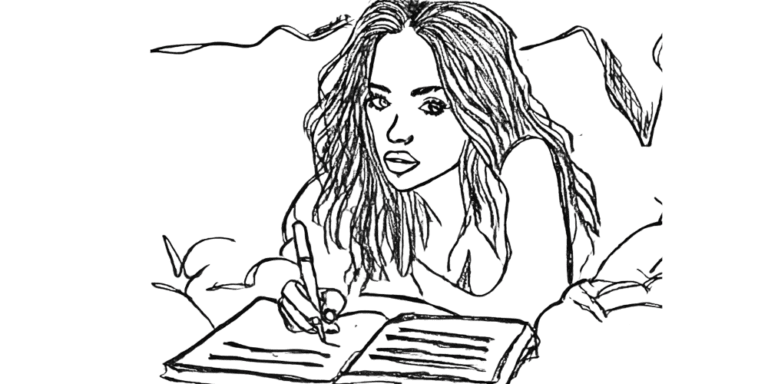
Journaling: Have You Forgotten Parts of Yourself?
The painter did not lose herself in a single day. She lost herself gradually, through hundreds of small decisions that each seemed insignificant on their own. Every compromise felt like an act of love. Every postponed painting seemed temporary. It was only when she stood in front of her dusty easels that she realized how much of herself had quietly disappeared. Many of us experience something similar, not only in romantic relationships but also in friendships, family roles, or careers. We become so focused on taking care of everyone else that we slowly forget to care for the person we are becoming.
This journaling exercise is not about blaming yourself or questioning every compromise you have ever made. Healthy relationships naturally involve flexibility and generosity. The purpose is simply to help you notice whether your relationship has encouraged your growth or whether, without realizing it, you have been setting aside important parts of yourself. Sometimes we do not need to change our relationship. Sometimes we simply need to reconnect with the person we were before we stopped making space for our own passions.
Find a quiet place, open your journal, and reflect on the questions below. Answer them honestly, without judging yourself. Your responses are not meant to tell you what to do. They are meant to help you understand where you are today.
- What activities once made me feel most alive?
- Have I stopped doing something I genuinely loved since entering this relationship?
- Do I still make time for my own dreams and personal goals?
- When was the last time I did something simply because it brought me joy?
- Do I feel free to express my opinions, interests, and personality around my partner?
- Am I changing because I am growing, or because I am afraid of disappointing someone?
- What part of myself would I like to reconnect with this year?
- How can I continue loving someone deeply without forgetting who I am?
As you write, remember that protecting your identity is not the opposite of loving someone. In fact, the healthiest relationships often depend on both people continuing to grow as individuals. The passions, values, and dreams that make you unique are not obstacles to love. They are part of what allows someone to truly know and appreciate you.
If you would like to continue exploring your personal growth, you may find the Self-Discovery Questions Journal helpful for reconnecting with your values, strengths, and aspirations. You can also use the Emotional Check-In Wheel to better understand the emotions that arise as you reflect on your relationships and your sense of identity.
The purpose of this exercise is not to become more independent by loving less. It is to become more fully yourself while continuing to love well. The strongest relationships are not built by two people who lose themselves for each other. They are built by two people who remain whole, encourage each other’s growth, and choose one another every single day.
Frequently Asked Questions About Keeping Your Identity in a Relationship
Is it normal to change after entering a relationship?
Yes. Every meaningful relationship changes us in some way. We develop new habits, learn different perspectives, and grow through shared experiences. The important question is whether those changes help you become a fuller version of yourself or gradually distance you from the person you truly are.
How do I know if I am losing myself in my relationship?
You may be losing yourself if you have abandoned hobbies you once loved, stopped pursuing personal goals, rarely express your own opinions, or constantly place your partner’s needs above your own. Many people also notice that they no longer recognize the person they were before the relationship began.
Can a healthy relationship include personal space?
Absolutely. Personal space is not a sign of emotional distance. It allows both partners to maintain their individuality, nurture their interests, and return to the relationship with renewed energy. Healthy closeness and healthy independence can exist together.
Why do some people give up their identity for love?
People often do this because they fear rejection, conflict, or losing the relationship. Others sincerely believe that constantly sacrificing their own needs is proof of love. While generosity is important, lasting relationships require both people to remain connected to their own values, interests, and sense of self.
Should couples have separate hobbies?
They certainly can. Sharing activities strengthens connection, but maintaining individual interests also supports personal growth. Many healthy couples enjoy spending time together while also encouraging each other to pursue passions that are meaningful on a personal level.
Can losing your identity create resentment?
Yes. When someone repeatedly ignores their own needs, dreams, or passions, they may eventually feel frustrated or emotionally disconnected. That resentment is often directed not only toward the relationship but also toward themselves for abandoning important parts of who they are.
What does healthy love look like?
Healthy love is built on trust, mutual respect, emotional safety, and encouragement. It allows both partners to continue growing individually while building a shared life together. Neither person is expected to disappear so that the relationship can succeed.
Can I reconnect with parts of myself that I have neglected?
Yes. Many people rediscover forgotten passions, friendships, and dreams after realizing they have been neglected. Reconnecting with those parts of yourself does not mean loving your partner less. It often brings more confidence, joy, and authenticity into the relationship.
How can I support my partner’s individuality?
Encourage their passions, celebrate their achievements, respect their personal goals, and allow them space to continue growing. A relationship becomes stronger when both people feel supported in becoming more fully themselves rather than pressured to become someone else.
What is one question I should regularly ask myself?
A simple but powerful question is: Am I becoming more myself because of this relationship, or am I becoming less? Healthy love should help you grow, not slowly erase the qualities that make you unique.
Final Reflection
As I think back to the painter’s story, I realize that the most important moment was not when she bought a new canvas. It was the conversation that happened the night before. She expected to hear gratitude for everything she had sacrificed. Instead, she heard something she had never considered. The man she loved did not want her to become smaller for his sake. He wanted her to become fully herself again.
For a long time, she believed love meant constantly adjusting. Every compromise felt like proof of devotion. Every dream she postponed seemed like an investment in their future together. She never noticed that while their relationship was growing, another relationship was quietly fading—the relationship she had with herself. The painter she once was had not disappeared because someone forced her to give up her art. She had disappeared because she believed that love required it.
Perhaps many of us do something similar without realizing it. We become so focused on being a good partner that we slowly stop being ourselves. We postpone the hobbies that once filled us with joy. We stop seeing friends who helped us grow. We abandon dreams because someone else’s priorities always seem more important. None of these choices feel significant at first. Yet one day we look at our lives and quietly wonder why something inside us feels missing.
The beautiful truth is that healthy love never asks us to disappear. It asks us to become more honest, more compassionate, more patient, and more generous, but never less ourselves. The qualities that made someone fall in love with us in the beginning are usually the very qualities that deserve to be protected throughout the relationship. Our passions, creativity, curiosity, kindness, and dreams are not distractions from love. They are part of the person being loved.
The painter understood this the moment she opened her paintbrushes again. She was not choosing art instead of love. She was choosing to bring her whole self back into the relationship. By reconnecting with what made her feel alive, she also became a happier partner, a more fulfilled woman, and a more authentic version of herself. Love did not become weaker because she reclaimed her identity. It became stronger because there was once again a complete person standing inside it.
Perhaps this is the quiet lesson every healthy relationship teaches sooner or later. You should never have to choose between loving someone and remaining yourself. The right person will not ask you to dim your light so that the relationship can shine. They will encourage you to keep growing, creating, dreaming, and becoming more fully who you are, because they understand that your individuality is not a threat to love. It is one of the reasons love exists in the first place.
The next time you find yourself setting aside another dream, another passion, or another piece of your identity for the sake of a relationship, pause for a moment and ask yourself a simple question: Am I making space for love, or am I making less space for myself? The answer may gently remind you that real love does not ask you to disappear. It walks beside you while cheering for the person you are still becoming.