When Hard Times Reveal Someone’s True Character
Sometimes the hardest part of adversity is not losing what you had, but discovering who people become when everything begins to fall apart.
When Hard Times Reveal Someone’s True Character
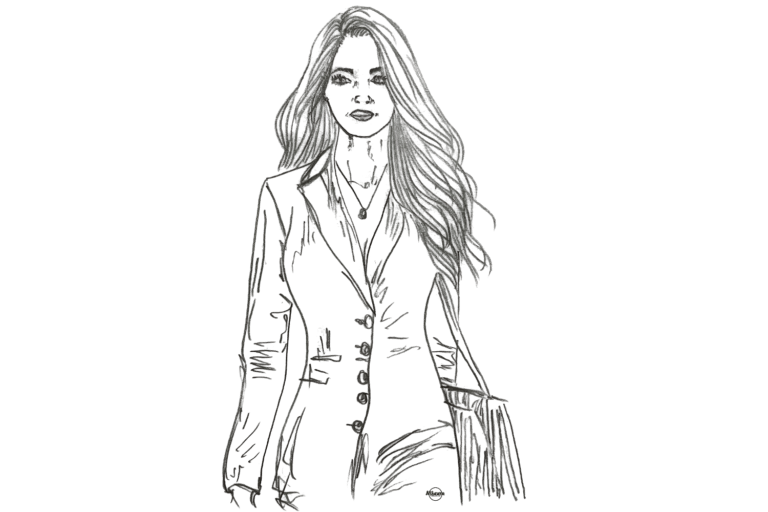
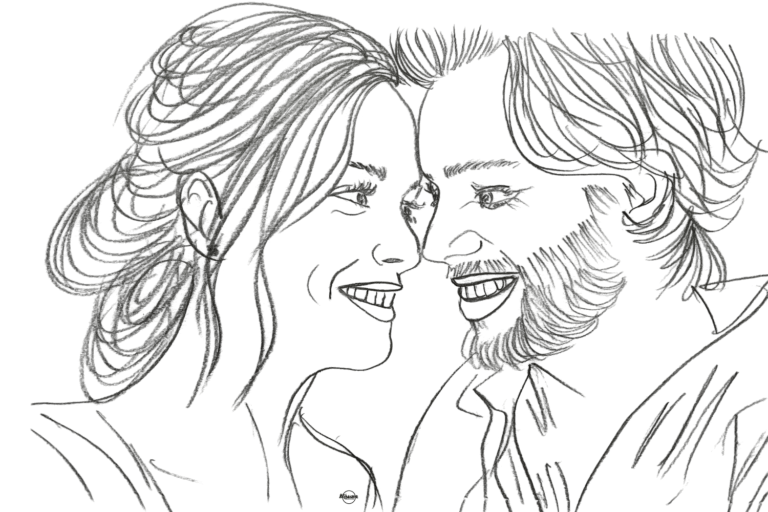
For nearly twenty years, everyone believed they were the kind of couple who would grow old together. They had built a home brick by brick, celebrated birthdays around the same table, comforted each other through illnesses, and dreamed about the quiet years that would come after decades of hard work. Whenever people asked him how he had managed to build such a successful business, he always smiled before mentioning his wife. “She stood beside me through everything,” he would proudly say. Those words made her feel safe. They convinced her that no matter what happened in life, they would always face it together.
Then one year everything changed. A series of failed investments, unexpected market changes, and decisions that could no longer be undone caused his company to collapse. Within a few months, most of what he had spent years building was gone. Friends slowly disappeared. Phone calls became quieter. Confidence turned into fear. She remained where she had always been—beside him. She helped organize paperwork, sold personal belongings without complaint, comforted him through sleepless nights, and quietly carried responsibilities he no longer had the strength to handle. She never asked who was responsible. She simply believed that this was what love looked like when life became difficult.
But instead of bringing them closer, the hardship slowly changed the way he looked at her. His gratitude disappeared. Every conversation became heavier than the one before. Whenever frustration filled the room, his eyes seemed to search for someone to blame, and more often than not, they stopped on the person who had never left his side. Small disagreements became accusations. Ordinary conversations became reminders of everything he believed he had lost. Although she had never caused the financial collapse, she began hearing words that made her question herself. Sometimes he did not even need to speak. A single disappointed glance carried the painful message she could already hear inside her own mind: “If I hadn’t shared my life with you, maybe things would have been different.”
What hurt her most was not the blame itself. It was the sudden disappearance of every memory that had come before it. Years of loyalty seemed erased overnight. The sacrifices she had quietly made no longer existed in his eyes. The countless evenings spent encouraging him when no one else believed in his dreams had become invisible. Instead of remembering who had remained beside him when success was easy, he focused only on finding someone to carry the weight of his disappointment.
At the same time, something else began to happen. The people who praised him without questioning his decisions suddenly became more welcome than the woman who continued telling him the difficult truths he needed to hear. Empty compliments felt more comforting than honest support. Those who protected his pride were invited closer, while the person who had protected his future for years slowly became the target of his anger. She watched in silence as strangers who barely knew him received smiles she had not seen in months.
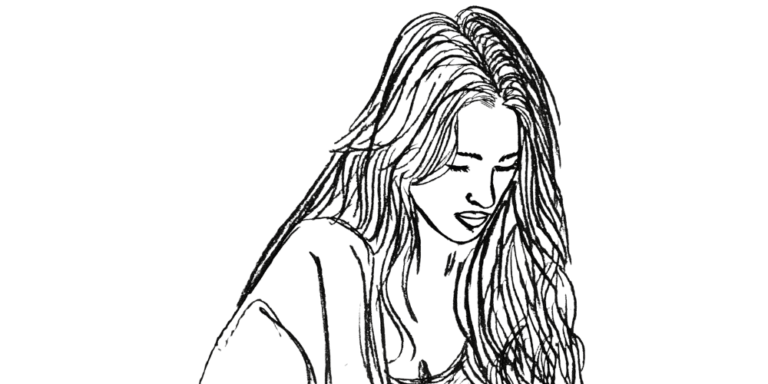
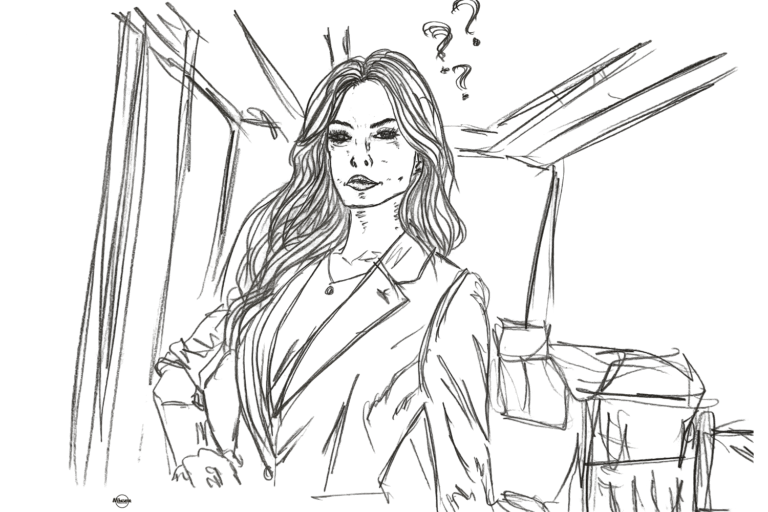
She often lay awake wondering what she had done wrong. Had she failed him without realizing it? Was she somehow responsible for the life they had lost? The questions became endless because blame has a way of planting doubt inside the heart of the person who loves the most. Yet deep inside, another quieter truth waited patiently. The financial crisis had not created the man standing before her. It had simply removed the comfort that had hidden parts of his character for years.
Life has a strange way of introducing us to the people we thought we already knew. During seasons of abundance, kindness, patience, and gratitude often come naturally. But when fear replaces certainty and comfort disappears, something much deeper begins to emerge. Difficult times do not invent character. They reveal it. And sometimes the hardest discovery is realizing that the person you believed would protect you in the storm is the one who starts throwing the rain in your direction.
Why Difficult Times Reveal Character Instead of Creating It
One of the biggest misunderstandings about adversity is believing that it transforms people into someone they were never meant to be. We often hear someone say, “Money changed him,” or, “The crisis turned her into a different person.” In reality, difficult circumstances rarely create a new personality. They remove the comfort that allowed certain parts of someone’s character to remain hidden. Success makes patience easier. Stability makes generosity easier. Security makes kindness feel effortless. But when life becomes uncertain, our deepest habits begin making decisions before our best intentions have time to speak.
That is why hardship can feel so shocking inside a relationship. The person standing in front of us looks exactly the same, yet they suddenly react in ways we never imagined. They become impatient, suspicious, defensive, or emotionally distant. It feels as though we have lost the person we loved overnight. The painful truth, however, is that those reactions were often present long before the crisis. They simply had no reason to appear while life was rewarding, predictable, and comfortable.
This does not mean that everyone who struggles financially or emotionally becomes unkind. Quite the opposite. Many people become even more compassionate during their darkest seasons because hardship reminds them what suffering feels like. They continue treating the people around them with dignity despite their own fears. They may be exhausted, worried, or discouraged, but they never forget who has remained beside them. That difference has very little to do with money itself. It has everything to do with character.
When everything is going well, almost anyone can appear patient, grateful, and generous. There are few reasons to become angry when every plan succeeds and every opportunity seems available. But when life suddenly removes comfort, certainty, or status, something deeper begins to guide our behavior. Some people become more responsible. Others begin searching for someone else to carry the weight of their disappointment. The crisis simply shines a light on whichever path already existed inside them.
This is why paying attention to someone’s behavior during difficult seasons tells us far more than observing them during years of success. Anyone can celebrate with you when life is rewarding them as well. Character becomes visible when there is little left to celebrate. It appears in the way someone accepts responsibility, speaks to the people who support them, responds to failure, and chooses between honesty and blame. Those quiet decisions reveal the foundation on which every relationship has truly been built.
Why Blaming the Closest Person Feels Easier Than Facing Yourself
When life begins to fall apart, our minds instinctively search for an explanation. We want a reason that makes the pain feel understandable. Accepting that our own decisions, mistakes, or circumstances contributed to the situation can be incredibly difficult because it forces us to confront uncomfortable truths about ourselves. For some people, taking responsibility becomes the beginning of growth. For others, it feels unbearable. Instead of looking inward, they begin looking outward, searching for someone else to carry the emotional weight they no longer wish to hold.
Ironically, the first person they often blame is not an enemy. It is the person who stayed closest to them. The partner who encouraged them through sleepless nights. The spouse who believed in their dreams before anyone else did. The person who remained loyal when success made everyone else want to be part of the story. That closeness makes them an easy target. They are present every day. They know every fear and every disappointment. Most importantly, they have already shown that they are willing to forgive.
Blaming the person who loves us can temporarily create the illusion of relief. If someone else is responsible for our suffering, then we no longer have to examine our own decisions. We do not have to ask where we ignored warning signs, made poor choices, or refused difficult advice. The uncomfortable work of self-reflection is replaced by the easier habit of accusation. For a short moment, the mind feels lighter because the burden appears to belong to someone else.
But this relief never lasts. Every unfair accusation slowly damages something far more valuable than pride. It weakens trust. It erodes emotional safety. It makes the person who has been standing beside us question whether their love, sacrifices, and loyalty have any value at all. The tragedy is that the one doing the blaming often believes they are protecting themselves, while they are actually destroying the strongest source of support they still have.
Healthy relationships survive many challenges, including financial loss, career failure, illness, and uncertainty. What they struggle to survive is repeated injustice. People can forgive mistakes. They can forgive moments of fear or frustration. What becomes much harder to heal is the feeling of being treated as the cause of problems they never created. Eventually, even the most patient heart begins to grow tired of carrying responsibility that never belonged to it.
True emotional strength looks very different. It begins with a difficult question: What part of this situation belongs to me? That question is uncomfortable because it requires humility, but it is also the question that opens the door to change. Responsibility does not erase pain overnight, yet it gives us something blame never can—the power to build a different future. A person who accepts responsibility may lose money, opportunities, or status, but they keep something far more valuable: their integrity and the trust of the people who genuinely love them.
When Gratitude Disappears, Love Begins to Break
One of the saddest consequences of blame is that it slowly erases gratitude. The person who once noticed every act of kindness suddenly remembers only disappointment. The meals prepared during stressful days, the encouraging conversations after failures, the sacrifices made without asking for recognition, and the years spent believing in dreams that no one else understood all seem to disappear from memory. It is as if one difficult season rewrites an entire history that was once filled with love and loyalty.
This change rarely happens all at once. It begins quietly. A simple “thank you” is replaced with silence. Appreciation turns into expectation. Acts of love become obligations that are no longer acknowledged. Eventually, the person who has given so much begins to feel invisible. They realize that no matter how much they continue doing, nothing seems to matter anymore because another person’s pain has become the only thing that deserves attention.
When gratitude disappears, relationships become dangerously unbalanced. One person continues giving while the other continues taking. One continues understanding while the other continues accusing. At first, the one who loves the most often accepts this imbalance because they believe it is temporary. They tell themselves that things will improve once life becomes easier again. They wait patiently, hoping that the person they once knew will eventually return.
Unfortunately, hope alone cannot repair a relationship where accountability no longer exists. Love can survive difficult circumstances, but it cannot survive forever without mutual respect. Every time someone’s efforts are ignored, another small piece of emotional connection begins to fade. Every unfair accusation quietly replaces admiration with exhaustion. What was once a relationship built on partnership slowly becomes a relationship built on survival.
Many people believe love disappears because of one dramatic event. More often, it disappears through hundreds of unnoticed moments. A forgotten expression of gratitude. An apology that never comes. A sacrifice that is never recognized. A loyal heart that keeps giving until it has nothing left to offer. These moments seem insignificant when viewed separately, but together they quietly transform the emotional foundation of a relationship.
The painful irony is that the person doing the blaming often believes the relationship will always remain exactly as it has been. They assume the person beside them will continue forgiving, continue understanding, and continue staying regardless of how they are treated. They forget that even the strongest bridge is held together by thousands of small supports. Remove them one by one, and the bridge may still appear strong for a while. But eventually there comes a day when there is simply nothing left holding it together.
Every Unfair Accusation Cuts an Invisible Thread
Trust is rarely destroyed in a single moment. More often, it fades so gradually that neither person notices it happening. Imagine a bridge woven from thousands of strong threads. Each thread represents a shared memory, an act of kindness, a moment of forgiveness, or a promise kept through difficult times. Together they become strong enough to carry two people through almost any storm. But every time one partner is unfairly blamed for problems they did not create, one of those threads is quietly cut.
The person making the accusation often sees only the present moment. They believe they are releasing frustration or defending themselves. What they fail to see is the invisible damage taking place beneath the surface. The relationship may continue tomorrow. Conversations may continue. Daily routines may remain unchanged. From the outside, everything appears normal. Yet inside the heart of the person receiving the blame, something precious has already become weaker.
At first, love is incredibly patient. It tells itself that this is only stress speaking. It excuses harsh words because fear can make people act differently. It remembers all the beautiful years that came before and hopes they will return. That patience is one of love’s greatest strengths. But it can also become one of its greatest vulnerabilities when it is mistaken for endless endurance.
Each accusation removes another thread. Every unfair criticism cuts another one. Every moment of being made responsible for someone else’s choices weakens the emotional bridge a little more. The person doing the blaming rarely notices because the bridge still appears to be standing. They assume it will always remain there, no matter how many threads they continue cutting.
Then one day, something surprisingly small happens. A simple argument. A familiar accusation. Another attempt to place responsibility where it does not belong. This time, however, the bridge no longer holds. Not because of that final moment alone, but because hundreds of invisible threads had already disappeared long before. What looks like a sudden ending is often the result of years of emotional damage that went unnoticed.
This is why respect matters even during life’s darkest seasons. Financial loss can be recovered. Careers can be rebuilt. Opportunities often return with time. But trust is different. Once it has been weakened enough times, rebuilding it requires far more than apologies. It requires consistent accountability, genuine humility, and a willingness to recognize every invisible thread that was carelessly broken. Some relationships heal through that process. Others quietly reach the point where there are simply no threads left to repair.
Real Strength Begins With Taking Responsibility
When life becomes difficult, people often believe strength is measured by how loudly someone speaks, how confidently they defend themselves, or how successfully they convince others that they were treated unfairly. Real strength looks very different. It is quiet. It is uncomfortable. It begins the moment a person has the courage to stand in front of a mirror and ask, What choices did I make that brought me here? That question is painful because it leaves no room for excuses, but it is also the question that opens the door to real change.
Emotionally mature people understand that not every problem is entirely their fault. Life contains unexpected losses, economic crises, illnesses, and circumstances that no one can fully control. Yet even in those situations, they continue searching for the part they can influence. Instead of asking, “Who ruined my life?” they ask, “What can I learn from this? What can I do differently tomorrow?” Responsibility does not mean carrying guilt for everything that happens. It means refusing to surrender your power by placing your entire future in someone else’s hands.
The opposite response often feels easier. Instead of examining painful decisions, a person begins building a story in which someone else becomes the reason for every disappointment. That story may provide temporary emotional relief because it removes the burden of self-reflection. If another person caused everything, then there is nothing left to improve within ourselves. Unfortunately, this kind of relief is only an illusion. Problems that are never honestly faced rarely disappear. They simply return wearing different faces.
This is why some people repeat the same painful patterns throughout their lives. They leave one relationship believing the previous partner was the problem. They enter another relationship carrying the same habits, the same fears, and the same refusal to accept responsibility. When difficulties appear again, another person becomes the new target. The circumstances change, but the pattern remains exactly the same because the real problem was never outside of them.
Those who choose responsibility follow a very different path. They may lose money, experience failure, or watch years of hard work disappear, yet they refuse to sacrifice their values in the process. They continue treating the people who stood beside them with respect because they understand that financial success can always be rebuilt, while trust is much harder to restore once it has been broken. Their dignity is not measured by the size of their bank account but by the way they behave when that account no longer defines them.
Perhaps this is one of the clearest differences between emotional strength and emotional weakness. Weakness searches for someone to blame. Strength searches for a way to grow. Weakness protects pride at any cost. Strength protects integrity even when pride has already been wounded. One path slowly destroys the people who remain closest. The other allows those same people to become part of the journey toward rebuilding a life with honesty, humility, and hope.
What Psychology Says About Blame During Difficult Times
Psychologists have long observed that people respond to stress in very different ways. While some become more reflective and solution-oriented, others rely on psychological defense mechanisms that protect them from painful emotions in the short term. One of these defenses is known as projection. Projection happens when a person unconsciously attributes their own fears, failures, or uncomfortable feelings to someone else instead of acknowledging them within themselves. Although this reaction may temporarily reduce emotional discomfort, it often damages relationships because the real source of the problem is never addressed.
Another common response to hardship is the tendency to search for certainty in situations that feel uncontrollable. When financial loss, failure, or unexpected change shakes a person’s sense of security, the brain naturally looks for an explanation. Unfortunately, the simplest explanation is not always the most accurate one. Rather than accepting that life can be unpredictable or recognizing the role of their own decisions, some people choose a convenient target for their frustration. The closest loved one often becomes that target simply because they are always present and emotionally available.
Research on resilience consistently shows that people who recover most effectively from adversity share one important characteristic: they accept responsibility for the parts of life they can control while learning to let go of what they cannot. This mindset allows them to focus their energy on rebuilding instead of remaining trapped in blame. Although accepting responsibility can feel painful at first, it creates a sense of personal agency that blaming others can never provide.
Psychologists also emphasize that healthy relationships act as protective factors during periods of stress. Supportive partners help reduce anxiety, improve emotional resilience, and make recovery more likely. However, this protective effect depends on mutual respect and emotional safety. When one partner repeatedly becomes the target of unfair accusations, the relationship gradually loses the very trust that could have helped both people navigate the crisis together.
Perhaps the most important psychological lesson is that adversity does not automatically define who we become. While we cannot always control what happens to us, we can choose how we respond. Every difficult season presents an opportunity to strengthen humility, accountability, and compassion—or to strengthen resentment, denial, and blame. Those choices shape not only our future but also the future of every relationship we hope to keep.
According to the American Psychological Association (APA), resilience involves adapting to adversity through healthy thinking patterns, supportive relationships, and a willingness to move forward despite setbacks. One of the strongest predictors of resilience is maintaining meaningful, respectful connections with others instead of allowing hardship to destroy them.
Source: American Psychological Association — Building Your Resilience
Journaling: When Someone Else’s Blame Becomes Your Burden
Being blamed by someone you love can slowly change the way you see yourself. At first, you know the accusations are unfair. But after hearing them enough times, doubt quietly begins to grow. You start replaying conversations, questioning your choices, and wondering whether you somehow caused problems that were never yours to carry. This is one of the most painful effects of repeated blame—it doesn’t only damage the relationship; it can also damage the relationship you have with yourself.
Journaling can help separate your own truth from the stories someone else has placed upon you. It allows you to step away from guilt that does not belong to you and reconnect with your own perspective. As you write, try to answer these questions honestly:
- What responsibilities truly belong to me, and which ones have I accepted simply because someone else placed them on my shoulders?
- When did I first begin doubting myself, and what caused that change?
- How has this relationship affected the way I speak to myself?
- Have I been confusing compassion with responsibility for another person’s choices?
- If someone I deeply loved were living my story, what would I tell them?
- What boundaries do I need to create to protect my emotional well-being while still remaining compassionate?
- What kind of relationship would allow me to feel safe, respected, and appreciated during life’s hardest seasons?
There is an important difference between supporting someone through hardship and carrying responsibility for decisions that were never yours. Love may invite us to help another person stand again, but it should never require us to become the permanent container for someone else’s guilt, anger, or disappointment. Healthy compassion walks beside another person. It does not replace their responsibility with our own.
If this article resonated with you, you may find it helpful to continue your reflection with a few of Mibosma’s free resources. The Journal Prompts for Emotional Healing can help you process difficult emotions and separate your own truth from someone else’s accusations. The Emotional Check-In Wheel is a gentle exercise for identifying what you are truly feeling instead of carrying emotions that may not belong to you. Finally, the Self-Discovery Questions Journal offers thoughtful prompts to reconnect with your identity, rebuild self-trust, and remember who you are beyond another person’s judgment.
Frequently Asked Questions About Blame, Responsibility, and Difficult Times
Why do some people blame the person closest to them?
When people feel overwhelmed by fear, failure, or uncertainty, they sometimes look for someone to carry the emotional weight they cannot face themselves. The closest person often becomes the easiest target because they are always present, emotionally invested, and more likely to forgive than anyone else. While this reaction may provide temporary relief, it usually damages the very relationship that could have helped them through the difficult season.
Can financial problems change someone’s personality?
Financial hardship does not usually create a new personality. More often, it reveals existing patterns of thinking, coping, and responding to stress. Some people become more compassionate and responsible during difficult times, while others become defensive or begin searching for someone to blame. The crisis exposes character more than it creates it.
How can I tell if I am being unfairly blamed?
If you are consistently held responsible for decisions you did not make, feel guilty for circumstances beyond your control, or constantly find yourself apologizing just to keep the peace, you may be carrying blame that does not belong to you. Healthy relationships encourage honest conversations about shared challenges instead of placing all responsibility on one person.
Should I stay with someone who constantly blames me?
Every relationship experiences moments of frustration, especially during stressful periods. However, if blame becomes a repeated pattern and the other person refuses to take responsibility for their own choices, the relationship can become emotionally unhealthy. Change is possible only when both people are willing to acknowledge their own role, communicate honestly, and work toward rebuilding trust together.
Can someone change after realizing they have been blaming others?
Yes. Genuine change begins when a person becomes willing to look inward instead of searching for external causes. Accepting responsibility requires humility, but it also opens the door to personal growth, healthier relationships, and emotional maturity. Lasting change is shown through consistent actions rather than promises alone.
Why does repeated blame hurt so deeply?
Because it slowly erodes trust, safety, and self-worth. Being unfairly blamed by someone you love can make you question your own memories, intentions, and value. Over time, this emotional burden can become exhausting, even if you continue caring deeply about the other person.
What does emotional strength look like during difficult times?
Emotional strength is not pretending everything is fine or refusing to feel pain. It is the willingness to face reality honestly, accept responsibility for what you can control, learn from mistakes, and continue treating others with kindness and respect even when life feels unfair.
What is the most important lesson from difficult seasons?
Difficult seasons reveal far more than they take away. They show us who accepts responsibility, who protects the people they love, and who chooses blame instead of growth. Although adversity can be painful, it often provides the clearest picture of someone’s true character—including our own.
Final Reflection
As I think back to the couple’s story, I realize the greatest loss was never the money. Money can disappear and return. Businesses can fail and be rebuilt. Careers can begin again. What proved far more difficult to recover was the trust that had quietly been destroyed one accusation at a time. The financial crisis eventually ended, but the words spoken during that season continued echoing long after the bank account had stopped defining their lives.
Many people believe the hardest part of hardship is the loss itself. Often, it is not. The hardest part is discovering how people choose to treat one another when everything they depended on begins to disappear. Some become gentler because they understand what suffering feels like. Others become harsher because they cannot bear the weight of their own disappointment. The difficult season eventually passes, but the memories of how someone made us feel during that time often remain for years.
If someone repeatedly blames you for choices that were never yours, remember this: compassion does not require accepting responsibility for another person’s life. You can stand beside someone, encourage them, support them, and genuinely hope they find their way again. But you cannot heal a person who refuses to face themselves. No amount of love can replace another person’s willingness to take responsibility for their own actions.
Sometimes people stay far longer than anyone realizes. Not because they are weak, but because they remember the person their loved one used to be. They hope that once the storm passes, kindness will return. They keep believing that tomorrow will be different. They forgive another harsh word, then another, and another. What the other person often fails to notice is that every unfair accusation quietly cuts another invisible thread connecting two hearts.
One day there are no threads left. Not because love disappeared overnight, but because it was slowly worn away by repeated blame, forgotten gratitude, and unspoken pain. The person who remained through every difficult moment finally walks away—not out of hatred, but because there is nothing left inside them capable of carrying a burden that never belonged to them.
Life has a way of teaching lessons that no friend, partner, or family member can force us to learn. Sometimes the people who loved us most spend years trying to help us see our own mistakes, yet we refuse to listen because blaming someone else feels easier. Then one day life places us in silence, and we finally recognize what we lost. By then, the person who stood beside us through every storm may no longer be waiting.
Perhaps the greatest measure of character is not how we celebrate success but how we behave when success disappears. Anyone can be grateful when life is generous. True character appears when disappointment arrives. It is revealed in whether we choose accountability instead of blame, humility instead of pride, and gratitude instead of resentment.
If there is one lesson worth carrying from this story, it is this: difficult times will always reveal something. Make sure they reveal your courage, your integrity, and your capacity to protect the people who stood beside you—not your willingness to sacrifice them for the comfort of avoiding your own reflection.