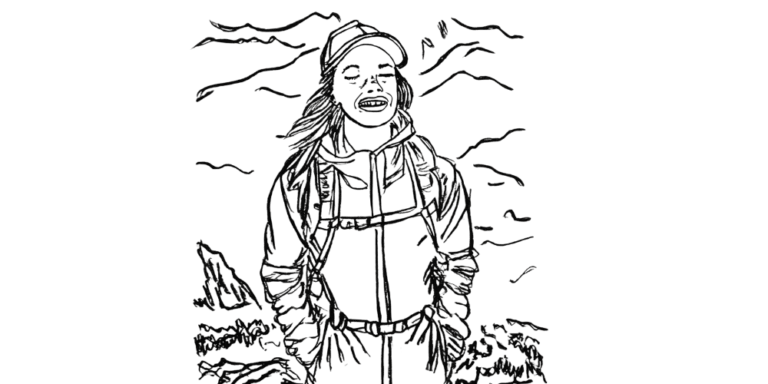
Why Some People Carry Unbearable Pain in Silence
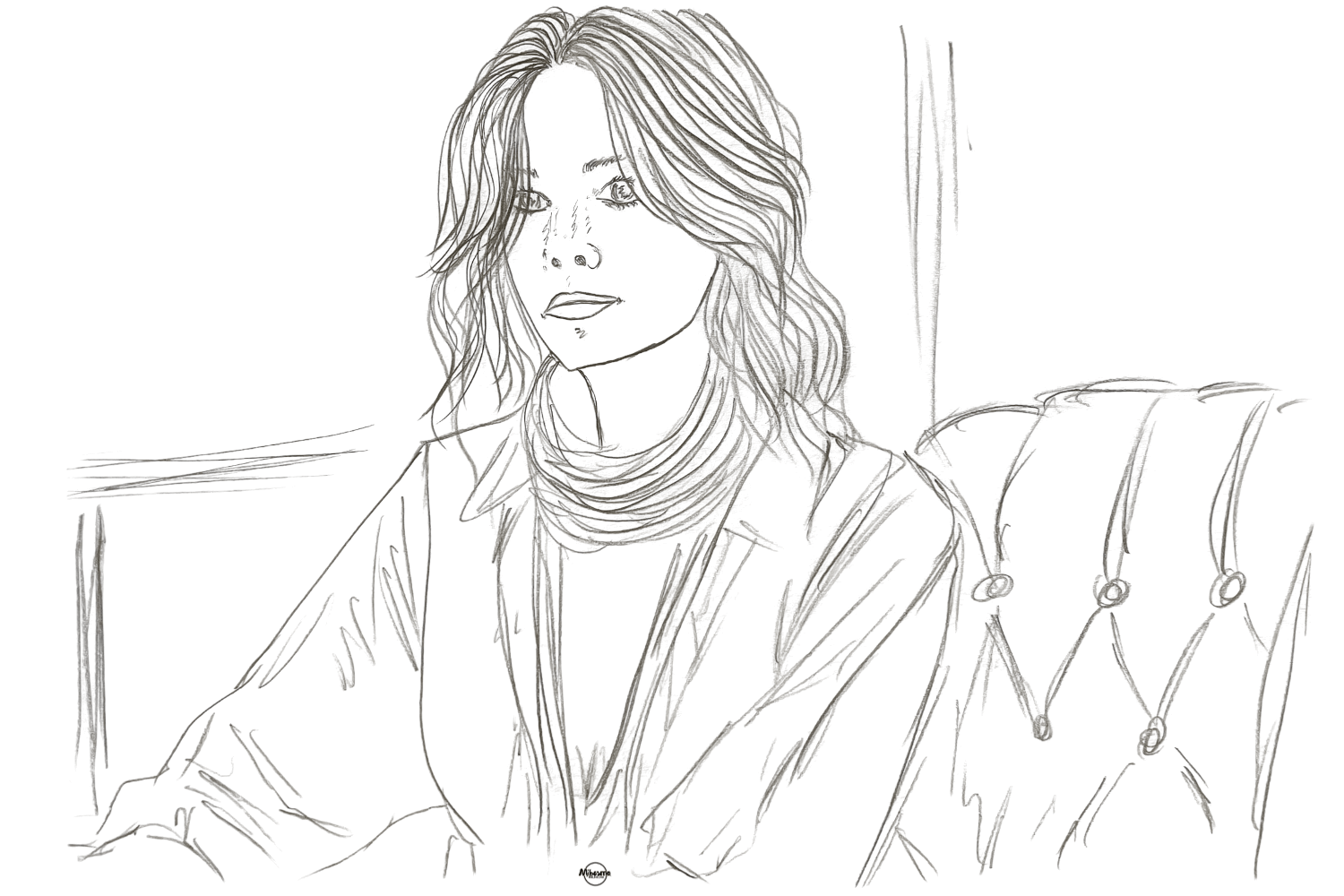
Not every wound asks to be seen. Some of the deepest pain is carried behind a calm face, a quiet voice, and the simple words, “I’m fine.”
Why Some People Carry Unbearable Pain in Silence
During her first week working in the emergency department, a young medical resident believed she already understood pain. She had studied anatomy for years, memorized every nerve in the human body, and learned how injuries affected muscles, bones, and organs. She assumed that the people crying the loudest were suffering the most. It seemed obvious. Pain, she believed, always demanded to be heard.
Late one evening, two patients arrived within minutes of each other. The first was a young man shouting uncontrollably after breaking his arm in a motorcycle accident. His screams echoed through the waiting room, and every new doctor rushed toward him. Sitting only a few meters away was an elderly woman. She remained completely silent. Her breathing was slow, her face showed almost no expression, and she quietly waited for someone to notice her. She never complained. She never called for help.
One experienced nurse glanced at both patients for only a few seconds before walking directly toward the elderly woman. The resident looked surprised. Why would anyone leave the man who was screaming in agony? The nurse gently asked the woman a few questions before immediately calling for additional doctors. Moments later, the medical team discovered that she was suffering from a massive internal hemorrhage. She had been living with chronic pain for so many years that her body no longer reacted the way most people expected. She had learned to remain silent, even while facing one of the most dangerous moments of her life.
Later that night, the resident admitted she had almost ignored the woman because she looked so calm. The nurse smiled kindly and replied, “Never confuse the volume of pain with the depth of pain. Some of the people who suffer the most have simply learned not to show it anymore.”
Those words remained with the resident for years. She began noticing the same pattern everywhere. The colleague who always smiled despite quietly caring for a sick parent. The father who continued working every day while grieving the loss of a child. The friend who laughed at dinner only to cry alone once everyone had gone home. Even physical pain followed the same mysterious rule. Some people collapsed from discomfort that others seemed able to carry without saying a word. It was never because one person’s pain mattered more than another’s. Every nervous system, every life story, and every heart learns to carry suffering differently.
Perhaps this is why pain is one of the easiest human experiences to misunderstand. We often assume that if someone is functioning, they must be fine. If they are smiling, they must be healing. If they never complain, they probably are not suffering very much. Yet some of the strongest people we will ever meet are carrying burdens that no one around them can see. Their silence is not proof that the pain has disappeared. It is often proof that they have spent years learning how to survive it.
Whether the wound lives inside the body or inside the heart, pain does not always ask for attention. Sometimes it hides behind routine, responsibility, kindness, or even humor. The absence of visible tears should never be mistaken for the absence of suffering. Some of life’s deepest battles are fought in complete silence, where no applause is given, no audience is watching, and no one realizes how much strength it takes simply to make it through another ordinary day.
Why Pain Affects People So Differently
One of the greatest misconceptions about pain is believing that everyone experiences it in the same way. We often compare people without realizing that no two nervous systems, no two life stories, and no two hearts respond identically to suffering. The same physical injury may leave one person unable to move while another quietly continues their daily routine. The same emotional loss may completely overwhelm one individual while another appears calm on the surface. These differences do not mean one person’s pain is real and another’s is exaggerated. They simply remind us that pain is deeply personal.
Physical pain is shaped by many factors, including genetics, previous injuries, chronic illness, fatigue, stress, and even emotional well-being. Someone who has lived with chronic pain for years may develop an extraordinary ability to continue functioning despite constant discomfort. Their body has not stopped feeling pain. Instead, it has gradually learned how to survive alongside it. What looks like remarkable strength from the outside is often the result of years of adaptation rather than the absence of suffering.
Emotional pain follows a similar pattern. Two people may experience the same betrayal, the same rejection, or the same loss, yet carry it very differently. One may openly cry, seek support, and slowly heal through conversation. Another may continue smiling, working, and caring for everyone around them while silently carrying the same heartbreak. Their silence should never be mistaken for peace. Sometimes it is simply the only way they know how to keep moving forward.
Past experiences also shape our ability to endure pain. A person who has repeatedly faced hardship may develop remarkable resilience, learning to remain calm even during overwhelming circumstances. At the same time, that resilience often comes with an invisible cost. Many people become so accustomed to carrying pain that they stop expressing it altogether. They no longer expect others to understand, so they quietly continue living while hiding wounds that never fully healed.
This is why comparing suffering is rarely helpful. Saying that someone else has experienced worse pain does not reduce the pain another person is feeling today. Every human being carries a unique combination of memories, fears, hopes, and emotional resources. What overwhelms one person may strengthen another, just as what seems manageable today may become unbearable under different circumstances. Pain cannot be measured by comparison because every life tells a different story.
Perhaps the greatest lesson is that we should become slower to judge and quicker to show compassion. The person sitting quietly beside us may be carrying a burden far heavier than we can imagine. Likewise, the person openly expressing their pain is not weak for asking for help. There is no single “correct” way to suffer. There are only different ways human beings learn to survive when life asks more of them than they ever thought they could endure.
Why Some People Stop Showing Their Pain
One of the most heartbreaking things about pain is that it often becomes quieter with time. Many people imagine that if someone’s suffering continues, they will eventually ask for help or openly express what they are feeling. In reality, the opposite sometimes happens. The longer a person carries pain alone, the more they learn to hide it. Not because it hurts less, but because they grow tired of explaining something that few people truly understand.
This silence is often misunderstood. Friends may say, “You seem much better now,” simply because they no longer see tears. Family members may believe the worst has passed because life appears to have returned to normal. Colleagues notice that the person continues working every day and assume everything is fine. Yet beneath that calm surface, the pain may still be just as intense as it was months or even years earlier. The only difference is that the person has learned to carry it without letting it interrupt every conversation or every smile.
This happens with physical pain as well. Someone living with chronic back pain, migraines, arthritis, or another long-term condition may stop mentioning it altogether. They know the pain will still be there tomorrow. Repeating the same explanation every day becomes exhausting. Instead, they quietly adapt. They move more slowly, avoid certain activities, and continue living while carrying discomfort that no one else can see.
Emotional pain follows a similar path. A person who has experienced betrayal, grief, rejection, or years of disappointment may eventually stop speaking about it. They are not pretending the wound has healed. They have simply realized that not everyone knows how to sit with another person’s pain. Some people immediately offer advice. Others change the subject. Some become uncomfortable and disappear. After enough experiences like these, silence begins to feel safer than vulnerability.
There is also another reason people stop showing their pain—they do not want to become a burden. Many quietly convince themselves that everyone else already has enough problems. They smile, ask others how they are doing, continue helping those around them, and carry their own suffering in private. Ironically, these are often the people others describe as “the strongest.” What no one sees is that their strength was never the absence of pain. It was the decision to keep moving despite it.
This is why kindness matters more than appearances. We never truly know what another person is carrying behind a calm expression or a simple “I’m okay.” The strongest people in the room are not always the ones who speak the loudest about their struggles. Sometimes they are the ones who have become so skilled at hiding their pain that the world forgets to ask how they are really doing.
The Difference Between Enduring Pain and Healing From It
People often admire those who can endure incredible amounts of pain. We call them strong because they continue working despite illness, caring for others while carrying a broken heart, or smiling through circumstances that would overwhelm many people. Endurance is remarkable, but it is important to remember that enduring pain is not the same as healing from it. A person can become incredibly skilled at surviving while still carrying wounds that have never truly been given the chance to recover.
This is true for both physical and emotional pain. Someone living with chronic physical pain may learn exactly how to move, sit, or work in ways that reduce discomfort. They become experts at adapting their lives around the pain. Yet adaptation does not necessarily mean the injury has healed. The body has simply learned new ways to function alongside it.
The same happens within the heart. A person who has experienced deep betrayal, grief, childhood trauma, or repeated disappointment may eventually return to work, laugh with friends, and continue living what appears to be a normal life. From the outside, it may seem as though they have completely moved on. In reality, many have simply become experts at carrying emotional weight without allowing it to stop them. The wound is quieter, but it may still be present.
Healing begins when pain no longer controls the way we see ourselves or the world around us. It does not mean forgetting what happened or pretending the experience never existed. Instead, healing allows us to remember the past without remaining imprisoned by it. The memory stays, but it no longer dictates every decision, every relationship, or every expectation we have for the future.
One reason healing can take so long is that pain often changes the stories we tell ourselves. A person who has been abandoned may begin believing they are unworthy of love. Someone who has been repeatedly criticized may quietly conclude that nothing they do will ever be enough. These beliefs become heavier than the original event because they continue influencing life long after the painful moment has ended. True healing involves gently questioning those beliefs and replacing them with truths that are rooted in self-worth rather than fear.
Perhaps this is why we should be careful when telling someone to “be strong.” Strength is valuable, but no one should have to spend their entire life simply surviving. Real strength is also found in allowing ourselves to rest, to ask for support, to acknowledge our pain without shame, and to slowly rebuild the parts of ourselves that suffering once tried to take away. Surviving may keep us alive, but healing is what allows us to truly live again.
What Psychology Says About Hidden Pain and Resilience
Psychologists have long recognized that pain is influenced by far more than the injury itself. Physical pain and emotional pain both pass through the brain, where they are shaped by past experiences, beliefs, stress levels, relationships, and even a person’s sense of safety. This is why two people can experience similar events yet respond in completely different ways. Pain is never simply a measure of what happened. It is also a reflection of how the mind and body have learned to interpret and carry that experience.
Research also shows that people who have lived through repeated adversity often develop remarkable resilience. Resilience does not mean becoming immune to pain or pretending that suffering no longer exists. Instead, it is the ability to continue adapting, functioning, and finding meaning despite difficult circumstances. However, resilience can sometimes create an unexpected misunderstanding. Because resilient people often continue working, smiling, and caring for others, those around them may wrongly assume they no longer need support.
Psychologists also describe a phenomenon known as emotional suppression. This happens when people consciously or unconsciously hide their emotions to avoid burdening others, appearing vulnerable, or reliving painful experiences. While emotional suppression may help someone cope in the short term, carrying every feeling alone for long periods can increase emotional exhaustion and reduce overall well-being. Expressing pain safely through trusted relationships, journaling, or professional support is often an important part of long-term healing.
Physical pain and emotional pain are also more closely connected than many people realize. Chronic stress, grief, anxiety, and unresolved emotional trauma can intensify physical discomfort, while persistent physical pain can increase feelings of sadness, hopelessness, and isolation. Rather than existing separately, the body and mind constantly influence one another. Caring for one often helps the other begin to recover as well.
Perhaps the most important psychological lesson is this: visible behavior is not a reliable measure of invisible suffering. A calm expression does not guarantee inner peace. A smile does not always mean happiness. Someone who rarely complains may simply have learned that silence feels safer than asking for help. This is why empathy matters so deeply. Instead of assuming we know how much another person is carrying, we can choose curiosity, kindness, and compassion. Sometimes the question, “How are you really doing?” becomes far more healing than any advice we could ever give.
According to the American Psychological Association (APA), resilience grows through supportive relationships, healthy coping strategies, self-awareness, and the willingness to seek support when needed. True resilience is not about hiding pain forever—it is about learning to move forward without losing hope or connection to others.
Source: American Psychological Association — Building Your Resilience
Journaling: Giving Your Pain a Safe Place to Exist
Pain becomes heavier when it has nowhere to go. Many people spend years carrying physical discomfort, emotional wounds, grief, disappointment, or silent heartbreak without ever allowing themselves to truly acknowledge what they are feeling. They become so accustomed to surviving that they forget they also deserve moments of healing. Journaling creates a quiet space where you no longer have to pretend that everything is fine. It is not about finding immediate answers. It is about allowing your heart to speak honestly without fear of being judged.
Take a few quiet moments and write your answers to these questions with complete honesty:
- What pain have I been carrying that I rarely allow myself to acknowledge?
- Do I usually hide my pain to protect others, or because I fear they won’t understand?
- How has this pain changed the way I see myself or the people around me?
- What would I say to someone I deeply love if they were carrying the same burden I am carrying today?
- When was the last time I allowed myself to receive support instead of always being the one who gives it?
- What part of my pain still needs compassion instead of criticism?
- What small act of kindness can I offer myself today as I continue healing?
Healing does not begin when pain disappears. It begins when we stop pretending that our pain is unworthy of attention. Giving yourself permission to feel is not a sign of weakness. It is one of the first steps toward becoming whole again.
If you would like extra support, Mibosma offers several free resources designed to help you explore your emotions with kindness. The Journal Prompts for Emotional Healing provide gentle writing exercises to help you process difficult emotions honestly. The Emotional Check-In Wheel can help you recognize and name what you are truly feeling, while the Weekly Reflection Sheet offers a simple way to pause, reflect, and notice how your emotional well-being changes over time. Sometimes healing begins with nothing more than giving your pain a place where it no longer has to stay hidden.
Frequently Asked Questions About Pain and Silent Suffering
Why do some people hide their pain instead of asking for help?
People hide their pain for many reasons. Some fear becoming a burden, others believe no one will understand, and many have learned through past experiences that expressing their emotions did not lead to comfort or support. Silence is not always a sign that someone is healing. Sometimes it is simply the way they have learned to survive.
Can emotional pain feel as intense as physical pain?
Yes. Research shows that emotional pain and physical pain activate some of the same areas of the brain. Experiences such as grief, rejection, betrayal, or loneliness can feel physically overwhelming, affecting sleep, appetite, energy levels, and even causing real physical discomfort.
Why can two people experience the same event but react so differently?
Every person carries a unique history, personality, nervous system, and emotional resilience. Past experiences, childhood, support systems, health, and coping skills all influence how someone experiences pain. There is no universal way to respond to suffering.
Does becoming used to pain mean it hurts less?
Not necessarily. Many people living with chronic physical or emotional pain become skilled at functioning despite their suffering. Their ability to continue working, smiling, or caring for others does not mean the pain has disappeared. Often, it means they have adapted to carrying it.
How can I support someone who never talks about their pain?
Offer a safe and judgment-free presence rather than trying to immediately solve their problems. Listen more than you speak, respect their pace, and gently remind them that they do not have to carry everything alone. Sometimes knowing that someone is willing to listen without judgment is more healing than any advice.
Is crying a sign of weakness?
No. Crying is one of the body’s natural ways of expressing overwhelming emotions. Some people cry easily, while others rarely do. Neither response measures the depth of someone’s pain or the strength of their character.
What is the difference between surviving and healing?
Surviving means finding a way to continue despite the pain. Healing means gradually reaching a place where the pain no longer controls your identity, your relationships, or your hope for the future. Both require strength, but healing also requires compassion toward yourself.
What is the most important lesson about pain?
Never assume you know how much someone is suffering simply by looking at them. The loudest pain is not always the deepest, and the quietest smile is not always a sign that everything is okay. Kindness matters because every person you meet may be carrying a battle you cannot see.
Final Reflection
Pain is one of the few experiences that every human being will face, yet no two people will carry it in exactly the same way. Some express it openly, finding comfort in sharing their struggles with others. Some retreat into silence, believing their suffering is theirs alone to bear. Some recover quickly, while others spend years slowly rebuilding parts of themselves that pain once shattered. None of these journeys make a person weaker or stronger than another. They simply remind us that every heart heals at its own pace.
Perhaps the greatest mistake we make is believing that we can measure another person’s pain by what we see on the surface. We notice the smile and assume they are happy. We see them going to work, laughing with friends, or taking care of their family, and we conclude that everything must be fine. Yet behind many calm faces are battles that no one else knows exist. Some people have simply become so practiced at carrying their pain that the world forgets they are carrying anything at all.
This is why compassion is never wasted. A kind word, a patient conversation, a simple question asked with genuine care, or the willingness to sit beside someone without trying to fix everything can become moments that lighten an invisible burden. We may never fully understand what another person is enduring, but we can choose to treat them with the kindness we would hope to receive if our own hidden pain ever became too heavy to carry alone.
If you are the one quietly carrying pain today, remember this: you do not have to prove how much you are hurting in order for your pain to be real. Your struggles are valid, even if no one else can see them. Healing is not a race, and it is not measured by how quickly you appear “back to normal.” Every small step toward caring for yourself, every honest conversation, every moment you allow yourself to rest, and every act of self-compassion is part of the journey forward.
The strongest people are not those who never feel pain. They are the ones who continue choosing hope, kindness, and humanity even after life has given them every reason to become bitter. Pain may become part of your story, but it does not have to become your identity. And sometimes, the quiet decision to keep moving forward—one gentle step at a time—is the bravest thing a person can do.