
Why the Darkest Moments in Life Often Become the Beginning of Our Greatest Growth
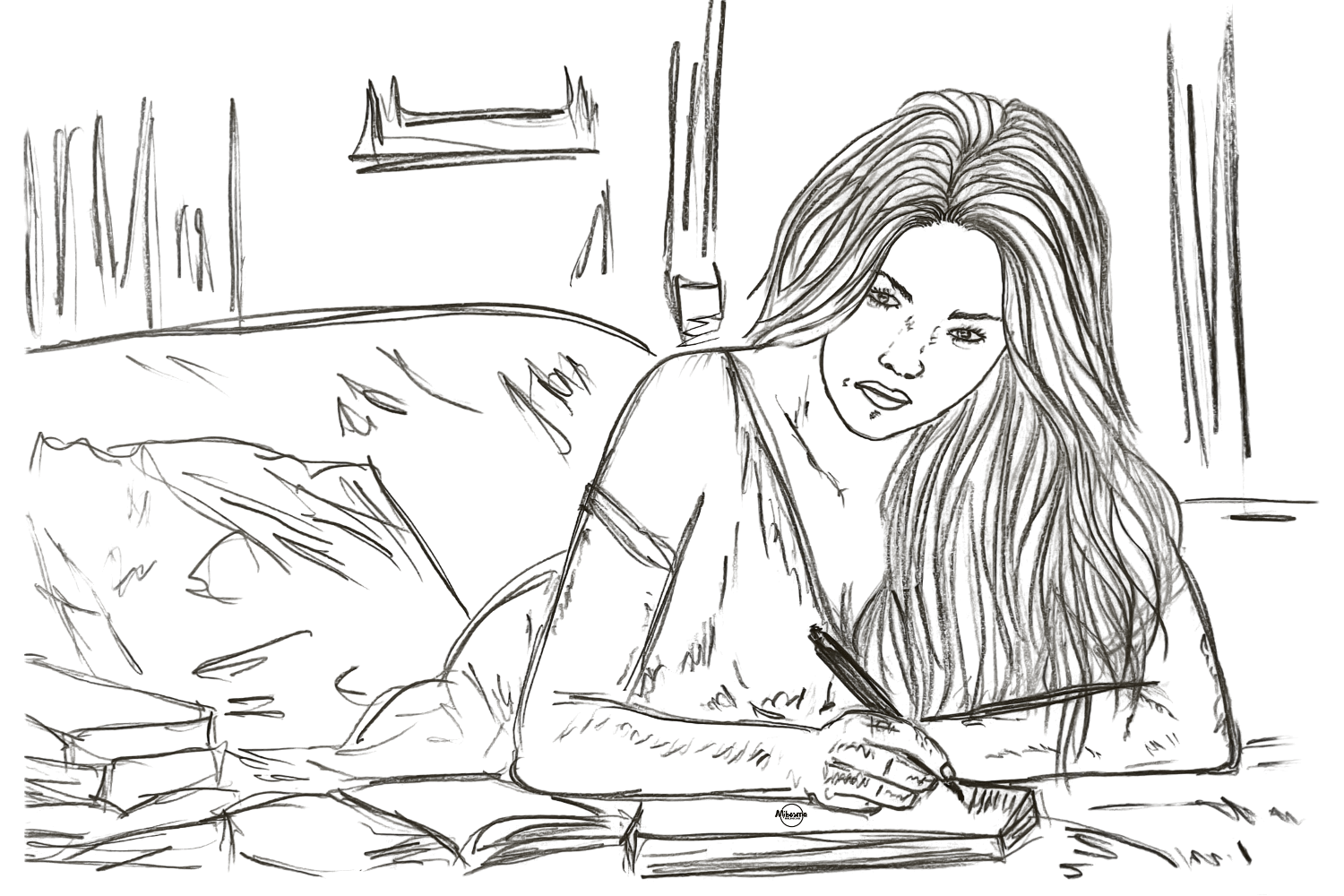
Sometimes the moment that convinces us our life is ending is quietly becoming the moment our real life begins.
Why the Darkest Moments in Life Often Become the Beginning of Our Greatest Growth
“Why do we hate the moment when everything feels lost?”
There are moments in life that feel unlike any other. Moments when it seems as though every door has closed, every hope has disappeared, and every dream we once believed in has quietly fallen apart. Sometimes it begins after losing someone we love. Sometimes after a painful failure, an unexpected betrayal, or months of silently carrying more than we ever realized. And sometimes, we cannot even explain why everything suddenly feels too heavy to keep carrying. In what feels like a single moment, the life that once seemed familiar becomes almost unrecognizable. We look around and no longer recognize the future we imagined or even the person we have become. The future feels empty, the past feels like a collection of mistakes, and the present becomes almost impossible to bear. It is often during these darkest moments in life that we begin questioning everything—our choices, our abilities, our purpose, and sometimes even whether continuing to move forward is worth the effort. We stop seeing possibilities and begin seeing only endings. We convince ourselves that everything that could have gone wrong already has, and we find ourselves trapped inside thoughts that seem to have no escape.
This is perhaps the most painful place a human being can reach because it is not simply the pain of losing something. It is the pain of believing that nothing better can ever exist again. It is the moment when our confidence disappears, our faith in ourselves is buried beneath fear, and our mind begins telling us that giving up would be easier than trying one more time. Almost everyone who has lived long enough has experienced a moment like this, even if they never speak about it. We tend to hide these chapters because they make us feel fragile, ashamed, or broken, yet they are far more common than we imagine.
Most people see these dark moments as proof that life is collapsing. They believe they are witnessing the destruction of everything they worked so hard to build. But what if they are seeing only half of the story? What if the reason these moments hurt so deeply is because they are not simply destroying an old life—they are forcing us to build a completely different version of ourselves? As strange as it may sound, the moments we hate the most are often the ones that quietly prepare us for a future we could never have reached by remaining the person we used to be. Sometimes life has to break the limits of who we are before it can reveal who we are capable of becoming.
Understanding why these moments exist changes the way we experience them forever. What feels like an ending is often the beginning of a transformation that only becomes visible once we have found the strength to keep moving through the darkness.
Why the Darkest Moments Push Us Further Than Comfortable Ones Ever Could
Imagine that your life is like driving an old car. It has carried you through countless ordinary days, and although it is far from perfect, it still gets you where you need to go. Every time a small problem appears, you repair only what is necessary. A strange noise from the engine, worn-out brakes, or a leaking tire—you fix just enough because the car is still capable of moving forward. In many ways, we treat ourselves the same way. When life presents ordinary challenges, we make only the adjustments needed to keep going. We change a habit, learn a small lesson, recover from a disappointment, and continue living. There seems to be no reason to completely transform because the person we have become still appears capable of carrying us through another day.
Then, one day, life stops giving us ordinary problems.
Instead, it leaves us completely stranded.
It feels as though our car has broken down in the middle of an endless desert. There is no town nearby, no mechanic to call, no family member coming to rescue us, and no easy solution waiting just around the corner. For the first time, we realize that continuing to live exactly as we always have is no longer an option. We are faced with a painful truth: either we rebuild what no longer works, or we remain exactly where we are. That realization hurts because it strips away the comforting illusion that someone else will eventually come and save us.
Yet something remarkable begins to happen during moments like these. The mind that once searched for comfort suddenly starts searching for possibilities. It becomes more creative because comfort is no longer available. It becomes more determined because giving up now carries consequences that feel impossible to accept. We begin noticing opportunities we had overlooked for years, discovering strengths we never needed before, and developing abilities that ordinary life never asked us to cultivate. The crisis does not magically make us stronger—it simply awakens strengths that had been quietly waiting inside us all along.
At first, it feels as though we are desperately trying to repair the same old engine. But little by little, something much greater begins to happen. We stop trying to restore the old version of ourselves and start building a completely new one. The person who eventually walks out of that desert is no longer driving the same car they arrived with. They have built a stronger engine, one capable of traveling farther than they ever imagined possible. The catastrophe that once seemed like the end of their journey quietly became the beginning of a completely different one.
This is why the darkest moments in life so often become the greatest turning points we will ever experience. They force us to stop surviving through temporary repairs and begin creating a stronger foundation. What once looked like destruction was often the moment life stopped asking us to improve the person we had been and started inviting us to become the person we were always capable of becoming.
When We Reach Rock Bottom, Our Mind Stops Looking for Comfort and Starts Looking for Survival
One of the greatest misconceptions about personal growth is the belief that we become stronger simply because we choose to. In reality, many of life’s greatest transformations begin long before we feel ready. They begin when life leaves us with no comfortable alternatives. As long as we believe there is another easy solution, another shortcut, or someone else who will eventually rescue us, our mind has very little reason to change. We naturally remain inside familiar habits because familiarity feels safe. Even when those habits keep us trapped, they still seem easier than becoming someone entirely new.
Everything changes when we reach what feels like rock bottom. There comes a moment when we realize that waiting is no longer moving us forward. The future we imagined has disappeared, the plans we carefully built no longer work, and every path we trusted seems to have vanished. It is one of the darkest moments in life because, for the first time, we truly understand that no one can live this moment for us. Advice can guide us. Love can support us. Encouragement can remind us that we are not alone. But the decision to stand up again belongs only to us.
It is here that the human mind begins to reveal something extraordinary. Instead of asking, “How can I stay comfortable?” it quietly begins asking, “How can I survive?” That single shift changes everything. We start noticing opportunities that had always existed but remained invisible while life was comfortable. We become willing to learn skills we once avoided, have conversations we once feared, let go of identities that no longer serve us, and take risks we never imagined ourselves capable of taking. The energy that was once spent resisting reality slowly becomes the energy that helps us create a new reality.
This does not mean the pain suddenly disappears. Fear is still there. Uncertainty is still there. There are still moments when we want to stop, to rest, or to believe that nothing will ever change. Yet something deep inside us has already shifted. Even when we feel exhausted, our mind quietly continues searching for another possibility, another solution, another way forward. It is as though a hidden part of us refuses to surrender completely because it has realized that survival is no longer about returning to the life we lost—it is about building the life we are capable of creating.
Looking back, many people eventually realize that the version of themselves they are most proud of was born during the very season they once prayed would end as quickly as possible. The crisis did not simply test their strength. It revealed strengths they never knew they possessed. Had life remained comfortable, those abilities might have stayed hidden forever. This is why the darkest moments in life so often become the beginning of our greatest growth. Sometimes our greatest breakthrough begins at the exact moment we are convinced that we have reached our greatest defeat.
Why the Person We Become After the Storm Is Stronger Than the One Who Entered It
When we are living through our darkest moments, it rarely feels as though we are becoming stronger. If anything, we often feel weaker than we have ever felt before. We question ourselves, doubt our decisions, and wonder whether we will ever find our way back to the life we once knew. Growth is almost impossible to recognize while it is happening because every ounce of our energy is focused on surviving the present moment. It is only months—or sometimes years—later, when we look back, that we begin to notice something extraordinary. The person who entered the storm is no longer the person who eventually walked out of it.
This transformation does not happen because suffering possesses some magical power. Pain alone does not create growth. Many people experience hardship without allowing it to change them. What transforms us is the way we respond after life removes every illusion of certainty. When the familiar paths disappear, we are forced to think differently, adapt differently, and discover abilities that comfort never asked us to develop. Every difficult decision, every setback we overcome, and every fear we face without knowing the outcome quietly becomes another stone in the foundation of the person we are becoming.
Perhaps this is why people who have lived through profound adversity often carry a quiet confidence. It is not the loud confidence that comes from believing they can control everything. It is a calmer confidence born from knowing they have already survived moments they once believed would destroy them. They no longer trust that life will always be easy. Instead, they begin trusting something far more valuable—their own ability to face whatever comes next.
Before the storm, much of our confidence depends on life remaining predictable. We trust our plans because they are working. We trust our routines because they feel safe. We trust tomorrow because today has given us no reason to think otherwise. After the storm, that confidence comes from somewhere much deeper. It no longer depends entirely on success, stability, or perfect circumstances. It is rooted in experience. We have learned that even when everything seems to fall apart, we are still capable of rebuilding our lives one step at a time.
This is why the darkest moments in life so often become the strongest foundations of our future. They teach lessons that comfort never could. They reveal strengths that ordinary days never required us to discover. They replace fragile confidence with resilience that has been tested by reality. Looking back, many people realize they would never willingly choose the pain they endured, yet they also recognize that without it, they might never have discovered the person they were always capable of becoming.
Sometimes life does not break us because it wants to destroy us. Sometimes it breaks the limits of who we used to be so that we can grow into someone we could never have become otherwise. The pain was real. The fear was real. The uncertainty was real. But so was the transformation that quietly began the moment we believed everything was over. What once felt like the end of our story was, in reality, the beginning of a stronger one.
What Psychology Says About Growth After Rock Bottom
Psychology has long challenged the belief that personal growth happens only when life is calm and comfortable. While periods of stability allow us to recover, rest, and regain our balance, it is often adversity that pushes us to discover abilities we never knew we possessed. Researchers have found that some people experience meaningful psychological changes after surviving major life crises. This phenomenon is known as post-traumatic growth (PTG). It does not mean that trauma is beneficial or that suffering should ever be desired. Instead, it describes the possibility that, after enduring significant hardship, some people develop a deeper appreciation for life, stronger relationships, greater personal resilience, new priorities, and a clearer understanding of what truly matters.
One reason this transformation can occur is that severe challenges interrupt the stories we have been telling ourselves for years. We all build mental models about who we are, how the world works, and what our future is supposed to look like. When a devastating experience shatters those assumptions, our mind is forced to reorganize them. Although this process can be painful and deeply unsettling, it also creates an opportunity to develop beliefs that are more realistic, more flexible, and more closely aligned with the person we have become through experience.
Psychologists also emphasize that resilience is not a fixed personality trait that only a fortunate few are born with. It is a dynamic process that develops over time. It grows as we adapt to difficult situations, learn from setbacks, seek support when needed, and continue moving forward despite uncertainty. Every challenge we face honestly can become part of that process. The confidence we gain after surviving hardship is different from ordinary confidence because it is no longer based only on hope—it is strengthened by lived experience.
Another important finding is that the meaning we gradually give to our experiences influences how we recover from them. Two people may live through similar tragedies yet move forward in very different ways. One may spend years believing that life ended with that event. Another may eventually see it as the painful beginning of a new chapter. The event itself does not completely determine the future; our interpretation of it also plays an important role. Finding meaning does not erase pain, nor does it justify suffering, but it can help prevent painful experiences from defining the rest of our lives.
This is why growth after hardship is rarely immediate. More often, it unfolds quietly, long after the crisis has passed. We begin noticing that we have become more patient, more compassionate, less afraid of uncertainty, and more appreciative of ordinary moments. Looking back, we may realize that although we would never choose to relive the darkest chapter of our lives, we also cannot deny that it helped shape strengths we might never have discovered otherwise.
According to the American Psychological Association (APA), resilience can be strengthened through supportive relationships, realistic optimism, healthy self-care, flexible thinking, and the willingness to adapt when life changes unexpectedly. The goal is not to avoid every storm but to develop the capacity to recover, learn, and continue moving forward even after life has changed us.
Source: American Psychological Association — Building Your Resilience
Journaling: What If This Chapter Is Not Destroying You, But Rebuilding You?
When we are living through our darkest moments, our attention naturally settles on everything we have lost. We think about the opportunities that disappeared, the relationships that changed, the dreams that no longer seem possible, and the future we once imagined for ourselves. Rarely do we pause to ask another question: Who am I becoming because of this experience? Journaling cannot erase pain, but it can help us see beyond it. Sometimes writing reveals that while life has taken something away, it has also been quietly shaping qualities that comfort could never have taught us.
There are no perfect words and no right or wrong answers. This is not about solving your pain today. It is about giving yourself the space to understand it with honesty, patience, and compassion. As you reflect, you may find that the story unfolding inside you is different from the one your fear has been telling you.
- What is the hardest challenge I am facing right now?
- What part of this situation frightens me the most, and why?
- Am I grieving only what I have lost, or am I also afraid of who I might become?
- What strengths have I discovered during this difficult season that I had never noticed before?
- If I eventually move through this chapter, what kind of person do I hope to become?
- What old belief about myself is this experience inviting me to question?
- What is one small step I can take today, even if I still cannot see the entire path ahead?
The darkest moments in life rarely feel meaningful while we are living through them. Growth does not usually feel like growth. It often feels like uncertainty, exhaustion, frustration, and countless small efforts that seem to lead nowhere. Only with time do we begin to realize that every difficult step was quietly becoming part of a stronger foundation. The person we are becoming is often growing long before we are able to recognize them.
If you would like additional guidance as you continue reflecting, Mibosma offers several free resources designed to support your journey. The Self-Discovery Questions Journal can help you better understand the thoughts and beliefs that shape your life. The Journal Prompts for Emotional Healing offers gentle writing exercises for exploring difficult emotions, while the Monthly Progress Review Template can help you recognize how far you have come, even when progress feels impossible to see. Sometimes the most important question is no longer, “Why is this happening to me?” but rather, “Who is this experience helping me become?”
Frequently Asked Questions About Dark Times and Personal Growth
Why do dark moments feel like the end of everything?
During periods of intense emotional distress, our brain naturally focuses on immediate threats rather than future possibilities. This survival response can make it feel as though the pain will last forever, even though emotions, circumstances, and our ability to cope often change over time. What feels like an ending today may eventually become the beginning of a completely different chapter—one that is impossible to see while we are still living through the darkness.
Can our darkest experiences really make us stronger?
They can, but not automatically. Pain alone does not create growth. Growth develops through the way we gradually respond to hardship, adapt to change, learn from our experiences, and continue moving forward despite uncertainty. Some of life’s greatest lessons emerge from experiences we never would have chosen, yet they often reveal strengths we never knew we possessed.
Why do I feel like giving up when everything goes wrong at once?
When several difficult events happen within a short period of time, our emotional and mental resources can become overwhelmed. It is natural to feel exhausted, discouraged, or unable to imagine a way forward. These feelings do not mean you are weak—they simply reflect the weight you have been carrying. With time, support, self-compassion, and small consistent steps, many people discover they are far more resilient than they ever believed.
Why do comfortable periods rarely change us as much as difficult ones?
Comfort gives us the opportunity to rest, recover, and enjoy stability, but it rarely asks us to question who we are or how we live. Difficult seasons challenge our assumptions, encourage us to adapt, and push us to develop abilities that everyday life may never have required. This is why many of our deepest transformations begin during periods we would never have chosen for ourselves.
How can I keep moving forward when I cannot see any hope?
You do not need to see the entire journey before taking the next step. Hope rarely returns all at once. More often, it grows quietly through small actions repeated day after day. One conversation, one decision, one act of self-care, or one moment of courage may seem insignificant today, yet together they can slowly rebuild a future that once felt impossible to imagine.
Will I ever become the person I was before everything happened?
Perhaps not—and that is not always a loss. Life changes us, especially after profound challenges. Rather than returning to the person you once were, you may gradually become someone wiser, more compassionate, more resilient, and more aware of what truly matters. Healing is often less about going back to who we were and more about growing into who we are becoming.
What is the greatest lesson hidden inside life’s darkest moments?
Sometimes the chapter that convinces us our life is falling apart is quietly rebuilding us in ways we cannot yet recognize. The darkest moments in life often remove the limits we unknowingly placed on ourselves and reveal strengths that comfort could never have uncovered. Looking back, many people realize that the storm did not define their future—it revealed the person they were always capable of becoming.
Final Reflection
There is a reason we fear the darkest moments of our lives. They strip away everything that once made us feel safe. They take away certainty, comfort, familiar routines, and sometimes even the identity we spent years building. In those moments, it feels impossible to imagine that anything good could ever emerge from so much pain. We become convinced that life is taking everything away from us, when it may actually be inviting us to become someone we have never had the opportunity to be.
If life only brought us ordinary problems, we would probably continue making ordinary changes. We would repair the smallest cracks, adjust a few habits, and keep moving with the same version of ourselves. But there are moments when temporary repairs are no longer enough. The old way of thinking, living, and believing simply cannot carry us any farther. As painful as it is, life sometimes allows everything to stop working so that we finally stop repairing what no longer serves us and begin building something stronger in its place.
This does not mean we should be grateful for suffering or pretend that pain is beautiful. Loss still hurts. Failure still hurts. Grief still hurts. There is nothing easy or romantic about the nights when hope feels impossible to find. Yet many people eventually look back and realize that the chapter they once wished had never happened became the chapter that changed everything. Not because the pain itself was valuable, but because it revealed courage, resilience, wisdom, and determination that comfort had quietly kept asleep.
If you are living through one of those dark seasons today, you may not believe that growth is taking place. That is completely understandable. Growth rarely announces itself while it is happening. More often, it looks like exhaustion, uncertainty, fear, and countless small decisions to keep going when every part of you wants to stop. The transformation usually becomes visible only in hindsight, when you realize that the person who entered the storm could never have lived the life that the person leaving the storm is now capable of embracing.
Perhaps this is why we should be careful before calling the darkest moments in life a failure. Sometimes they are simply the place where the old version of ourselves reaches its limits, allowing a stronger, wiser, and more resilient version to quietly emerge. What feels like an ending today may one day become the story you tell when someone asks where your greatest strength came from.
Sometimes the chapters we spend years wishing had never happened become the very chapters that shape the person we are most grateful to have become. The storm may leave scars, but it can also leave wisdom. It may take away certainty, but it can reveal resilience. And although we may never choose those moments, we may one day realize that they did not come to end our story. They came to begin a new one.